
Ferns Without the Freak-Out: How to Keep Your Fronds from Frying
, by Brian Tant, 7 min reading time
, by Brian Tant, 7 min reading time
Image: Frond and Fang (CC0/Public Domain)
Walking into a room filled with ferns feels like stepping back into the Carboniferous period. It is a time before flowers existed, before birds sang, and long before humans started worrying about Wi-Fi signals. Ferns have been hanging around for roughly 360 million years. They watched the dinosaurs rise and fall. They survived multiple mass extinctions and tectonic shifts that rearranged the entire planet. When you look at it that way, the idea that a fern is a "fragile" plant seems almost insulting. If they can survive an asteroid and the splitting of Pangea, they can probably survive your living room. We just need to stop treating them like they belong in the Mojave Desert.
The reputation ferns have for being high-maintenance drama queens usually stems from a simple misunderstanding of their heritage. Most of the ferns we keep as houseplants are true bog dwellers at heart. They evolved in the damp, shaded understory of ancient forests where the air was thick enough to wear. When we bring them into a modern home with central heating and dry air, they experience a form of environmental whiplash. The fronds begin to crisp at the edges because the plant is desperately trying to pull moisture from an atmosphere that has none to give. You are not a bad plant parent; you are just dealing with a time traveler that is missing its swamp.

Image: Frond and Fang (CC0/Public Domain)
Humidity is the primary hurdle for any fern enthusiast. You do not need to turn your entire house into a professional greenhouse to keep these plants happy. The most effective humidity hack is also the simplest: the pebble tray. Find a shallow dish or tray that is wider than the base of your fern pot. Fill it with a layer of decorative pebbles and pour in enough water to reach just below the top of the stones. When you set your fern on top, the pot stays dry while the water slowly evaporates around the fronds. This creates a localized micro-climate that mimics the misty forest floor. It is a low-tech solution for an ancient plant.
If pebble trays feel like too much clutter, look toward your bathroom window. Bathrooms are the natural habitat of the indoor fern. The steam from your morning shower provides a daily dose of high humidity that most other rooms lack. As long as you have a window that provides bright, indirect light, a fern will likely thrive there with almost zero extra effort. You can also group your plants together in tight clusters. Plants breathe out moisture through a process called transpiration. By huddling your ferns together with a few mosses or even some indoor carnivorous plants, they share their collective humidity and create a small, self-sustaining pocket of damp air.
Watering is the next area where things often go south. The secret is finding the Goldilocks zone: damp but not drowning. Ferns dislike sitting in a stagnant pool of water, which can lead to root rot faster than you can say "fossil record." They also loathe being bone dry. If the soil pulls away from the edges of the pot and feels like a dusty brick, you have waited too long. Use your finger to check the soil every few days. If the top half-inch feels dry to the touch, it is time for a drink. Aim for the consistency of a wrung-out sponge. Using a plastic or glazed ceramic pot helps retain this moisture much longer than unglazed terracotta, which tends to wick water away from the roots.

Image: Frond and Fang (CC0/Public Domain)
Embracing the bog dweller aesthetic means leaning into the lush, primitive look of ferns and mosses. Ferns provide the architectural canopy of your indoor garden, while moss acts as the velvety carpet. Adding a layer of living moss to the surface of your fern's soil does more than just look cool. It helps lock in moisture and provides a tactile contrast to the feathery fronds above. Think of your plant shelf as a tiny slice of an ancient ecosystem rather than just a collection of pots. This primitive mindset helps you make better care decisions because you are viewing the plant as part of a landscape.
Selecting the right species makes a massive difference in your success rate. If you are just starting your journey into the prehistoric greenery, the Boston Fern is the classic choice. It features those long, arching fronds that look incredible in a hanging basket. These are the ferns that defined the Victorian "Pteridomania" or fern fever. They can be a bit messy when they drop leaflets, but they are incredibly resilient if you keep them away from hot air vents. They love a bright spot that avoids the direct, scorching rays of the afternoon sun.
The Lemon Button Fern is a fantastic option for smaller spaces like desks or bookshelves. It stays compact and produces charming, rounded leaflets that smell faintly of citrus when you brush against them. It is generally more forgiving than its larger cousins and handles slightly lower humidity without immediately turning into a pile of kindling. For those who want something that looks less like a traditional fern, the Bird's Nest Fern is a game changer. It grows wide, wavy, leathery fronds from a central "nest" at the base. It feels more substantial and can tolerate a bit more neglect than the feathery varieties. Just be careful not to pour water directly into the center of the nest, as trapped water there can cause the heart of the plant to rot.
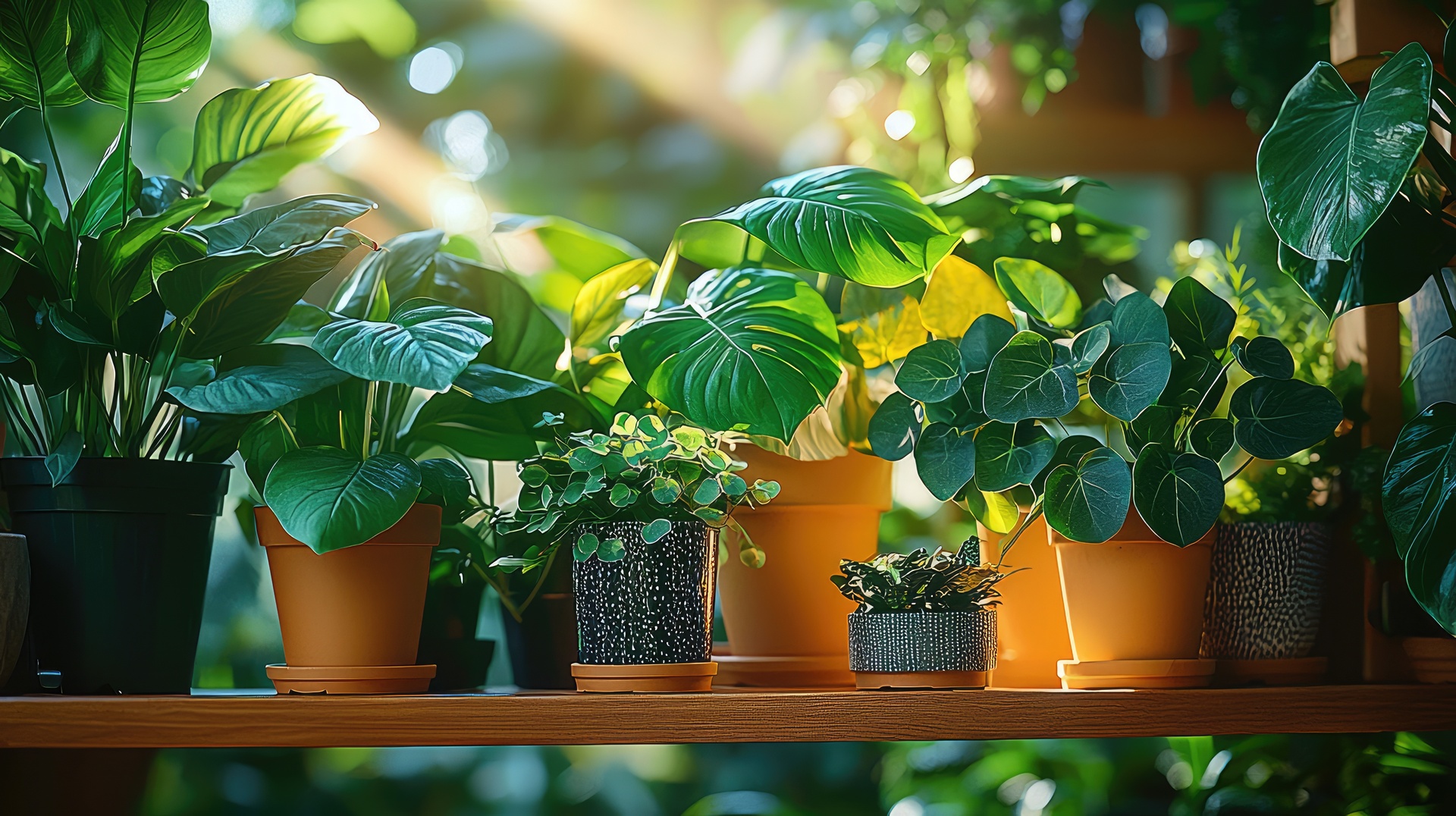
Image: Frond and Fang (CC0/Public Domain)
At Frond and Fang, our mission is to make these exotic, ancient species accessible to everyone. You should not have to be a professional botanist to enjoy the prehistoric beauty of a fern or the strange mechanics of a Venus flytrap. We focus on plants that bring a sense of wonder into your home while providing the educational support to ensure they actually stick around. These plants are survivors. They have outlasted the greatest predators to ever walk the earth. With a little bit of humidity and the right watering rhythm, they will easily outlast your latest interior design trend.
Creating a successful fern corner is about observation rather than a rigid schedule. Watch the tips of the leaves. If they turn brown and crispy, move the plant away from the window or increase the humidity. If the leaves turn yellow and the soil feels mushy, back off on the watering. Every home has its own unique micro-climate, and your 2026 plant goals should include learning the language of your green roommates. Ferns are remarkably communicative once you know what to look for. They are the lush, green anchor of a primitive garden, providing a connection to the deep past that few other houseplants can match.
Care note: This guide is for general plant care. Conditions vary by home and season. If you have pets/kids with sensitivities, use extra caution and place plants out of reach. Avoid chemicals or fertilizers unless you’re sure they’re carnivorous-plant safe.
If you ever feel overwhelmed by the needs of your exotic plants, remember that the goal is progress, not perfection. Even the most experienced collectors lose a frond now and then. The key is to keep experimenting and adjusting until you find the sweet spot in your space. We have plenty of resources on fern and moss care to help you along the way. Your indoor bog is waiting to be built, and there is no better time than now to bring a piece of the ancient world into your living room.


