Butterworts: The 'Gnat-Eating' Succulents You Never Knew You Needed
, by Brian Tant, 9 min reading time
, by Brian Tant, 9 min reading time
You might be the type of person who finds solace in the quiet geometry of a succulent collection. There is something deeply satisfying about those thick, fleshy rosettes sitting perfectly on a windowsill. Most succulent lovers eventually run into the same problem. You bring home a beautiful new Echeveria, and suddenly, you have a cloud of tiny, annoying gnats hovering around your pots. It feels like a betrayal. You wanted a peaceful indoor garden, not a fruit fly sanctuary. This is exactly where the Butterwort enters the story. These plants are the ultimate bridge between the world of dry, easy-to-manage succulents and the strange, primordial world of carnivorous plants. We like to call this the modern bog dweller lifestyle. It is about embracing the ancient, primitive beauty of plants that do more than just sit there looking pretty.
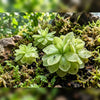
Butterworts, or Pinguicula if you want to be formal, look exactly like the succulents you already love. They grow in tight, low-profile rosettes with leaves that look soft enough to touch. If you did touch them, you would realize they are covered in a very fine, shimmering layer of sticky mucilage. In the sunlight, they look like they have been dusted with diamonds or coated in a light morning dew. This is not for show. For a fungus gnat or a stray fruit fly, that shimmer is a death sentence. While your other plants are just providing a place for pests to hang out, the Butterwort is actively clearing the air. It is nature’s most beautiful pest control.

The texture of these plants is something you have to see up close to truly appreciate. When you look at a macro shot of moss or the fine details of a carnivorous leaf, you start to see the complexity of these bog dwellers. They evolved in places where the soil was terrible. There were no nutrients to be found in the ground, so they had to look elsewhere for their dinner. They turned to the sky. Evolution is a wild thing. It took a standard leaf and turned it into a digestive organ. When a gnat lands on a Butterwort leaf, it gets stuck instantly. The plant then begins to release enzymes that break the insect down, turning that annoying pest into the fuel the plant needs to grow those stunning, orchid-like flowers.
If you are just starting your journey into this world, you might want to look at our beginner plants. Butterworts are surprisingly accessible for people who are used to standard houseplants. They do not have the intimidating, toothy maws of a Venus flytrap. They are subtle. They sit on your desk, looking like a harmless little green flower, while silently racking up a body count of every gnat that dares to fly near your coffee. It is the perfect desk plant for anyone who works in an office with a fruit fly problem. You get a conversation piece and a cleaner workspace all in one go.

One of the most fascinating things about Mexican Butterworts is their dual personality. They have a summer mode and a winter mode. During the warm months when the bugs are active, they grow their wide, sticky, carnivorous leaves. They are ready for the hunt. As the days get shorter and the air gets cooler, they enter a succulent phase. They drop their sticky leaves and grow smaller, tighter, non-carnivorous leaves that look exactly like a tiny Echeveria. They are basically two plants for the price of one. During this winter phase, they do not need to eat at all. They just want to rest and stay a bit drier than usual. It is a built-in break for the plant and for you.
Care for these plants is where people usually get nervous, but it is actually very straightforward once you know the secret. The most important rule is the water. You cannot use tap water. Most tap water is full of minerals and salts that will slowly burn the sensitive roots of a Butterwort. You need distilled water, rainwater, or reverse osmosis water. Think of them as the connoisseurs of the plant world. They want the pure stuff. Because they are bog dwellers, they like their feet to be a little damp during their active growing season. We usually suggest sitting their pot in a small tray with about half an inch of distilled water. This mimics the natural seepages and wet rock faces where they grow in the wild.
Lighting is the next big piece of the puzzle. These are not low-light plants. They want bright, indirect light to really thrive. If you give them enough light, many species will develop incredible colors. They can turn shades of pink, purple, or deep bronze. If your Butterwort stays a pale, sickly green, it is probably telling you it wants to see the sun a bit more. A bright windowsill or a dedicated grow light will make them very happy. When they are happy, they reward you with flowers that sit high above the leaves on long, delicate stems. These flowers look nothing like what you would expect from a "meat-eating" plant. They are elegant and come in shades of violet, white, and yellow.
The soil also matters. You cannot use regular potting soil from the big box store. That stuff is loaded with fertilizers that will kill a Butterwort faster than you can say Pinguicula. They need a nutrient-poor, well-draining mix. Many growers use a blend of perlite, silica sand, and maybe a little bit of peat moss or chopped sphagnum. At Frond and Fang, we love the moody, dark aesthetic of a bog display. Imagine a charcoal-colored pot filled with a gritty mineral mix, a few patches of living moss, and a vibrant pink Butterwort sitting right in the center. It looks like something from a different planet or a very old, forgotten corner of a prehistoric forest.

While we are talking about the bog dweller vibe, it is worth looking at the larger context of these environments. Places where carnivorous plants thrive are often misty, damp, and full of life that has adapted in strange ways. The Sarracenia, or pitcher plant, is another great example of this. They use deep tubes of water to trap insects. Butterworts are like the polite, sophisticated cousins of the pitcher plant. They don't need big traps. They just need their sticky leaves. Combining different types of bog plants can create a miniature ecosystem in your home that feels ancient and wild.
Many people ask if they need to feed their Butterworts. If you have gnats in your house, the answer is no. The plant will take care of itself. If your house is a pristine, bug-free zone, you can occasionally drop a dried fruit fly or a tiny speck of crushed fish food onto a leaf. It is fun to watch, but usually unnecessary. These plants are efficient. They can even trap and digest pollen that lands on their leaves. They are opportunistic survivors. They have spent millions of years figuring out how to get what they need from the environment, and they are very good at it.
Making exotic plants accessible is a big part of what we do here. We want to take the mystery and the fear out of growing things that look "difficult." A Butterwort is a great entry point because it behaves so much like a standard houseplant while offering that extra bit of carnivorous excitement. You do not need a specialized greenhouse to keep one of these alive. You just need a tray of good water and a sunny spot. Once you see your first gnat stuck to a leaf, you will be hooked. It is a very satisfying feeling to know your plant is working as hard as you are.
If you find yourself falling down the rabbit hole of strange and beautiful foliage, you might also want to check out our fern collection. Ferns and Butterworts often share that same love for humidity and specialized environments. Building a collection that mixes the soft, feathery fronds of a fern with the architectural rosettes of a Butterwort creates a visual depth that standard houseplants just cannot match. It turns a shelf into a destination.
Care note: This is general guidance for carnivorous plant care. Use only insect-safe practices and avoid fertilizers or “miracle” additives unless they’re specifically labeled safe for carnivorous plants. Standing water and high humidity can increase mold or algae; monitor and adjust as needed. If you have pets or kids, keep plants and any feeder insects out of reach.
Bringing a Butterwort into your home is more than just buying a plant. It is about adopting a piece of natural history. These rosettes have survived in some of the harshest, most nutrient-depleted places on Earth by being clever. They bring a bit of that prehistoric resilience into our modern spaces. Whether you are trying to win the war against fungus gnats or you just want something that looks incredible on your desk, the Butterwort is a top-tier choice. It is the plant you never knew you needed, but once you have one, you will wonder how you ever gardened without it.
If you ever have questions about which species might be right for your specific light levels or if you want to show off your latest bog setup, feel free to contact us. We love seeing how you integrate these primitive beauties into your modern homes. The world of carnivorous plants is vast, but the humble Pinguicula is a perfect place to start your journey as a modern bog dweller.
Brian, let me know if you want to adjust any of the "Bog Dweller" descriptions before we go live on Thursday. I think the charcoal background vibe really makes the plants pop.


