What to Feed Carnivorous Plants: A 2026 Guide for Venus Flytraps and Beyond
, by Brian Tant, 9 min reading time
, by Brian Tant, 9 min reading time
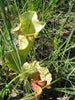
Image: USGS (CC0/Public Domain).
If you grow carnivorous plants, feeding time can feel like running a tiny restaurant for insects. The menu is small, the customers are oddly quiet, and one wrong entrée can leave your plant with a moldy trap.
The good news is that feeding carnivorous plants is simpler than it looks. Your plant gets most of its energy from light, not bugs. Insects provide extra nutrients, especially nitrogen, because these plants evolved in wet, acidic habitats where the soil is famously poor. Think of prey as a vitamin supplement, not dinner, breakfast, and three snacks.
This guide covers venus flytrap feeding, along with pitcher plants and sundews. Late summer is a useful time to review your routine because many plants are still growing and catching prey before seasonal dormancy begins.
Carnivorous plants need animal prey or, in some cases, tiny invertebrates. Small flies, fruit flies, gnats, ants, and appropriately sized crickets can work well. Dried bloodworms and other prepared foods may also work for some plants when rehydrated and offered carefully.
The prey should be small enough for the plant to digest without leaving a soggy mess behind. For a Venus flytrap, choose an insect no larger than roughly one-third of the trap. A small fruit fly is a better match than a large grasshopper. The plant is built like a snack-sized trap, not a botanical bear trap.
Outdoor plants often catch enough insects on their own. If you see prey in the traps or pitchers, you can leave the plant to handle its own catering. Indoor plants may need occasional hand-feeding, especially in rooms with screens on the windows and very few flying guests.
Strong light matters more than feeding. A plant in weak light cannot turn extra nutrients into healthy growth, no matter how enthusiastic you are with the tweezers.
Venus flytraps, or Dionaea muscipula, use hinged traps lined with trigger hairs. A moving insect touches those hairs, the trap closes, and the plant begins digestion after the trap seals around the prey.
For an indoor Venus flytrap that has not caught anything naturally, offer one small insect in one trap every two to four weeks during active growth. You do not need to feed every trap. A few insects per month for the whole plant is plenty.
Live insects usually trigger the trap on their own. If you use a dead insect, place it gently inside the trap with clean tweezers. Give the trap a light touch so the trigger hairs are stimulated, then let the plant close. The prey should fit comfortably between the trap lobes. Do not force the trap shut.
Dried insects can be useful, but rehydrate them first. A dry, oversized insect is difficult for the plant to process. The same goes for pieces of food. A tiny bit of suitable dried prey may work, while a large clump can rot before the plant finishes digesting it.
Try not to activate traps for entertainment. Each trap can only close and digest a limited number of times before it naturally ages. Your plant does not need a round of applause every time it snaps.
The Frond and Fang Venus flytrap collection is a good place to explore these snap-trap plants, while the beginner plants collection highlights species selected for newer growers.
Pitcher plants use modified leaves that form tubes, cups, or hanging pitchers. Their colors, nectar, and slippery surfaces draw insects toward the opening. Once prey falls inside, it becomes difficult to climb out.
“Sarracenia” and “Nepenthes” are both called pitcher plants, but their care is not identical. Temperate Sarracenia, also known as trumpet pitcher plants, often grow best in strong light and may enter winter dormancy. Tropical Nepenthes generally prefer warm, humid conditions and do not follow the same cool winter rest.
Most outdoor pitcher plants catch enough insects without help. Indoor plants can usually manage with a few small insects during the growing season if they are not catching prey naturally. Drop prey into the pitcher rather than placing it on the lid or rim. A small fly or tiny cricket is enough. Avoid stuffing every pitcher. The plant does not need a full buffet to stay healthy.
Keep the pitcher’s own fluid in place. For Sarracenia, rainwater or natural pitcher fluid may collect inside the tubes. Nepenthes produce digestive fluid in their pitchers, and a small amount of clean water can sometimes be appropriate if a pitcher dries out, depending on the species and growing setup. Do not use tap water as a routine refill.
Watch for the plant’s growth pattern as summer fades. A temperate pitcher plant may produce smaller leaves, slow down, or begin losing older pitchers as dormancy approaches. Taper off feeding when growth clearly slows. The plant’s winter job is resting, not digesting.
You can learn more about pitcher plant growing conditions through the Royal Horticultural Society’s carnivorous plant guide, which covers light, moisture, low-nutrient growing media, and dormancy.
Sundews, or Drosera, use sticky glandular hairs to catch prey. Their glistening droplets may look like morning dew, but they are more like a very attractive roll of flypaper.
Sundews usually prefer smaller prey than Venus flytraps. Fruit flies, fungus gnats, mosquitoes, and tiny ants are suitable choices when the plant is not catching insects by itself. A few small insects every week or two can support an indoor sundew during active growth.
Spread the food across several leaves instead of piling multiple insects onto one leaf. The plant needs time to produce enzymes and absorb nutrients. If a leaf is already curled around prey, let it finish before adding more.
A healthy sundew should maintain visible sticky droplets when its light, water, and humidity are suitable. If the “dew” disappears, feeding will not solve the problem. Check the growing conditions first. The plant may need brighter light, cleaner water, or more stable humidity.
Cape sundew, Drosera capensis, is one of the more approachable carnivorous plants for beginners. The RHS describes it as a full-sun carnivorous perennial with narrow leaves covered in glandular hairs. You can also browse Frond and Fang’s sundew collection for more options.
Do not feed meat, chicken, fish, cheese, hamburger, pet food, or kitchen scraps. These foods contain too much material for the plant to digest cleanly and can encourage bacterial growth, odors, and rot.
Skip regular houseplant fertilizer, too. Carnivorous plants grow in low-nutrient media, and fertilizer salts can damage their roots. Fertilizer poured into a pitcher can also upset the plant’s digestive environment.
Milk is not a secret growth tonic. Neither are bits of banana, deli turkey, or whatever happens to be left on your cutting board. The plant is carnivorous, not a tiny compost bin.
Avoid insects exposed to pesticides, flea treatments, or household chemicals. Those residues can harm the plant. Feeder insects from a reputable source are the safer option for indoor collections.
Water quality is part of feeding success. Use rainwater, distilled water, or reverse-osmosis water when appropriate for your species. Ordinary tap water may contain minerals that build up in the growing medium over time. The plant may appear to be “hungry” when the real problem is mineral stress.
A trap that turns black after digestion is not always a crisis. Individual traps naturally age, especially after repeated use. Remove fully dead material with clean scissors and watch the newer growth.
Repeated black traps, mushy leaves, or a sour smell can point to prey that was too large, poor airflow, excess moisture, or a trap that failed to seal. Reduce feeding and review the plant’s light and water before offering anything else.
A Venus flytrap that stays small and pale usually needs better light rather than more insects. A sundew without sticky droplets may also be struggling with light, water quality, humidity, or temperature. Pitchers that dry up can reflect a change in humidity or watering, not a lack of food.
Plants that catch prey outdoors may show no interest in your carefully selected feeder insects. That is a success, not a snub. Let the plant work with what it finds.
In August, many Venus flytraps, Sarracenia, and sundews are still actively growing. Feed only if the plant has not caught prey and looks healthy enough to use it. One small meal is better than a feeding frenzy.
Keep light bright, growing media appropriately moist, and water low in minerals. As September and October bring shorter days, watch for slower growth and dormancy cues in temperate species. Stop feeding once the plant enters dormancy. Focus on suitable temperatures, moisture, and airflow instead.
Tropical pitcher plants may continue growing indoors through fall if their conditions remain stable. Follow the plant’s growth rather than the calendar. A healthy, actively growing Nepenthes does not need the same seasonal schedule as a dormant Venus flytrap.
Care note: This is general guidance for carnivorous plant care. Use only insect-safe practices and avoid fertilizers/“miracle” additives unless they’re specifically labeled safe for carnivorous plants. Standing water and high humidity can increase mold/algae: monitor and adjust as needed. If you have pets/kids, keep plants and any feeder insects out of reach.
A little restraint goes a long way with carnivorous plants. Give them the light and water they need, offer small prey only when useful, and let them handle the rest. Your plant is not waiting for a three-course meal. It is perfectly happy with the occasional tiny snack and a sunny windowsill.


