Your Fern Is Two Plants: The Hidden Life Stage Behind Every Frond
, by Brian Tant, 9 min reading time
, by Brian Tant, 9 min reading time
Image: U.S. Forest Service (CC0/Public Domain).
You bought the leafy part of your fern, but that leafy part is only half the story.
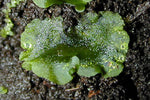
The plant on your shelf is the sporophyte, the familiar fern generation with roots, stems, and fronds. Ferns also spend part of their lives as gametophytes, tiny, free-living structures that look more like green scraps than miniature houseplants. A mature gametophyte is often flat and heart-shaped, about the size of a fingernail or smaller.
That hidden stage helps explain why ferns can be easy to buy yet surprisingly fussy to grow from spores. It also explains why a nursery fern propagated by division can settle into your home much faster than one raised from microscopic dust.
Fresh research makes the split even more interesting. A 2026 study titled “Fern Gametophytes Exhibit Distinct Patterns of Niche Exploration” found that roughly 57% of the fern species examined had gametophytes occupying climate niches their sporophytes did not occupy. In plain English, the little juvenile stage may live in conditions the leafy adult never encounters.
Your fern is not secretly two plants in its pot. It is one species with two very different plant generations, each with its own job and its own environmental preferences.
The large leafy fern sold as a Rabbit’s Foot Fern, Lisa Maidenhair Fern, or Blue Star Fern is the sporophyte. This generation grows roots and fronds, stores energy, and produces spores.
Look beneath a mature frond and you may find rows or clusters of brown dots. These structures are called sori, and they contain spore-producing cases. Fern spores are not seeds. They are tiny reproductive cells that can travel on air, water, animals, or your very enthusiastic gardening sleeve.
When a spore lands somewhere damp and suitable, it germinates into a gametophyte rather than growing straight into a leafy fern.

Image: U.S. Forest Service (CC0/Public Domain).
The gametophyte is sometimes called a prothallus. It is usually a thin, green sheet of tissue with a heart-like shape. It does not look like a sad baby version of a Boston fern. It is a different body plan with a different purpose.
This stage produces the fern’s reproductive structures. The archegonium houses the egg, while the antheridium produces sperm. Those sperm need a thin film of water to swim to an egg. Once fertilization happens, a new sporophyte begins growing from the gametophyte.
The first young frond eventually rises from that small green tissue. The gametophyte then fades as the new sporophyte develops into the fern shape you know.
That water requirement matters at home. A spore tray can look perfectly damp to you while still being too dry for successful fertilization. The gametophyte needs steady surface moisture, not a cycle of drought followed by a dramatic rescue watering.
The gametophyte also lacks the sturdy structure of the adult fern. It has no mature root system and no thick protective coating to buffer rapid changes in humidity. It lives close to the growing surface, where tiny changes in moisture, temperature, light, and airflow can make a big difference.
The 2026 niche study puts this fragility in a surprising context. Gametophytes are delicate in one sense, yet they can occupy microclimates beyond the range of the adult sporophyte. A damp rock face, mossy bank, shaded crevice, or sheltered patch of soil may support gametophytes even when a full fern could not establish there.
Moss earns a mention here because it often helps create the kind of moist, protected surface gametophytes prefer. The moss is not feeding the fern, but its texture can help hold humidity close to the ground.
Spore propagation makes you manage the entire fern life cycle from the beginning. You are not simply encouraging a cutting to root.
The process starts with mature spores, usually collected from dark brown or black sori. You sprinkle them over a clean, evenly moist growing medium and leave them uncovered because they need light to germinate. A clear lid or propagation container keeps humidity high. Bright, indirect light and temperatures around 65 to 75°F suit many indoor fern species.
After two to eight weeks, the first growth may look like a thin green film. That film is not algae by default, and it is not a failed fern. It is the gametophyte generation.
The green mat must stay moist while the reproductive structures develop. Water allows sperm to move between nearby gametophytes. Contamination creates another challenge because warm, damp, enclosed containers also make excellent homes for mold. Clean containers, sterile or pasteurized growing media, and gentle ventilation can improve your odds.
Tiny sporophytes may appear two to six months after sowing, depending on the species and growing conditions. They still need careful treatment. Keep humidity high at first, then gradually open the container over several weeks as the young plants develop roots and multiple fronds. Many spore-grown ferns need a year or two before they become sturdy, independent plants.
The Iowa State University guide to growing ferns from spores gives a useful overview of this timeline. The U.S. Forest Service fern reproduction guide also shows what gametophytes look like in real life, which is helpful when your propagation tray appears to contain nothing but green fuzz.
A divided nursery fern skips the gametophyte stage.
When a fern is divided, the grower separates an existing sporophyte into sections. Each section keeps a portion of the rhizome, roots, and growing points. It may need time to recover, but it already has the equipment required to make fronds.
That shortcut is why a divided fern can start behaving like a houseplant almost immediately. You still need to provide the right light, moisture, and humidity, but you are caring for an established leafy generation rather than waiting for fertilization to happen inside a covered tray.
The difference can be dramatic. A division may produce fresh fronds within a growing season. A spore-grown fern may spend months as a nearly invisible gametophyte before the first true frond appears.
Neither method is better in every situation. Division gives you a reliable head start and preserves the traits of the parent plant. Growing from spores lets you witness one of the most unusual life cycles in the plant world. It also gives you a closer look at how much work happens before a fern earns its first recognizable frond.
October brings shorter days, lower sun angles, and indoor air that may dry out as heating systems switch on. Your mature fern will notice the change even if your thermostat says the room feels comfortable.
Move the plant closer to a bright window if the light has weakened, but keep fronds away from cold glass, drafts, and heating vents. A Gold Boston Fern, for example, prefers bright, indirect light and consistently moist soil. A Blue Star Fern tolerates a little more drying and lower humidity, while a Lisa Maidenhair Fern usually reacts faster when indoor air becomes dry.
Watch the potting mix instead of watering on a fixed summer schedule. Ferns use water more slowly as growth slows, so soaking the pot as often as you did in July can leave the roots sitting in wet soil. Keep the mix evenly moist, not waterlogged, and make sure the container drains freely.
Humidity helps, but stagnant dampness creates its own problems. Group plants, use a humidifier, or place a fern in a naturally humid room with suitable light. Leave enough space around the foliage for air to move. Brown tips often point to dry air or inconsistent moisture, while widespread yellowing and a sour-smelling pot can signal excess water.
A young sporophyte from spores needs more protection than a mature nursery plant. Keep it away from sudden drafts and let it transition out of its covered environment gradually. The juvenile stage is not a broken adult waiting to get bigger. It is a functioning life stage with a different set of needs.
Care note: This guide is for general plant care. Conditions vary by home and season. If you have pets/kids with sensitivities, use extra caution and place plants out of reach. Avoid chemicals or fertilizers unless you’re sure they’re carnivorous-plant safe.
The gametophyte is more than a curious prelude to the leafy fern. It is part of a reproductive system that reaches deep into plant evolution.
A June 2026 study in Nature Communications, “The post-fertilization archegonium gene network of seedless plants contributed to the origin of seeds,” found that gene networks active in the fern archegonium overlap with networks involved in ovule and seed development in flowering plants.
Seeds did not appear from nowhere. Evolution often works by reusing old parts in new places. In this case, ancient reproductive programs associated with fern relatives may have been repurposed as seed plants evolved protected reproductive structures.
Your fern’s tiny gametophyte will not turn into a seed. The connection is evolutionary, not something you will observe in a pot. It does show why this easily overlooked stage deserves respect. That small green heart carries a piece of the developmental history that helped shape much of the plant world.
The next time a new frond unfurls, enjoy the leafy display. Then remember that the fern has already lived another life before it ever reached your shelf. Understanding that hidden stage makes spore propagation less mysterious, fall care more practical, and every new frond a little more impressive.


