
The Heat Comes On: Keeping Ferns, Moss, and Carnivorous Plants Happy Indoors This October
, by Brian Tant, 9 min reading time
, by Brian Tant, 9 min reading time
October brings crisp mornings, earlier sunsets, and the annual moment when someone turns on the heat and every humidity-loving plant quietly files a complaint.
Indoor heating changes more than the temperature around your plants. As warm air circulates, relative humidity often drops. The air may feel comfortable to you, but it can become surprisingly dry for plants adapted to damp forest floors, misty habitats, or boggy soil. Ferns show it in their fronds. Moss loses its springy green color. Tropical carnivorous plants stop making the structures that make them so fascinating.
The good news is that you can usually correct the problem before it becomes serious. Start by watching the plants instead of following a rigid calendar. Your plants will tell you when October has changed the room.
Heated air pulls moisture from the spaces around leaves and growing media. A plant may still sit in damp soil while losing water quickly through its foliage. Air movement from a vent, radiator, or fan speeds up that loss.
October also brings a second shift: less light. Day length shortens, and window light loses intensity as the sun sits lower in the sky. That matters because light powers photosynthesis, while temperature and moisture influence how quickly a plant uses and loses water. When light drops, growth often slows. Watering habits need to change with it.
Move plants away from heat vents, radiators, and drafty doors first. A bright windowsill can work well, but keep leaves from touching cold glass at night. A small digital hygrometer near your plants can reveal what your room is actually doing. Guessing is less useful than a quick look at the numbers.
Ferns are often the first plants to object to dry indoor air. Watch for frond tips turning crisp and brown, brown edges spreading along delicate leaflets, or new fronds that unfurl smaller than usual. Maidenhair ferns tend to make their feelings known quickly, while tougher choices such as a rabbit’s foot fern or blue star fern may give you more time.
Brown tips do not always mean the plant needs more water in the pot. The soil can be moist while the air remains too dry. Keep the growing medium evenly moist according to the species, but do not leave a fern sitting in water. Poor drainage can damage roots just as surely as dry air damages fronds.
Grouping ferns together creates a small microclimate. Place several plants on a shelf with room for air to move gently between them. Their combined moisture loss can raise humidity around the group. A Gold Boston fern can make a particularly useful anchor for a leafy display, while a smaller fern can fill the sheltered space beneath it.
A pebble tray may help modestly. Fill a shallow tray with pebbles and water, keeping the pots above the water line. The tray should not turn into a tiny bog beneath every pot. It adds a little moisture near the plants, but it will not transform a dry room into a greenhouse.
Moss has no deep root system to fall back on when conditions turn dry. In a heated home, it may brown, lose its cushiony texture, or pull away from the glass inside a container. The surface can look dry even when the center remains damp, so check gently rather than watering on autopilot.
Moss usually performs best with bright, indirect light and steady moisture. A terrarium, covered dish, or glass cloche can slow evaporation and create a more stable environment. Leave some ventilation or open the container periodically if condensation stays heavy. Constantly sealed, wet conditions can encourage mold or algae, which is not the lush forest-floor look anyone ordered.

Keep moss away from direct heat and strong afternoon sun. Glass can intensify heat quickly, especially when the container sits close to a window. Use distilled, rain, or reverse-osmosis water if the moss is part of a carnivorous plant setup. Minerals from tap water can collect over time and leave the moss looking tired.
You can explore Frond and Fang’s moss collection for plants suited to miniature displays and humid indoor spaces.
Sundews offer one of the clearest humidity signals in the plant world. Healthy leaves often carry glistening droplets of mucilage, giving the plant its dewy appearance. When the air dries, the sundew may lose that shine. New leaves can emerge with fewer droplets, and older leaves may look flat or less sticky.
Low humidity is one possible cause, but check light and water quality too. Sundews need strong light to grow well, and carnivorous plants are sensitive to mineral-heavy water. Use distilled, rain, or reverse-osmosis water. Keep the growing medium appropriately moist, following the needs of your species.
A small sundew can do well inside a terrarium or under a glass cloche, provided the setup receives enough light and gets regular ventilation. Grouping it with moss can create a useful humid pocket, but do not crowd the leaves or block airflow completely. If the plant sits in stagnant, overly wet air, mold can become the next problem.
Sundews are excellent carnivorous plants for beginners, especially when you learn to treat water quality and light as part of the same care routine.
Nepenthes, often called tropical pitcher plants, respond dramatically to a sudden drop in humidity. Existing pitchers may dry along the rim or collapse early. New pitchers may stop developing altogether. The plant can continue producing leaves while refusing to make pitchers, which feels a little like a restaurant serving plates with no food on them.
Dry heat is a common reason, but inconsistent light, cold drafts, and a recent move can also affect pitcher production. Keep Nepenthes warm and away from heating vents. Give them bright, indirect light, and use a humidifier if the room regularly becomes dry.
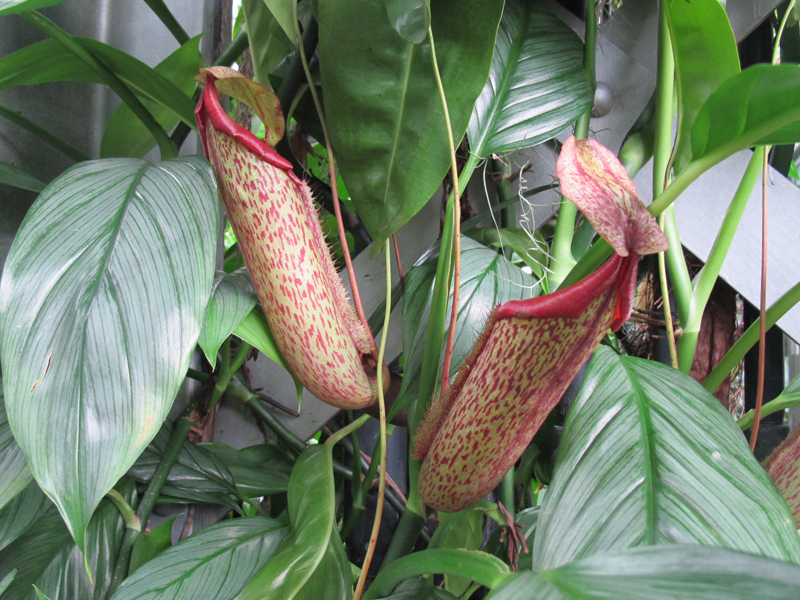
A room humidifier usually provides the most dependable improvement. Aim the output into the room, not directly at the leaves. Clean the unit often according to the manufacturer’s instructions. A humidifier that grows its own science experiment is not helping your plants.
Nepenthes prefer evenly moist, airy media rather than permanently waterlogged roots. Let excess water drain, then check the medium regularly as the heating season progresses. Do not assume the same watering interval will work from September through January. The plant may lose moisture faster because of dry air, yet use water more slowly because October light has weakened. Check the pot instead of trusting the calendar.
Venus flytraps often slow as October light fades. They may produce smaller leaves, fewer traps, or less dramatic growth. For a temperate plant, this can be a normal seasonal response rather than a sign of failure.
Venus flytrap care depends on recognizing the difference between a temperate species and a tropical one. Venus flytraps need a cool winter dormancy, and many plants enter that rest as day length shortens. American pitcher plants and some temperate sundews may also need cooler conditions. Do not force active growth with fertilizer or a hot, dim room.

Give dormant temperate species appropriate light and cooler temperatures while keeping the growing medium from drying completely. Reduce watering as growth slows, and follow the care instructions for the specific plant. A cool, frost-free location may work better than a warm shelf above a radiator. Tropical sundews and Nepenthes have different needs, so do not place every carnivorous plant on the same winter schedule.
The Frond and Fang Venus flytrap winter guide offers a useful seasonal reference. You can also compare species in the carnivorous plants collection before deciding which plants belong together.
Misting can make leaves look refreshed for a short time, but the effect disappears quickly in heated air. It does not raise whole-room humidity for long, and it does not replace proper watering. Frequent misting can also leave foliage wet for too long, especially in cool rooms with limited airflow.
Use misting as a brief supplement, not your main humidity plan. Group plants, use a pebble tray, add a terrarium or cloche where appropriate, and consider a small room humidifier. Place a hygrometer nearby so you can see whether your changes are working.
Make watering adjustments gradually. Ferns should remain evenly moist without sitting in runoff. Moss should stay damp rather than submerged. Tropical carnivorous plants need mineral-free water and species-appropriate moisture. Temperate carnivorous plants often need less water during dormancy, but they should not become bone dry.
Care note: This guide is for general plant care. Conditions vary by home and season. If you have pets/kids with sensitivities, use extra caution and place plants out of reach. Avoid chemicals or fertilizers unless you’re sure they’re carnivorous-plant safe.
The best heating-season setup is not necessarily the most complicated one. Move plants away from direct heat, gather humidity lovers into a group, protect small mosses and sundews with a suitable glass enclosure, and use a humidifier when the room needs more consistent support.
Keep watching the leaves, fronds, moss surface, dew, pitchers, and growth rate. Brown fern tips, browning moss, missing sundew droplets, drying Nepenthes pitchers, and slowing Venus flytraps each tell a slightly different story. Once you learn the signals, October becomes less of a seasonal surprise and more of a manageable change in routine.
Your plants do not need a tropical vacation. They need a better seat in the room.


