
Are Carnivorous Plants for Beginners Too Hard? 5 Easy Species That Prove You Wrong
, by Brian Tant, 9 min reading time
, by Brian Tant, 9 min reading time
If you're here, you're probably wondering whether jumping into the world of carnivorous plants is going to be a total disaster waiting to happen. Maybe you've heard horror stories about finicky feeding schedules, impossible humidity requirements, or plants that drop dead if you even look at them wrong. Here's the thing – most of that is complete nonsense.
The truth? Carnivorous plants have gotten a bad rap that they absolutely don't deserve. Sure, some species are divas that require expert-level coddling, but plenty of others are surprisingly chill and forgiving. In fact, some of the most iconic carnivorous plants are actually easier to keep alive than that fiddle leaf fig that's been giving you grief for months.
Let's bust this myth wide open and talk about five carnivorous plant species that are so beginner-friendly, they'll make you wonder why you waited so long to start your collection.
The whole "carnivorous plants are impossible" thing mostly comes from people overthinking the process. When you see a plant that literally eats bugs, your brain immediately jumps to "this must be super complicated." But here's what's actually happening – these plants evolved to survive in nutrient-poor environments where other plants struggle. They're not delicate hothouse flowers; they're scrappy survivors.
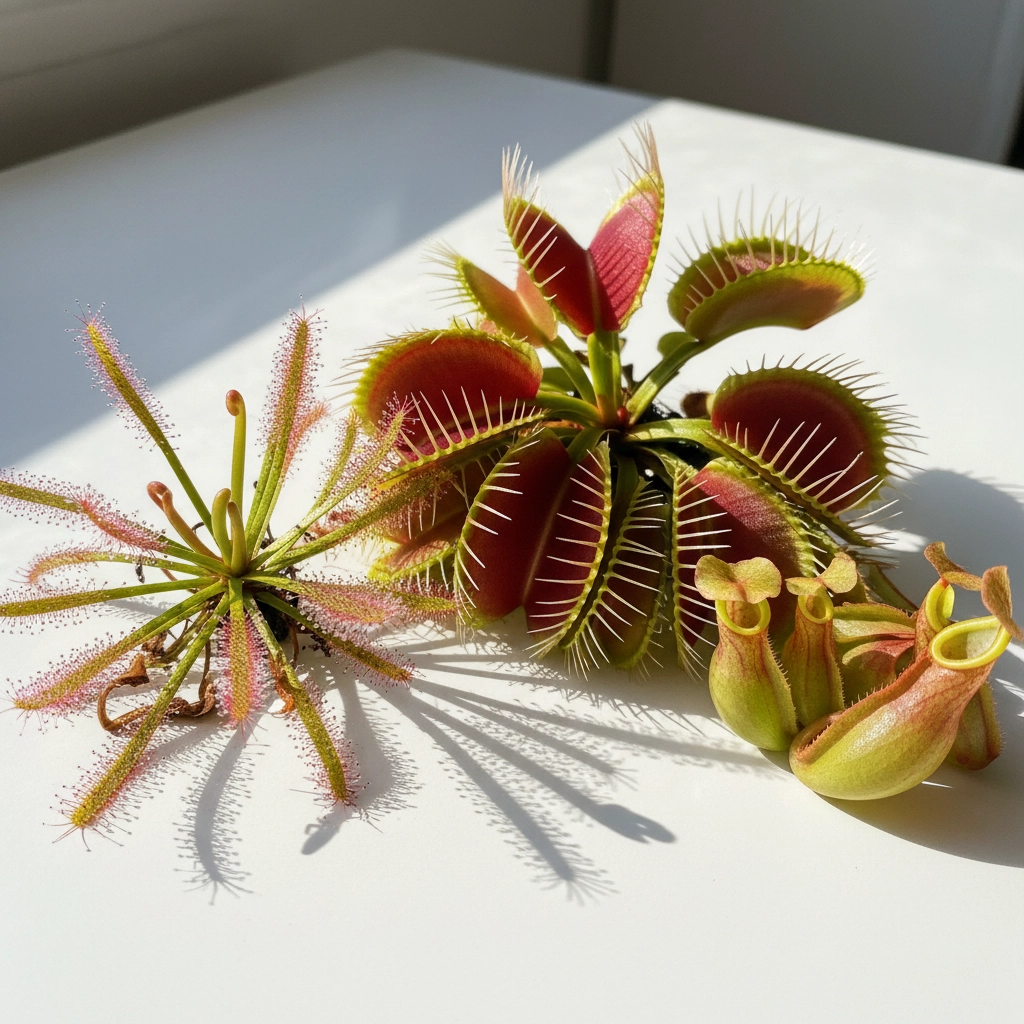
The feeding aspect that freaks everyone out? Most of the time, your plants will catch their own food just fine. You don't need to become a professional fly wrangler or maintain a cricket farm in your basement. A few gnats here and there, maybe an occasional dead fly dropped into a pitcher – that's honestly plenty for most species.
The real secret is that carnivorous plants want to live just as much as any other plant. Give them the right basic conditions, and they'll do most of the heavy lifting themselves. It's not about perfection; it's about understanding what they actually need versus what plant forums make you think they need.
Let's start with the obvious choice – the Venus flytrap is basically the gateway drug of carnivorous plants. Everyone knows what it looks like, everyone wants to see those traps snap shut, and surprisingly, everyone can actually grow one successfully.
Here's why Venus flytraps are perfect for beginners: they tell you exactly what they need. Trap not closing? Probably needs more light. Leaves turning black? You're likely overwatering or using the wrong water. Plant going dormant in winter? That's totally normal and actually healthy.
The B52 variety is particularly robust, with larger traps that are more forgiving if you accidentally trigger them while admiring your plant. And if you want something with a little more visual punch, the Red Dragon variety adds some serious color to your collection.
Venus flytraps need three main things: bright light (6+ hours of direct sun or strong grow lights), distilled water keeping the soil consistently moist, and a winter dormancy period where temperatures drop below 50°F for a few months. That's it. No complex feeding schedules, no daily misting, no specialized terrarium setup required.
If Venus flytraps are the gateway drug, then Cape sundews are the plant equivalent of a golden retriever – friendly, adaptable, and almost impossible to kill once established.
These South African natives are covered in tiny tentacles that glisten with sticky droplets, earning them the nickname "nature's flypaper." Watching small insects get caught and slowly digested is weirdly mesmerizing, and unlike Venus flytraps, there's no refractory period – the tentacles are always ready for action.
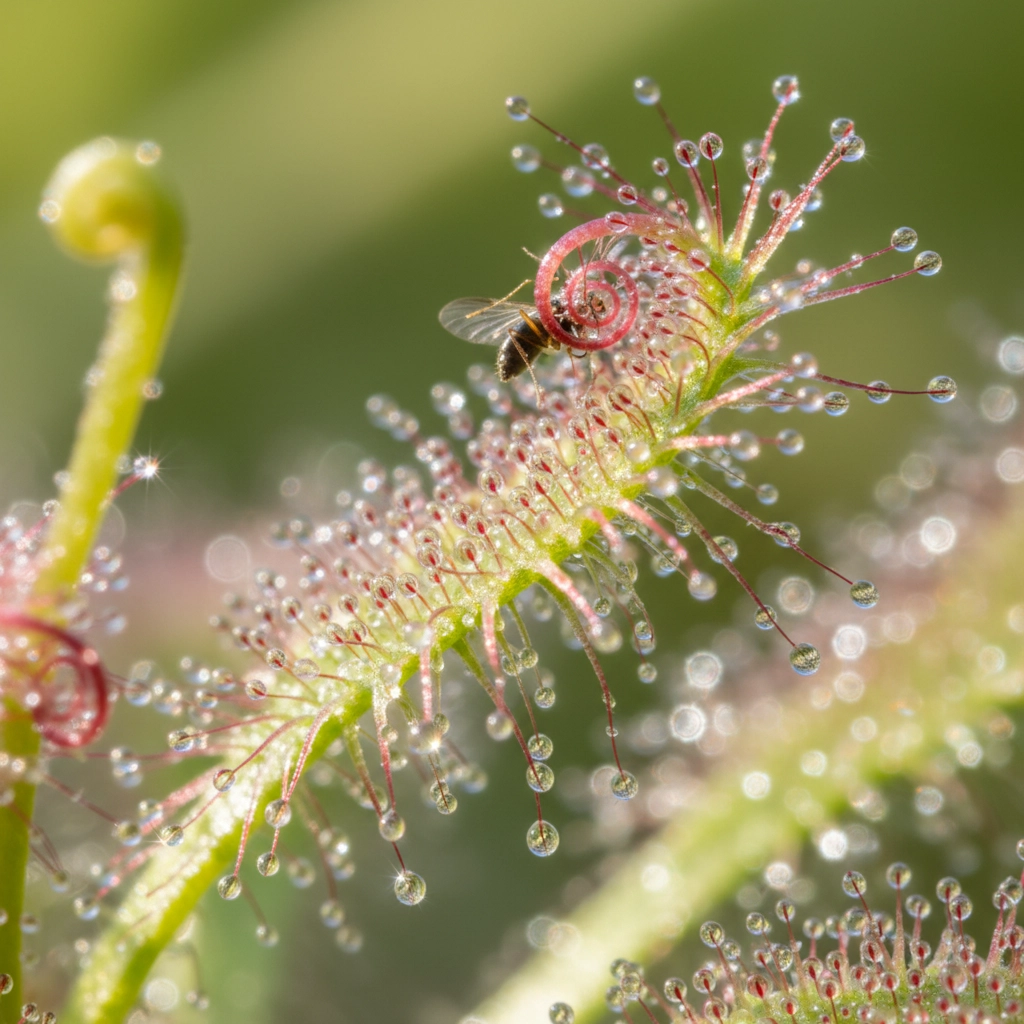
Cape sundews are incredibly forgiving about growing conditions. They'll tolerate a wider range of light levels than most carnivorous plants, though they definitely prefer bright conditions. They're also less picky about dormancy – while they may slow down in winter, they don't require the strict cold treatment that Venus flytraps need.
The Alba variety is particularly striking with its pale tentacles, creating an almost ethereal appearance that looks amazing in photos. Plus, Cape sundews self-pollinate and produce tons of seeds, so you'll likely end up with baby plants popping up all over the place.
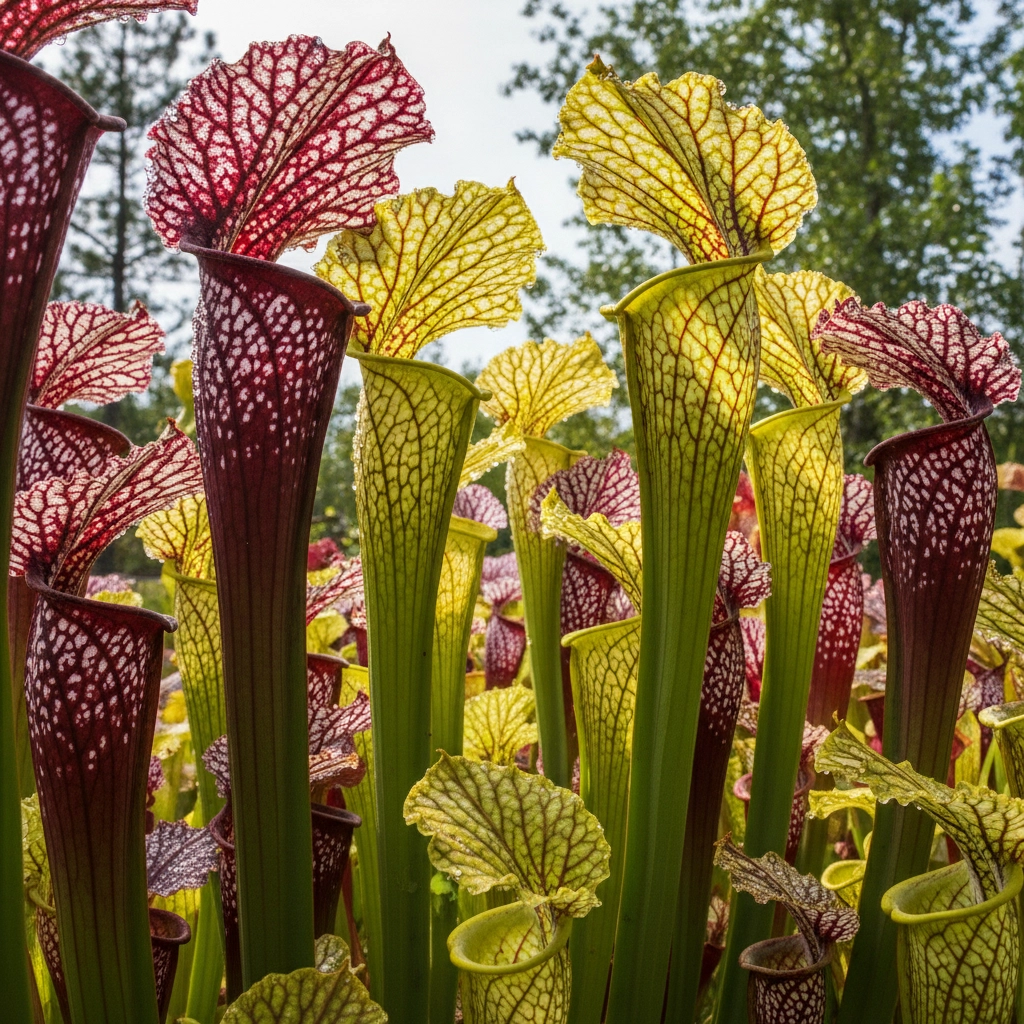
American pitcher plants, also called trumpet pitchers, are the strong, silent types of the carnivorous plant world. No moving parts, no complex mechanisms – just beautifully designed pitfall traps that work 24/7 without any input from you.
These plants are incredibly efficient hunters. The combination of attractive colors, sweet nectar, and slippery walls creates a perfect insect trap that often outperforms more "active" carnivorous plants. You'll regularly find the pitchers packed with flies, wasps, and other insects that wandered in and couldn't find their way back out.
From a care perspective, Sarracenias are remarkably low-maintenance. They want the same basic conditions as Venus flytraps – bright light, distilled water, and winter dormancy – but they're generally more tolerant of mistakes. Forgot to water for a few days? They'll probably be fine. Light levels not quite perfect? They'll adapt.
The visual impact is also incredible. A mature Sarracenia can produce pitchers over a foot tall with stunning colors and patterns. They're architectural plants that look like they belong in a modern art installation, not your windowsill.
Here's where things get interesting for apartment dwellers and anyone without access to outdoor growing space. Mexican butterworts are the houseplant-friendly option that breaks all the "rules" about carnivorous plant care.
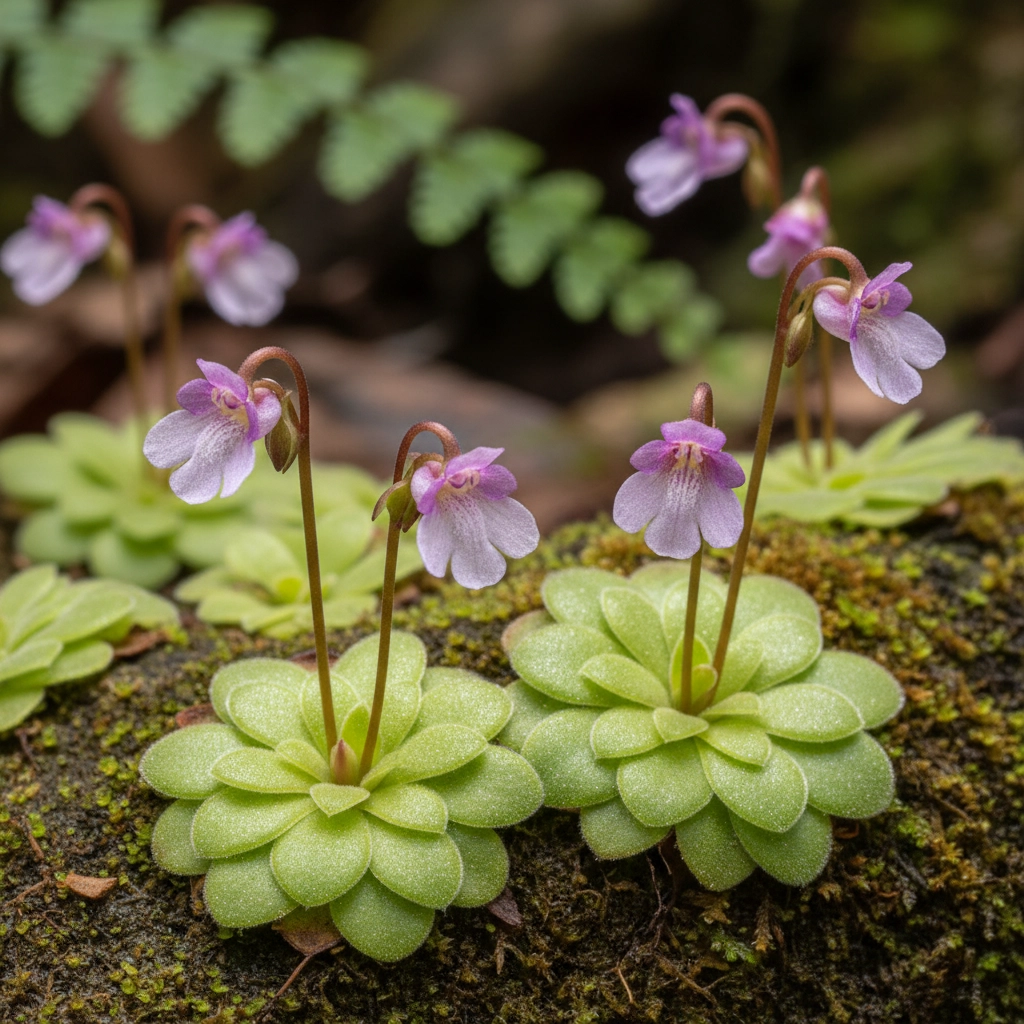
Unlike their temperate cousins, Mexican Pinguicula species don't need dormancy, can handle lower humidity, and actually prefer the bright indirect light that works well indoors. Their flat, greasy-looking leaves might not seem impressive at first, but they're incredibly effective at catching small flying insects like gnats and fruit flies.
The bonus with butterworts is the flowers – many species produce absolutely gorgeous blooms that look like tiny orchids in shades of purple, pink, and white. You're getting both a carnivorous plant and a flowering houseplant in one package.
Mexican butterworts also have a unique seasonal cycle where they form tight rosettes of succulent-like leaves during their dry season, then return to their carnivorous form when conditions improve. This gives them built-in flexibility that makes them incredibly resilient to changing conditions.
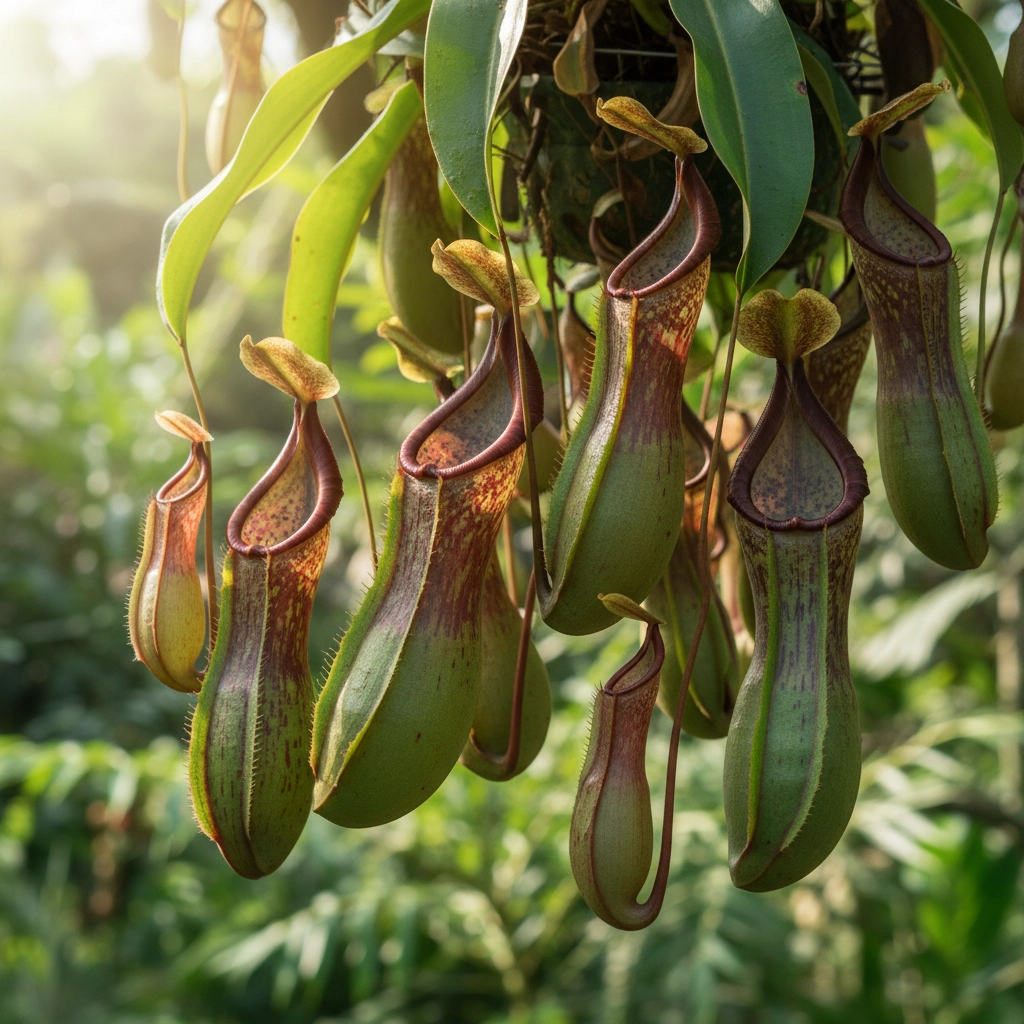
If you want to go big and tropical, Nepenthes ventrata is your best bet. This hybrid between two Southeast Asian species combines the best traits of both parents – vigorous growth, large pitchers, and remarkable tolerance for less-than-perfect conditions.
N. ventrata can handle normal household humidity levels (though it appreciates a bit extra), doesn't need dormancy, and will happily climb a moss pole or trellis if you let it. The pitchers can get impressively large – we're talking several inches long – and they have a classic pitcher plant look that screams "exotic."
The care requirements are refreshingly straightforward for a tropical species. Bright indirect light, consistent moisture, and occasional feeding with liquid fertilizer at quarter strength will keep these plants happy. Unlike some Nepenthes species that demand precise temperature swings or extreme humidity, ventrata just wants to grow.
Here's the thing – successful carnivorous plant care comes down to understanding a few non-negotiable rules and then relaxing about everything else.
Water is everything. Use distilled, reverse osmosis, or rainwater only. Tap water will slowly poison these plants with mineral buildup. Keep the soil consistently moist but not waterlogged – think wrung-out sponge, not swamp.
Light matters. These plants evolved in full sun or bright bog conditions. A south-facing window is your friend, or invest in a decent LED grow light if natural light is limited. Six hours of bright light is the minimum; more is usually better.
Soil should be poor. Forget everything you know about houseplant soil. Carnivorous plants want a 50/50 mix of sphagnum peat moss and perlite or sand. No fertilizer, no compost, no "plant food" – they get their nutrients from insects.
Dormancy is real (for temperate species). Venus flytraps and American pitcher plants need a cold winter period. Don't fight it; embrace it. Move them to an unheated garage, basement, or refrigerator for 3-4 months when temperatures consistently drop below 50°F.
Feeding is optional. Seriously. If your plants are catching their own food, don't interfere. If you want to supplement, a dead fly or small cricket every few weeks is plenty. Don't use hamburger, don't use fertilizer, and definitely don't trigger Venus flytrap traps just for fun.
The carnivorous plant community loves to complicate things with precise pH measurements, detailed feeding schedules, and complex terrarium setups. But here's what decades of successful growers will tell you – most of that stuff is optional optimization, not requirements.
Your first carnivorous plant doesn't need to be perfect. It needs to be alive, growing, and teaching you what these amazing plants actually want. Start with one of these five beginner-friendly species, give it the basic care requirements, and watch what happens.
You'll probably discover that carnivorous plants aren't the impossible divas you expected. They're more like that friend who seems high-maintenance from the outside but is actually pretty chill once you get to know them. They have specific needs, sure, but those needs are learnable and manageable.
The real magic happens when you realize you're successfully growing plants that literally eat animals. There's something deeply satisfying about watching a Venus flytrap snap shut on a fly, or discovering a pitcher plant full of captured insects. It connects you to a wilder, stranger side of the plant world that most people never experience.
Plus, once you master one species, branching out becomes much easier. The basic care principles carry over, and you'll develop the confidence to try more challenging varieties. Before you know it, you'll be the person giving advice to nervous beginners who think carnivorous plants are too hard.
If you've been hesitating about starting your carnivorous plant journey, stop overthinking it. Pick one of these five species, get the basics right, and prepare to be amazed by how rewarding and manageable these incredible plants can be. For more detailed care tips, check out our comprehensive beginner's guide and winter care recommendations for keeping your Venus flytrap healthy year-round.
Trust us – your future self will thank you for taking the plunge.


