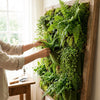
How to Create Living Wall Art with Ferns in 5 Minutes (No Green Thumb Required)
, by Brian Tant, 7 min reading time
, by Brian Tant, 7 min reading time
Let me be completely honest with you right upfront: despite what the title promises, you can't actually create finished living wall art with ferns in five minutes. But here's what you can do in that time: set up everything you need for the most beginner-friendly approach to fern wall art that exists. Think of those five minutes as your launch pad into creating something genuinely stunning for your walls.
The magic happens when you realize that wall art doesn't always mean mounting a living plant directly onto your wall. Sometimes the most striking displays come from strategic placement of the right ferns in the right spots, creating the illusion of living artwork without the complexity of actual wall mounting.
Before we dive into the actual process, let's talk about what most tutorials won't tell you. Those gorgeous staghorn ferns mounted on reclaimed wood? They're absolutely beautiful, but they require careful preparation, proper mounting hardware, and a solid understanding of the plant's needs. The pressed fern displays you see on Pinterest? Lovely, but they need about a week of drying time before you can even think about framing them.
What we're going for here is something different: a way to create the visual impact of living wall art using healthy, thriving ferns that you can actually keep alive. The secret lies in understanding how ferns naturally want to grow and working with that instead of against it.
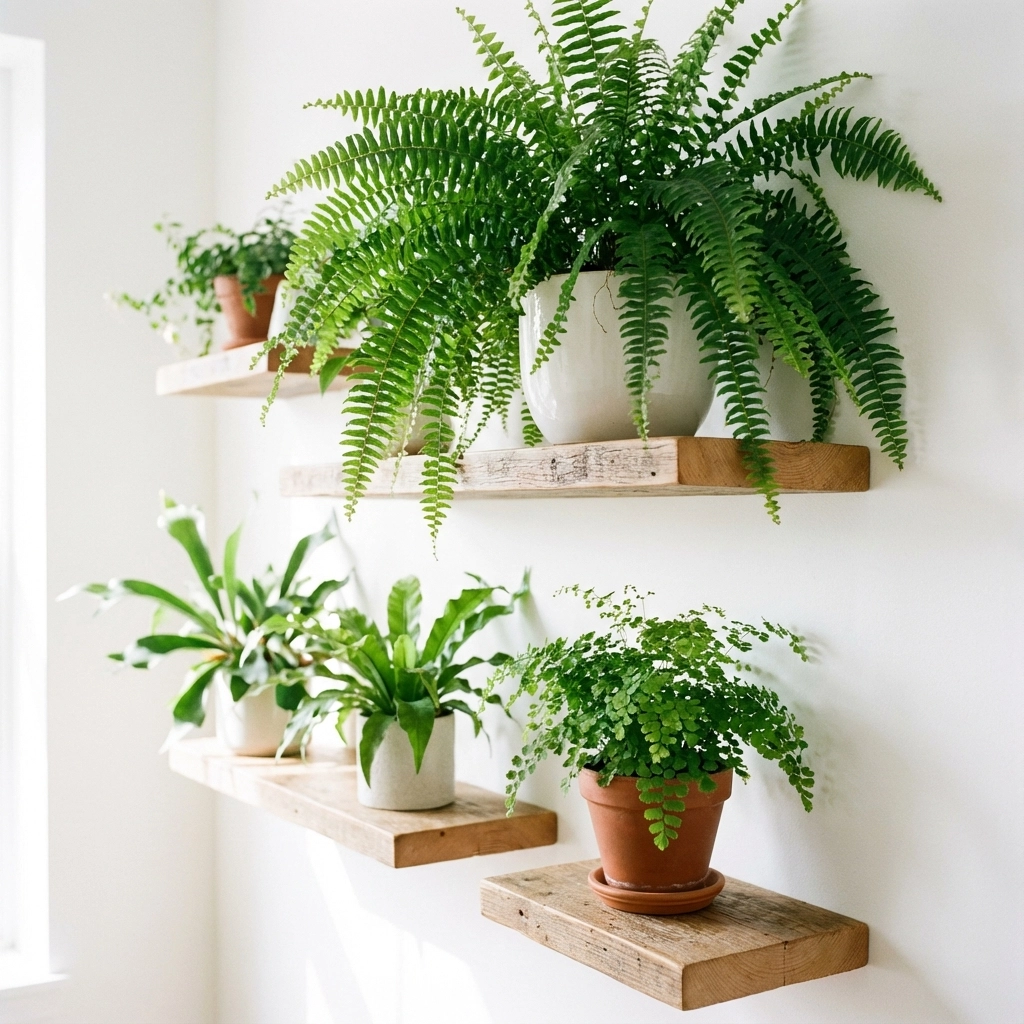
Here's what you can accomplish in five minutes: selecting the right fern, choosing the perfect container, and positioning everything for maximum visual impact. The key is starting with a fern that naturally creates that cascading, wall-art effect without any special mounting required.
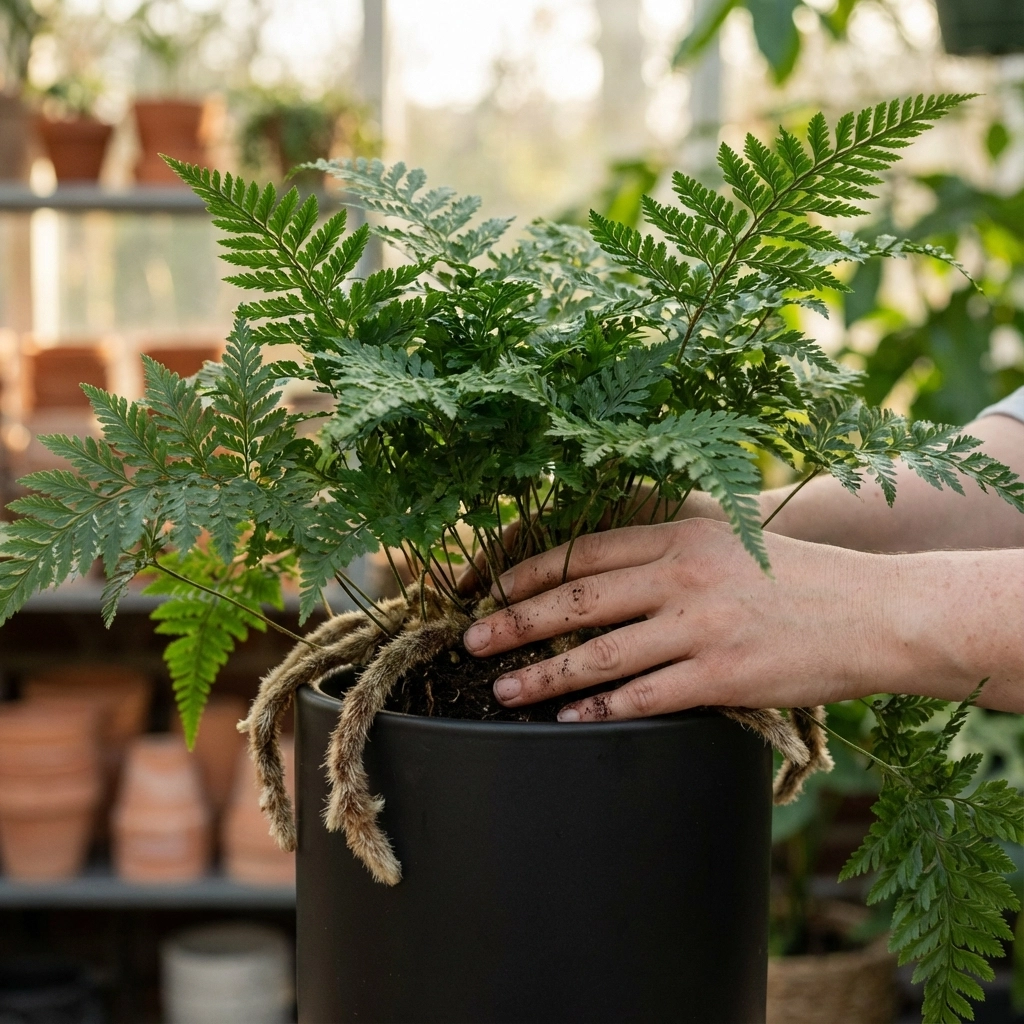
Your best bet is going with something like a Boston Fern or a Rabbit's Foot Fern. These varieties naturally develop that flowing, architectural look that makes people stop and stare. The Boston fern creates those gorgeous arching fronds that seem to pour down from wherever you place them, while the Rabbit's Foot develops those fuzzy rhizomes that add an almost sculptural element to your display.
During your five-minute setup, you're essentially playing interior designer. Find a wall-mounted shelf, a floating bracket, or even a tall plant stand positioned against the wall. The goal is to create the impression that your fern is growing directly from the wall itself, even though it's sitting comfortably in its own container.
Ferns have been around for about 400 million years, which means they've figured out a thing or two about survival. They're not dramatic like your average houseplant: no sudden leaf drops or mysterious wilting episodes. They just quietly do their thing, growing steadily and creating more beauty as time passes.
The trick to successful fern wall art is working with their preferences instead of fighting them. Most ferns prefer indirect light, consistent moisture, and good air circulation. This actually makes them perfect for wall displays because you're not trying to force them into unnatural positions or lighting conditions.
When you're setting up your five-minute display, think about where the fern will be happiest long-term. A spot near a north-facing window or a location that gets bright, filtered light throughout the day works perfectly. You want your fern to thrive in its new position, not just survive there.
Here's where most people go wrong with fern displays: they choose containers based on looks alone, forgetting that ferns have specific drainage needs. Your container choice can make or break the entire project, both visually and practically.
For wall art effect, you want something that complements the fern without overwhelming it. A simple ceramic pot in white, terracotta, or matte black creates that clean, gallery-like appearance that makes the fern itself the star. Hanging planters work brilliantly for this approach, especially macrame holders that add texture without competing with the plant.
The drainage situation is non-negotiable. Ferns hate sitting in water, but they also don't want to completely dry out. A container with drainage holes and a saucer system gives you the best of both worlds. During your five-minute setup, make sure whatever container you choose has proper drainage or plan to add a layer of gravel at the bottom if you're working with a decorative pot without holes.
The difference between a single plant on a shelf and actual wall art comes down to creating visual depth and interest. This is where you can get creative during your setup time, arranging elements that enhance the overall composition.
Consider adding a Maidenhair Fern as a companion piece if you have space. The delicate, almost translucent fronds create beautiful contrast against bolder ferns, and the different textures add sophisticated layering to your display. Position the larger fern slightly higher and the Maidenhair lower to create a natural cascade effect.
Backdrop elements can enhance the wall art feeling without adding complexity. A simple piece of reclaimed wood, a textured wallpaper accent, or even a painted circle behind your fern display instantly elevates the entire arrangement from "plant on shelf" to "intentional design element."
Once your five-minute setup is complete, the real magic begins. Ferns are steady growers, meaning you'll see gradual changes over weeks and months rather than dramatic transformations overnight. This is actually perfect for wall art because the display keeps evolving and improving with time.
Ribbon Ferns are particularly satisfying for this approach because they develop those distinctive strap-like fronds that create strong architectural lines. As they mature, they develop a sculptural quality that rivals any piece of modern art you could hang on your wall.
The beauty of this approach is that your wall art gets better with age. Unlike static artwork, your fern display becomes more impressive as the plants fill out and develop their characteristic shapes. The initial five-minute investment grows into something truly spectacular over time.
Keeping your fern wall art thriving doesn't require advanced horticultural knowledge, just consistency with a few basic practices. The key is developing a routine that becomes second nature rather than a chore.
Water when the top inch of soil feels dry to the touch, but don't wait until the soil is completely dried out. Ferns prefer consistent moisture without being soggy. During your weekly plant check, feel the soil with your finger rather than relying on visual cues alone.
Humidity makes a huge difference in how lush and healthy your ferns look. If you're dealing with dry indoor air, especially during winter months, a simple humidity tray filled with pebbles and water positioned near your display works wonders. You can also group your ferns together to create their own little microclimate with higher humidity.
While your initial setup takes just minutes, the most rewarding part of fern wall art is watching it develop over time. Ferns have this wonderful way of gradually filling their space, creating fuller, more dramatic displays as they mature.
Lemon Button Ferns are particularly good for this long-term approach because they develop dense, compact growth that creates interesting textural contrasts in your display. Their small, round leaflets add a different visual element compared to the larger, more dramatic fronds of other fern varieties.
The goal isn't to create something perfect immediately, but to establish something beautiful that will continue improving. Your five-minute setup is just the beginning of a display that will keep getting better for years to come.
This approach to fern wall art acknowledges that the best displays aren't rushed: they're thoughtfully started and allowed to develop naturally. Those five minutes you spend on initial setup create the foundation for something that will bring you satisfaction every time you look at it, growing more beautiful as time passes.


