The Ritual of the Fern: Slow Growth in a High-Speed World
, by Brian Tant, 10 min reading time
, by Brian Tant, 10 min reading time
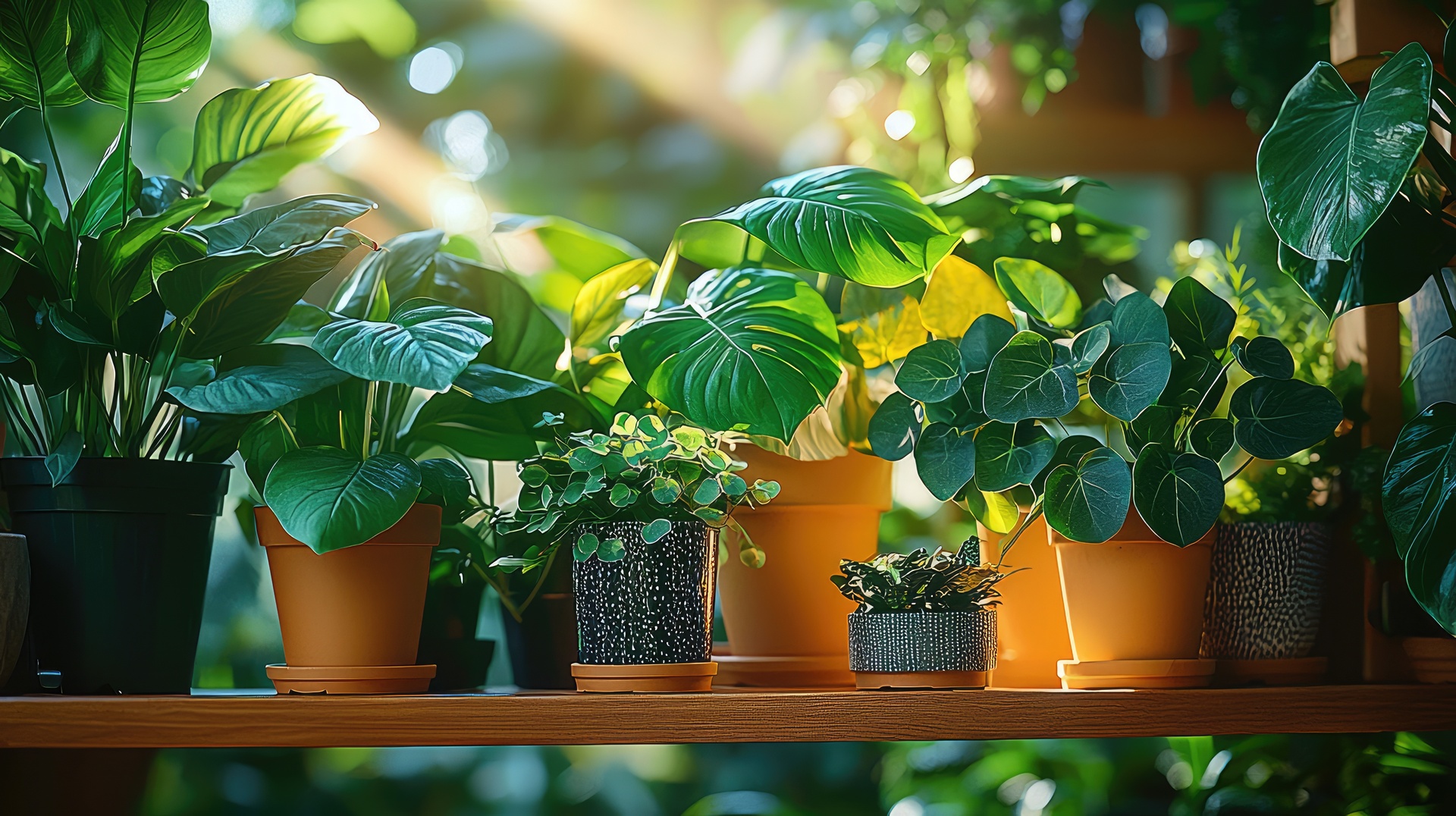
There's something quietly radical about watching a fern frond unfurl. It takes days, sometimes weeks, and there's no progress bar. No notifications. Just you, the plant, and the slow-motion architecture of a leaf becoming itself. If you're reading this in 2026, chances are you've already felt the pull toward something that doesn't demand your immediate response: something that rewards patience instead of speed.
Ferns are having a moment, but not because they're trendy. They're having a moment because people are tired. Tired of refresh cycles and endless feeds and the low-grade hum of being perpetually online. A fern asks you to do something with your hands. To notice condensation patterns on glass. To develop a gut sense for when the soil feels right. It's analog in the best possible way: high-resolution reality that fits in the palm of your hand.
The thing about ferns is they don't optimize for growth at all costs. They're adapted for stability, for thriving in consistent microclimates where moisture and shade stay predictable. That makes them the opposite of hustle culture. They don't surge. They don't crash. They just exist in this steady, green rhythm that feels almost meditative once you sync up with it.
And here's the kicker: that steadiness makes them easier to care for than people think. Once you dial in their setup: humidity, indirect light, evenly moist soil: they basically maintain themselves. The ritual becomes less about fixing problems and more about maintaining a small, living system that hums along at its own pace.
Photo by Sebastian Schuster on Unsplash
The sensory side of it matters more than you'd expect. Running your fingers along a maidenhair fern's delicate fronds. Feeling the cool, damp texture of soil that's been misted just right. Watching light filter through translucent pinnae. These are tactile, embodied experiences that pull you out of your head and into the present moment. You can't scroll through a fern. You have to be there with it.
If you're going to commit to the ritual, you might as well know what you're signing up for. Ferns need three things kept stable: humidity, light, and water. Get those dialed in, and the rest is just observation.
Humidity is the big one. Most indoor ferns want air moisture somewhere between fifty and seventy percent, which is higher than most homes naturally maintain, especially in winter. This is where the ritual part gets real: you're either misting regularly, clustering plants together to create a microclimate, or setting up a simple humidity tray. None of these are hard, but they all require you to check in. To notice. To develop a rhythm.
Some people love the daily mist. It's a two-minute reset that doubles as plant care. Others prefer passive systems like pebble trays or humidifiers. The point isn't which method you choose: it's that you're building a small, repeating practice that keeps you engaged with something living.
Light comes second. Ferns don't want direct sun. They want the kind of soft, filtered light you'd find on a forest floor: bright enough to read by, but not harsh. An east-facing window works. A few feet back from a south window works.
And if you're trying to keep the whole "high-resolution reality" / analog ritual thing going in a windowless office or a low-light apartment, this is where a small, compact grow light earns its keep. Think of it as sunlight surrogate: not a sci-fi plant lab, just a tiny assist that makes the setup possible. A small clip-on or low-profile LED grow light tucked above a fern-and-moss corner keeps your daily check-in alive without breaking the low-tech vibe. Set it up once, keep it steady, and let the plants do their slow, quiet thing.
The key is consistency. Ferns don't like being moved around. Pick a spot, let them settle, and watch how they respond over a few weeks.
If you're here, you already know light is basically plant food, but the kind of light changes how your plants grow and how your desk corner feels to live with. That’s why Desk Sanctuary bundles may offer both a purple-looking red/blue grow light and a white-looking full-spectrum light.
Red/blue (the classic “purple” glow) is often used when you’re prioritizing efficient photosynthesis. In plain terms, those wavelengths line up well with what chlorophyll absorbs, so you’ll commonly see red/blue used for building leafy, compact vegetative growth and overall biomass. Fern-specific evidence exists in tissue-culture conditions too. In an in vitro study on the tree fern Cyathea delgadii, Tomaszewicz et al. (2022) reported that certain LED spectra (including red/blue treatments in that lab context) supported chlorophyll accumulation and influenced growth outcomes. That’s not the same as “this exact light will do the same thing on your desk,” but it’s a useful clue about why red/blue shows up so often in plant setups.
Full-spectrum white light is the practical choice when humans are sharing the space. It’s usually easier on your eyes in an office, renders color more naturally, and makes it easier to monitor plant health day to day. If a frond is paling, tips are crisping, or something’s yellowing in a suspicious way, white light helps you see it clearly instead of guessing through a purple tint. Research also backs up the basic tradeoff here: Park et al. (2018) compared white LEDs versus blue-plus-red radiation and discussed differences in visual color quality and photosynthetic photon efficacy, which is a nerdy way of saying “plant-useful light” versus “light that looks good to people.”
For the physical setup, we offer both clip-on and freestanding compact grow light options depending on your desk situation. Clip-on styles are great for shelves and desk edges. Freestanding styles work well when you want a tidy, self-contained setup without needing a mounting point.
Tomaszewicz, W., et al. (2022). Enhancing In Vitro Production of the Tree Fern Cyathea delgadii and Modifying Secondary Metabolite Profiles by LED Lighting. Cells (MDPI). (Fern-specific, in vitro context.) PDF: https://mdpi-res.com/d_attachment/cells/cells-11-00486/article_deploy/cells-11-00486.pdf?version=1643539160
Park, Y., et al. (2018). Spectral effects of light-emitting diodes on plant growth, visual color quality, and photosynthetic photon efficacy: White versus blue plus red radiation. PLOS ONE. https://doi.org/10.1371/journal.pone.0202386
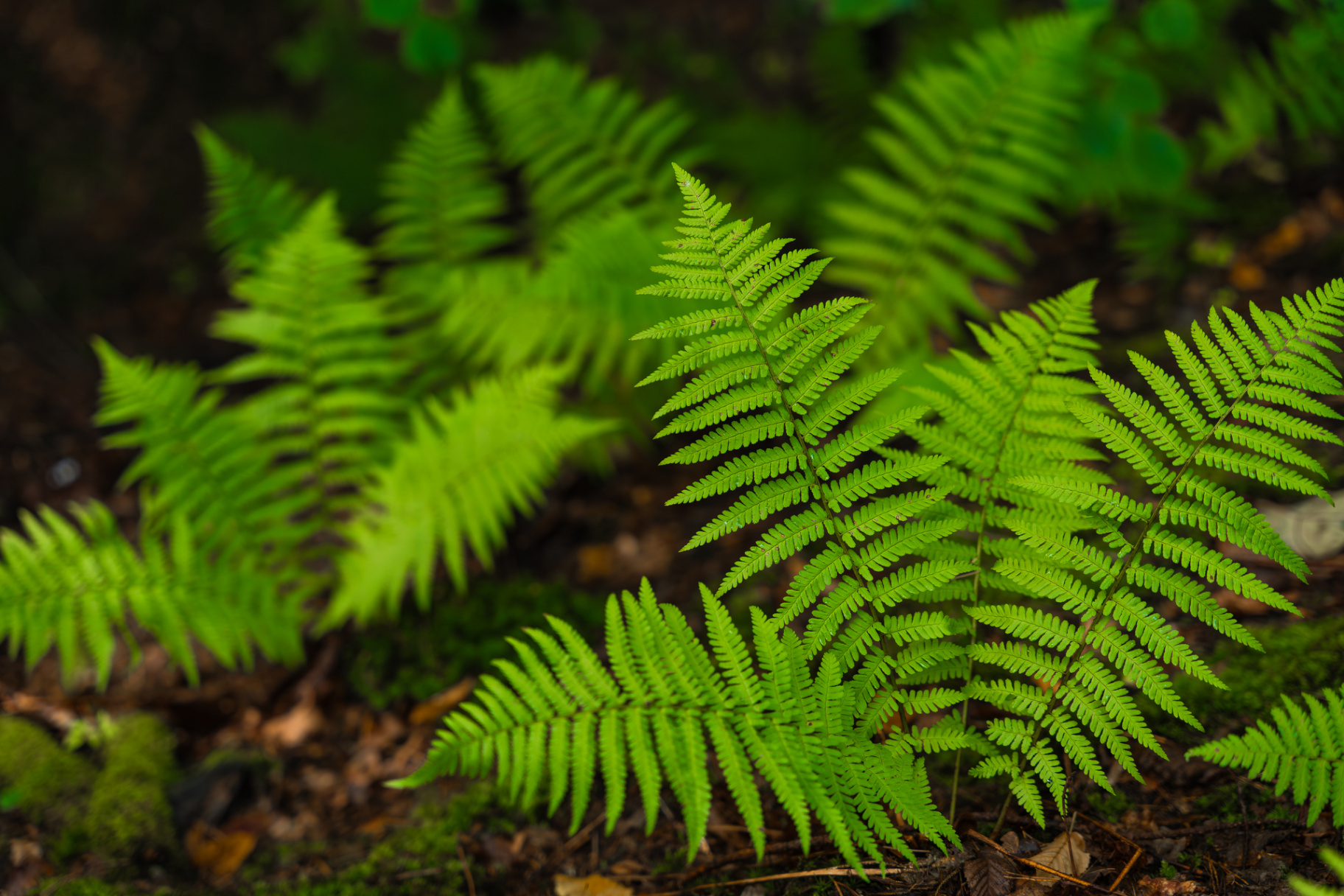
Water is the trickiest variable because it's easy to overdo it. Ferns like their soil evenly moist: not wet, not dry, but somewhere in that Goldilocks zone that feels like a wrung-out sponge. Too much water and you're dealing with root rot. Too little and fronds start crisping at the edges. This is where the ritual becomes diagnostic. You learn to read your plant. You stick a finger in the soil before you water. You notice weight and texture and how quickly the pot drains.
The goal isn't perfection. It's developing a feel for what your specific fern, in your specific environment, actually needs. That takes time. But that's the point.
One of the underrated pleasures of keeping ferns is how much there is to notice. New fronds emerge tightly coiled: these are called fiddleheads: and over the course of days or weeks, they slowly unfurl into full leaves. You can't rush it. You can only watch.
There's also the subtle diagnostic work of reading a plant's health through small visual cues. Fronds that yellow uniformly usually signal overwatering or poor drainage. Brown, crispy tips suggest low humidity or inconsistent watering. Pale, washed-out color means too much light. Once you learn the language, it becomes less about troubleshooting and more about having a conversation with a living thing that can't talk back but tells you everything you need to know.
Seasonal shifts add another layer. In winter, indoor air gets drier and light levels drop. Your fern might slow down, produce fewer fronds, and need slightly less frequent watering. That's normal. It's not dying: it's adjusting. Learning to recognize that seasonal rhythm and adjust your care accordingly is part of the long game. It's also deeply satisfying in a way that's hard to explain until you experience it.
If the ritual is the practice, the habitat is the stage. A lot of people discover that once they commit to one fern, they start thinking about the whole setup differently. Suddenly you're not just watering a plant: you're curating a small, self-contained ecosystem that lives on your desk or shelf.
This is where habitat bundles start to make sense. Instead of one fern struggling in dry air, you cluster a few ferns with moss or other humidity-loving plants. The group creates its own microclimate. Transpiration from the leaves raises local humidity. Evaporation from moist soil does the same. It becomes a feedback loop that supports itself with less intervention from you.
You can go minimal: a single fern in a ceramic pot with a humidity tray underneath: or you can build something more elaborate. A terrarium. A moss bowl. A shallow dish with a maidenhair, a spike moss, and some river stones. The point isn't complexity. It's intentionality. You're building something with your hands that rewards daily attention without demanding constant fixes.
And here's the thing: once you've built that small, stable system, maintaining it becomes almost automatic. You mist in the morning while your coffee brews. You check moisture levels when you sit down at your desk. You wipe condensation off glass when it builds up too much. These are tiny, physical actions that ground you in a routine that isn't about productivity or output. It's just care.
Ferns won't give you flowers. They won't grow three feet in a month. They won't do anything that feels like a dramatic transformation. And that's exactly why they work.
The payoff is cumulative. It's noticing that a plant you brought home six months ago has twice as many fronds now. It's realizing you can tell by touch whether the soil needs water. It's the quiet pride of keeping something alive not through heroic intervention, but through steady, small acts of attention.
If you're someone who finds peace in routine, in doing one thing well, in slowing down enough to notice details, ferns will click. They're not demanding. They're not flashy. They just ask you to show up, pay attention, and let the process unfold at its own pace.
And in a world that constantly asks you to move faster, optimize harder, and produce more, that kind of slow, deliberate engagement starts to feel like resistance. Not loud resistance: quiet resistance. The kind you build one frond at a time.
Care note: This is general guidance for fern care. If you're experimenting with terrariums or enclosed setups, monitor for mold and adjust airflow as needed. Standing water can cause root rot, so ensure pots drain well. If you're new to ferns or want a ready-made starting point, we've curated habitat-friendly setups that take the guesswork out of building your first micro-ecosystem.


