
Carnivorous Plants for Beginners: 7 Mistakes You are Making (and How to Fix Them)
, by Brian Tant, 8 min reading time
, by Brian Tant, 8 min reading time
If you are here, you already know that carnivorous plants are absolutely fascinating. There is something magical about watching a Venus flytrap snap shut, seeing those gorgeous sticky droplets on a sundew, noticing a Pinguicula butterwort curl slightly around a gnat, or peeking into a Sarracenia trumpet pitcher. Here is the thing. These plants have a reputation for being finicky, and honestly a lot of that comes down to common beginner mistakes that are totally avoidable.
Do not worry, we have all been there. I have seen plenty of plant parents accidentally lose their first carnivorous plant, get discouraged, and give up entirely. That is a shame because with a few easy peasy tips, you can absolutely nail carnivorous plant care. Let us dive into the seven biggest mistakes beginners make and how to fix them for Venus flytraps, sundews, Pinguicula, and Sarracenia.
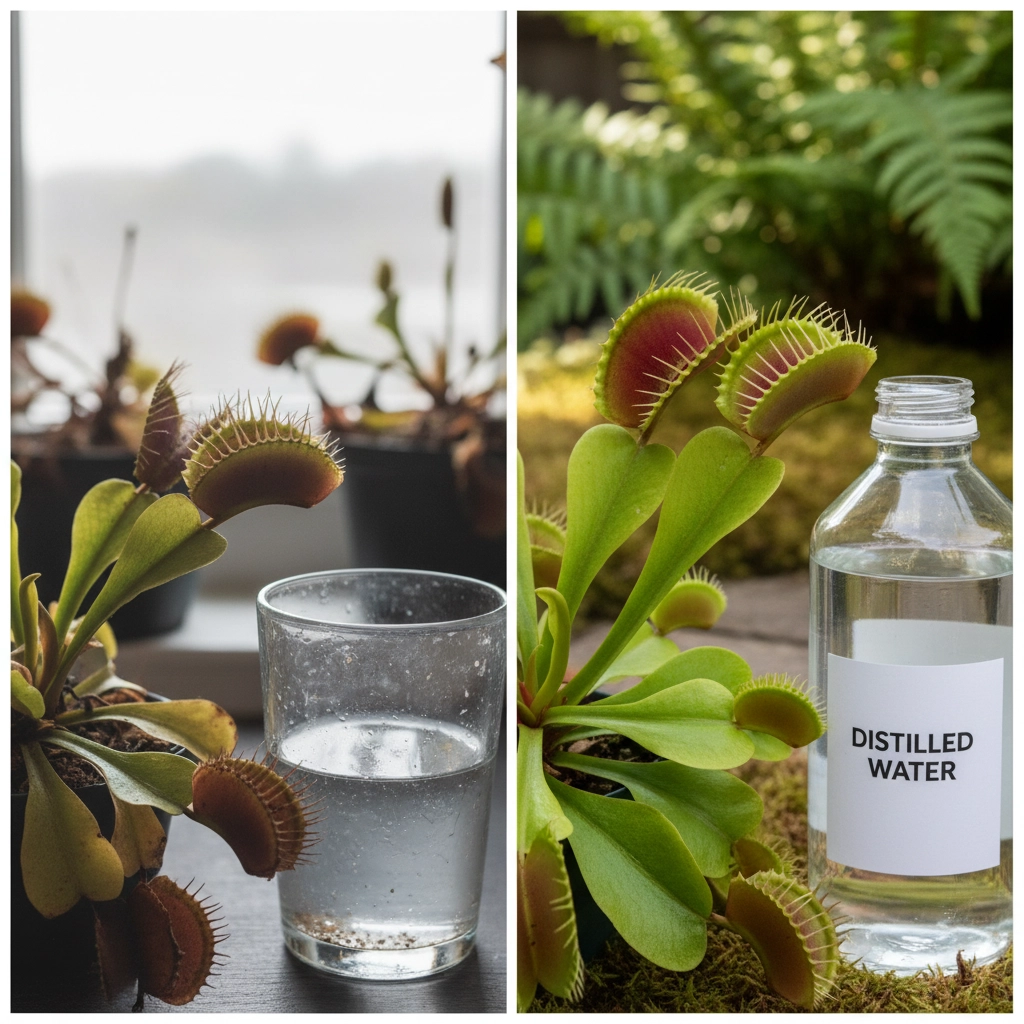
This is the big one. If you take away just one thing from this article, let it be this. Never use tap water on your carnivorous plants.
Tap water contains minerals like calcium, magnesium, and chlorine that are fine for us but deadly for carnivorous plants. These minerals build up in the soil over time and slowly poison your plants. Think of it like feeding your plants a steady diet of tiny rocks.
Shared rule for all four. Use pure water. That means distilled, deionized, or clean rainwater. Aim for less than 50 PPM on a TDS meter. Most tap water runs 200 to 400 PPM, which explains many sad plants.
Quick notes by type: For VFT and sundew, keep TDS as close to zero as you can. Minerals creep up and they sulk fast.
Pinguicula can handle a slightly drier mix at times, but the water still needs to be pure.
Sarracenia often sit in water during the growing season, so clean water pays off even more over time.
Here is where things get counterintuitive. Carnivorous plants love moisture, but they do not love stagnant, sour conditions. The key is understanding the difference between consistently moist and waterlogged. Think wrung out sponge, not swimming pool.
Shared rule. Use pots with drainage holes and let water move through the mix.
Quick notes by type: For VFT and Sarracenia, the tray method is your friend during active growth. Keep about half to one inch in the tray, let it drop, then top up. Roots need that breath of air.
Sundews are happiest with even moisture. A shallow tray is great. Just skip the deep puddle that sticks around all week.
Pinguicula want damp, not soggy. Try bottom watering or pour around the rim and let the pot breathe. Many will enjoy a slightly drier winter rest depending on the species.
I get it, soil is soil, right? Not with these plants. Regular potting soil is like feeding your carnivorous plants a rich heavy meal when they are built for lean conditions.
Shared rule. Avoid fertilizers in the mix and skip composted or enriched soils.
Easy beginner mixes: For VFT and Sarracenia, go with 50% sphagnum peat and 50% perlite. If you prefer, swap some perlite for silica sand.
For sundews, the same 50 50 peat and perlite does the job. Long fiber sphagnum with perlite also works for species that like a bit more water holding.
For Pinguicula, think airy and mineral. Try equal parts perlite and horticultural sand, or perlite with a small pinch of peat, or a pumice heavy blend. The goal is low nutrient and free draining.
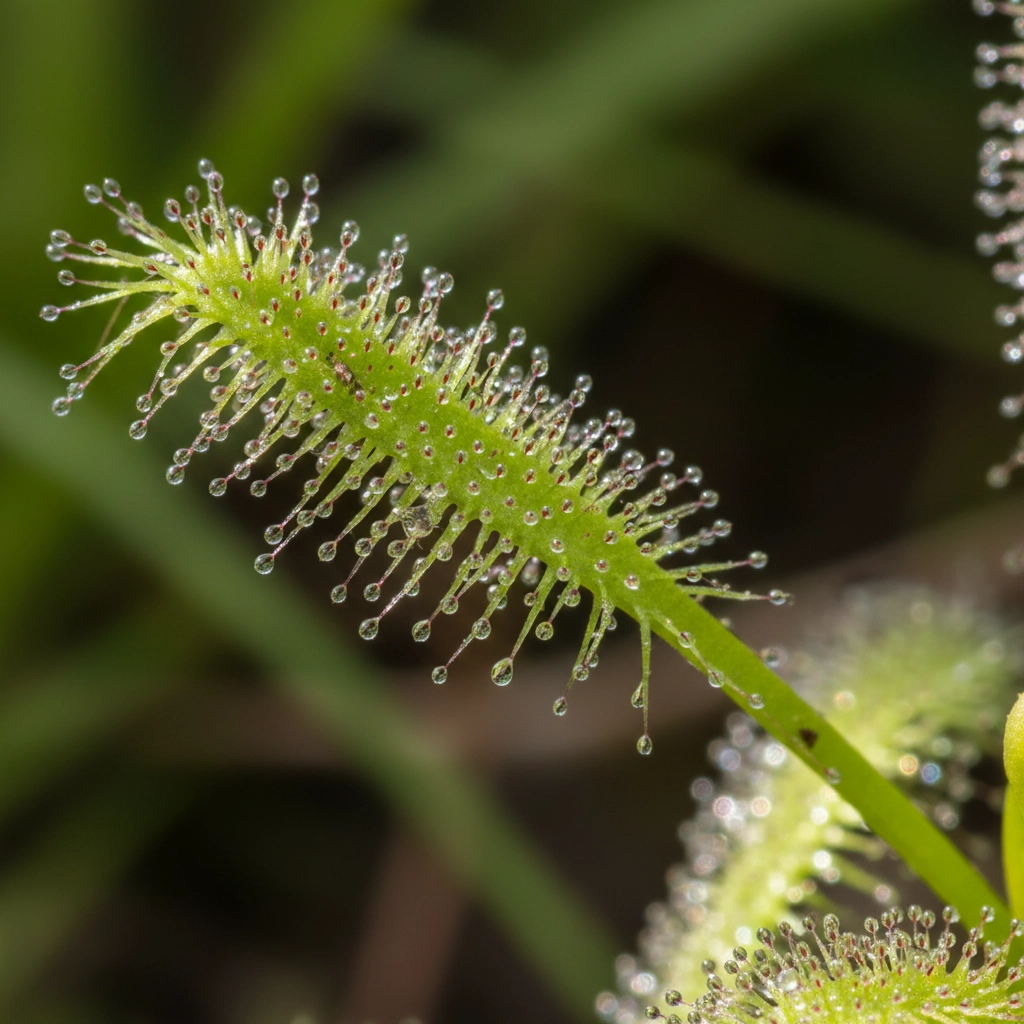
This one comes from a good place. You see a leaf that looks dry and think a quick mist will help. It likely will not kill them, but it can mess with how they feed.
Shared rule. Skip routine misting and create humidity around the plants instead of on the leaves.
Quick notes by type: Sundews live on that sticky dew. Spraying the leaves washes it off and slows the snack catching.
Pinguicula leaves feel delicate and a little greasy. Heavy misting can spot them and lower catch rates.
VFT does not want mist. Focus on steady root moisture and bright light.
Sarracenia does not need mist either. Keep the soil moist and the air moving.
The Fix: Create humidity the right way. Use a humidity tray with pebbles, group plants together, or run a room humidifier. Aim for 50 to 70% and check with a hygrometer. If you need a quick bump, mist the air around the plants, not the leaves. A proper humidity setup is far more effective in the long term.
Feeding is where people either go all in or not at all.
Shared rule. Light and water quality matter more than feeding. Think of food as a boost, not a rescue.
Quick notes by type: VFT do well with one or two bugs per month in active growth. Pick prey about one third the size of the trap and use it live or freshly dead.
Sundews often feed themselves in a bright window. You can add a couple fruit flies or a tiny pinch of pre soaked fish food on a few leaves once or twice a month.
Pinguicula prefer tiny prey. Offer a small gnat or a light sprinkle of crushed dried bloodworms about monthly.
Sarracenia outdoors usually handle feeding on their own. Indoors, drop a couple small dried insects into open pitchers now and then, and do not stuff them.
Never feed sick or stressed plants. Let them recover first. And skip fertilizer for beginners. It is plant poison for these species.
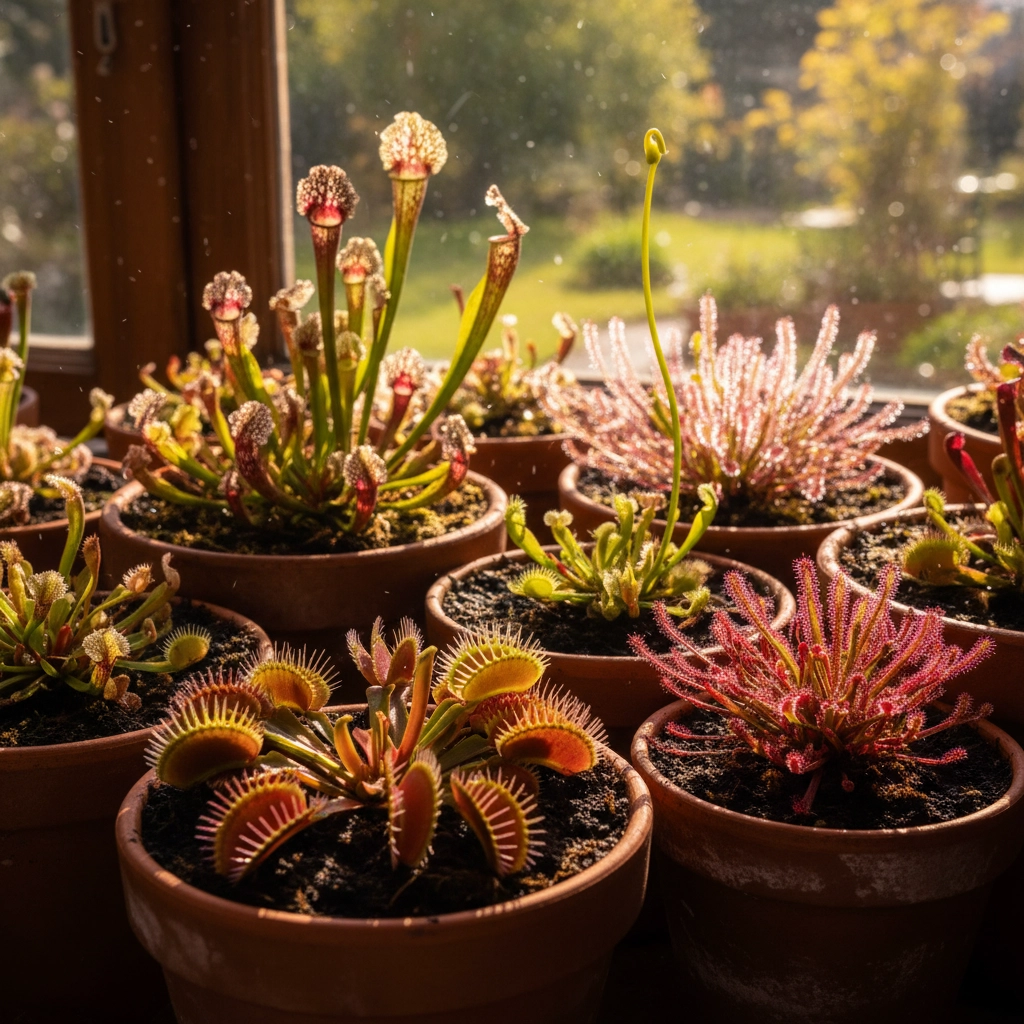
This mistake is sneaky. Plants can hang on in low light for a while, but growth becomes weak and traps underperform.
Shared rule. Provide long bright days. Indoors, 12 to 14 hours under LED grow lights keeps most species happy.
Quick notes by type: VFT color up and build sturdy traps with strong sun. Aim for at least 6 hours of direct sun or use strong grow lights.
Sundews show their best color and dew in bright light. Many thrive with 12 to 14 hours under LEDs.
Pinguicula like bright indirect light with a little gentle morning sun. Harsh midday sun can scorch them.
Sarracenia love full sun. Outdoors aim for 6 to 10 hours. Indoors you will need very strong lighting to keep them happy.
A south facing window is great if you have it. If not, invest in LED grow lights that do not run too hot. Watch your plants. Strong color, well formed traps, and steady growth are your green lights.
Humidity plays a bigger role than most people think.
Shared rule. Keep humidity reasonable while you prioritize pure water and proper light.
Quick notes by type: Sundews usually look their best around 50 to 70% humidity.
Pinguicula are often fine at typical indoor levels around 40 to 60% as long as the mix is airy and you water well.
VFT are not fussy about humidity if root moisture and light are on point.
Sarracenia are easier outdoors where humidity and airflow balance each other. Indoors, aim for a little extra humidity and lots of light.
The Fix: Use a humidity tray with pebbles, group plants together, or run a room humidifier. Monitor with a hygrometer so you know what you are working with, especially in winter when homes get dry.
Carnivorous plants are not actually that difficult once you understand what they need. The big picture is simple. Use pure water, keep nutrient levels low, give them bright light, and match moisture to the plant.
Beginner friendly picks. Try a classic Venus flytrap, a forgiving Cape sundew Cape sundews, a common Mexican Pinguicula like Pinguicula moranensis, and a hardy Sarracenia such as Sarracenia purpurea if you have strong light or an outdoor spot.
Do not get discouraged if the first attempt is rocky. Most of us lost at least one plant while learning. Each mistake teaches you what these amazing plants actually need to thrive.
With pure water, the right soil, strong light, sensible humidity, and light handed feeding, you will be amazed at how resilient and rewarding Venus flytraps, sundews, Pinguicula, and Sarracenia can be. Before you know it, you will be the person giving tips to new growers, and there is nothing quite like watching someone’s face light up when their first VFT snaps shut on its first snack.


