
Rare Houseplants vs. Common Varieties: Which Path Should Collectors Take in 2026?
, by Brian Tant, 6 min reading time
, by Brian Tant, 6 min reading time
Ah, 2026, when houseplants range from splurge-worthy to super accessible. If you're here, you've probably fallen down the plant-collecting rabbit hole and are at the crossroads, wallet cautious, wondering whether to chase a dreamy half-leaf cutting or go with something chill.
Let's be honest: plant collecting has thrills and a few risks. And if a rare Philodendron doesn't make it, you picked up lessons for the next one.
Rare plants are the sports cars of the plant world: flashy, pricey, and likely to have you checking on them at 3 AM for the fourth time that night. These botanical status symbols can turn your space into an Instagram-worthy jungle while gently taxing your budget and attention.
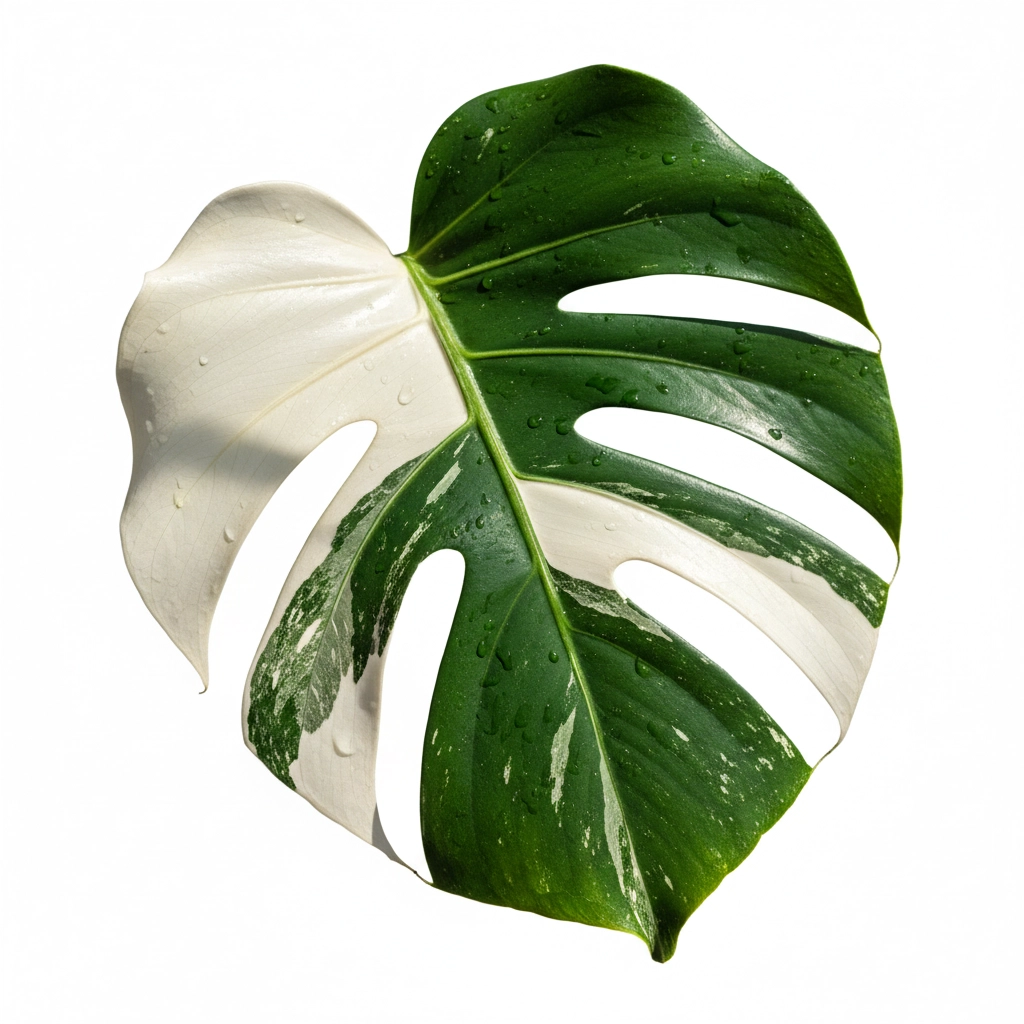
The current rare plant darlings include variegated monsteras that cost a small fortune, Thai constellations that demand VIP-level attention, and philodendrons with names longer than your shopping list. Each leaf is a little genetic-lottery win, which makes every blemish feel high stakes.
Beyond the sticker shock, rare plants come with invisible expenses that add up fast. Specialized grow lights, humidity controllers, imported soil mixes, and the occasional expert consult all contribute to what feels like a rare-plant spending spiral.
Then there's the propagation game, where you might spend months nurturing a single node, only to watch it stall for reasons that seem mysterious. The disappointment is real, and so is the temptation to try again right away.
Rare plants can be a mental workout. They'll look perfect for months, then suddenly develop mysterious issues no Google search can solve. You'll join Facebook groups where folks debate leaf color with surprising intensity, and you'll take daily photos to track every microscopic change.
The questions keep coming. Is that leaf yellowing? Is the variegation reverting? Did the care routine shift? Welcome to the rare plant owner's steady mix of curiosity and careful attention.
Common plants are like that friend who never cancels plans, reliable, low-maintenance, and always there when you need them. Your pothos doesn't care if you forget to water it for two weeks. Your snake plant won't guilt-trip you for choosing Netflix over plant care. These are the plants that actually want to live in your home, not in some pristine greenhouse fantasy.
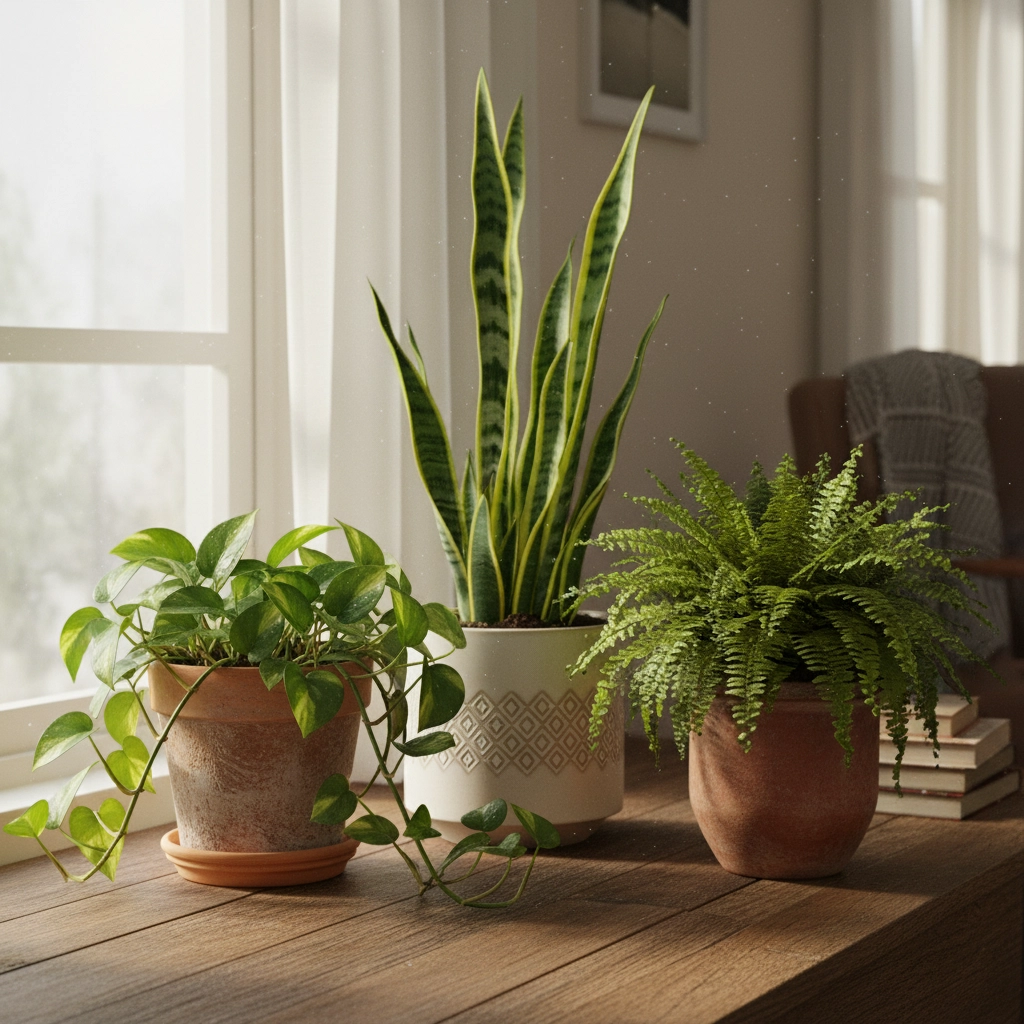
Sure, they won't spark a frenzy online, but they also won't add drama to your week. The bird's nest fern in our collection, for instance, is remarkably forgiving—a quality you appreciate when other experiments don't go as planned.
There's something refreshingly honest about common plants. They're not trying to be anything other than what they are: green, growing, and grateful for basic care. No Instagram staging required, no special lighting setups, no humidity-induced neurosis. Just plants being plants.
Your Boston fern won't judge your plant care skills or make you feel like a failure when it drops some fronds. It's just doing its fern thing, which is more than can be said for some ultra-rare cuttings that need dialed-in conditions.
Common plants offer something rare plants rarely do: peace of mind. When your pothos cutting fails, you're out a few bucks—not a small fortune. When your peace lily throws a dramatic fainting spell, you water it and move on with your day (no need to search for a "plant ER").
This accessibility means you can actually enjoy your plants instead of constantly worrying about them. Nice, right?
Let's lay out the facts without the Instagram filter:
Financial Impact: Rare plants can range from $100 to several thousand dollars. Common plants cost $10–$50 and deliver consistent results. Your wallet will thank you for choosing the path that keeps things simple.
Time Investment: Rare plants demand constant monitoring, specialized care routines, and extensive research. Common plants thrive on neglect, or at least benign indifference. If you have a life outside of plant care, choose accordingly.
Success Rate: Common plants have decades of well-tested care info available. Rare plants can come with sparse, inconsistent guidance. Your success rate with common plants is usually high; with rare plants, expect a learning curve.
Space Requirements: Many rare plants need specific conditions that most homes can't provide without significant investment in equipment. Common plants adapt to whatever corner you stick them in and somehow make it work.
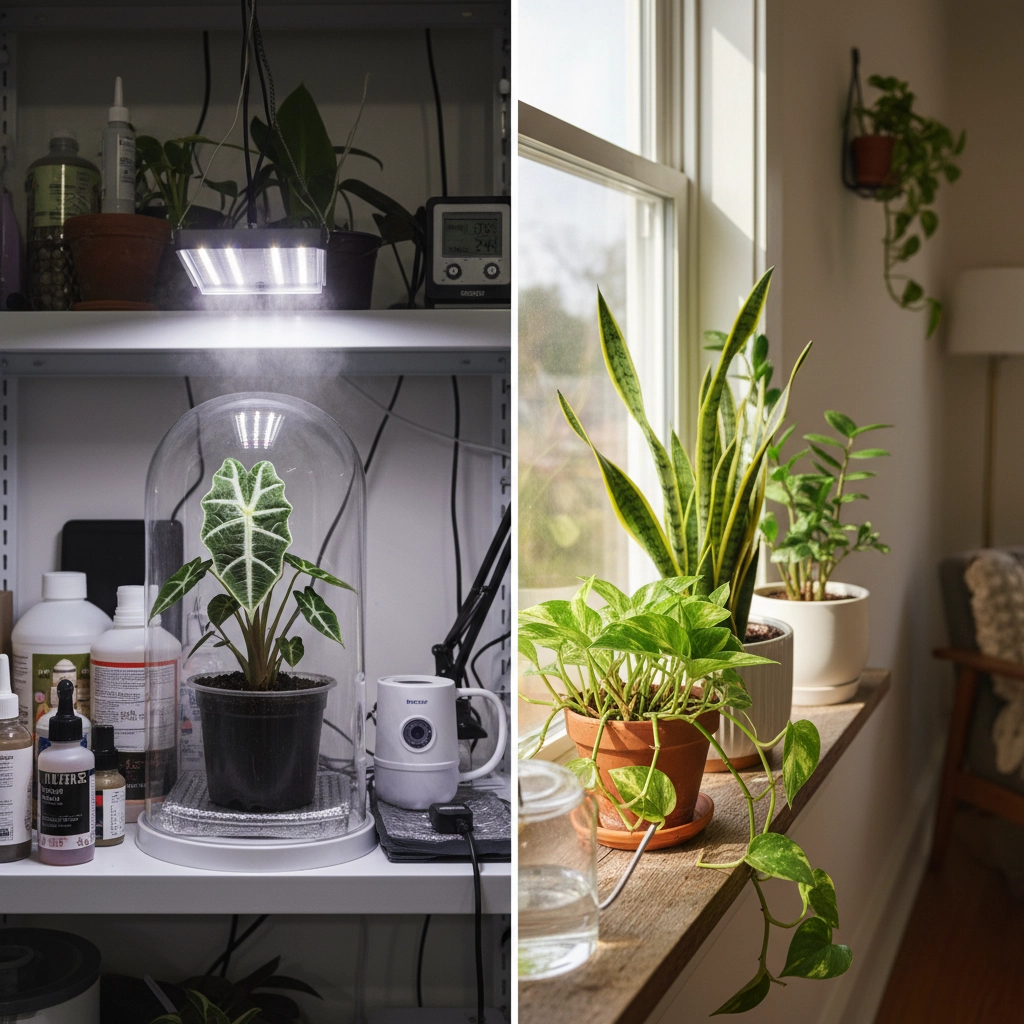
Start with common varieties that look premium. A well-grown maidenhair fern or mature monstera deliciosa can look just as impressive as their rare cousins without stretching your budget. Build your skills and confidence with plants that actually want to thrive, then gradually introduce rare specimens once you've mastered the basics.
If you must go rare (and we get the pull), limit yourself to one rare plant per season. This keeps the budget steady while still feeding your need for botanical excitement. Choose rare plants with well-documented care requirements rather than mysterious imports with no proven track record in home cultivation.
Stick to common plants for now. Build wins before investing in pricier specimens. Master a pothos before you even think about that variegated whatever. Your confidence (and collection) will grow fast.
Here's a secret: good styling and photography can make a $15 plant look like a $500 specimen. Invest in nice planters, good lighting, and photography skills instead of blowing your budget on rare plants that photograph the same as their common cousins.
Plant collecting in 2025 can feel less like gardening and more like retail therapy with extra steps. The rare plant market leans on FOMO, social media validation, and our tendency to equate expense with value. Meanwhile, common plants sit ignored despite often being better choices for most collectors.
The most successful plant parents—the ones with thriving collections and sane budgets—often follow the 80/20 rule: 80% reliable common plants, 20% carefully chosen rare specimens. This approach delivers the thrill of rare ownership without the financial and emotional strain of going all-in.
Your plants don't care about their price tag. They care about appropriate light, water, and soil—things common plants are more likely to get because you're relaxed about caring for them. Sometimes the best collection is the one that doesn't add stress.
The choice isn't really between rare and common plants; it's between sustainable collecting and chasing every shiny new thing. Choose wisely, and remember: the basics win—light, water, and patience.


