
A Story of Defeat and Redemption: 7 Big Oopsies to Avoid
, by Brian Tant, 12 min reading time
, by Brian Tant, 12 min reading time
Editor's Note: We're trying something new with this blog post. Alex and Jamie are plot elements being used to convey info in a more narrative format. They're not real, but the problems making life hard for them are common. Neither Alex nor Jamie were harmed in the making of this post. This post also was banned by Moms for Liberty, so you know it's good. Carry on.
Alex stared at the wilted Venus flytrap on their windowsill, its once-vibrant green traps now brown and lifeless. "I swear I followed the care instructions," they muttered to their friend Jamie over video chat. "I watered it every few days, kept it by the window, used regular potting soil... What went wrong?"
Jamie peered closer at the screen, adjusting their glasses. "Hold up, regular potting soil? And you watered it every few days?" They'd been growing carnivorous plants for about six months now, having started their own collection after a fateful trip to a specialty plant store. "Oh buddy, I think I know exactly what happened. Mind if I share a few things I learned the hard way?"
This conversation between two plant enthusiasts mirrors countless others happening right now. The world of carnivorous plants can feel intimidating, but most beginner mistakes stem from treating these fascinating creatures like regular houseplants. Through Alex and Jamie's journey, let's explore the most common pitfalls and discover how to transform struggling plants into thriving, insect-catching marvels.
"So what's wrong with tap water?" Alex asked, genuinely puzzled. "I mean, I drink it just fine."
Jamie chuckled, remembering asking the exact same question when their first sundew started looking pale and sickly. "Yeah, I used to think the same thing. But here's the deal, carnivorous plants evolved in nutrient-poor environments, like bogs and wetlands. Their root systems are super sensitive to minerals that regular tap water is loaded with."
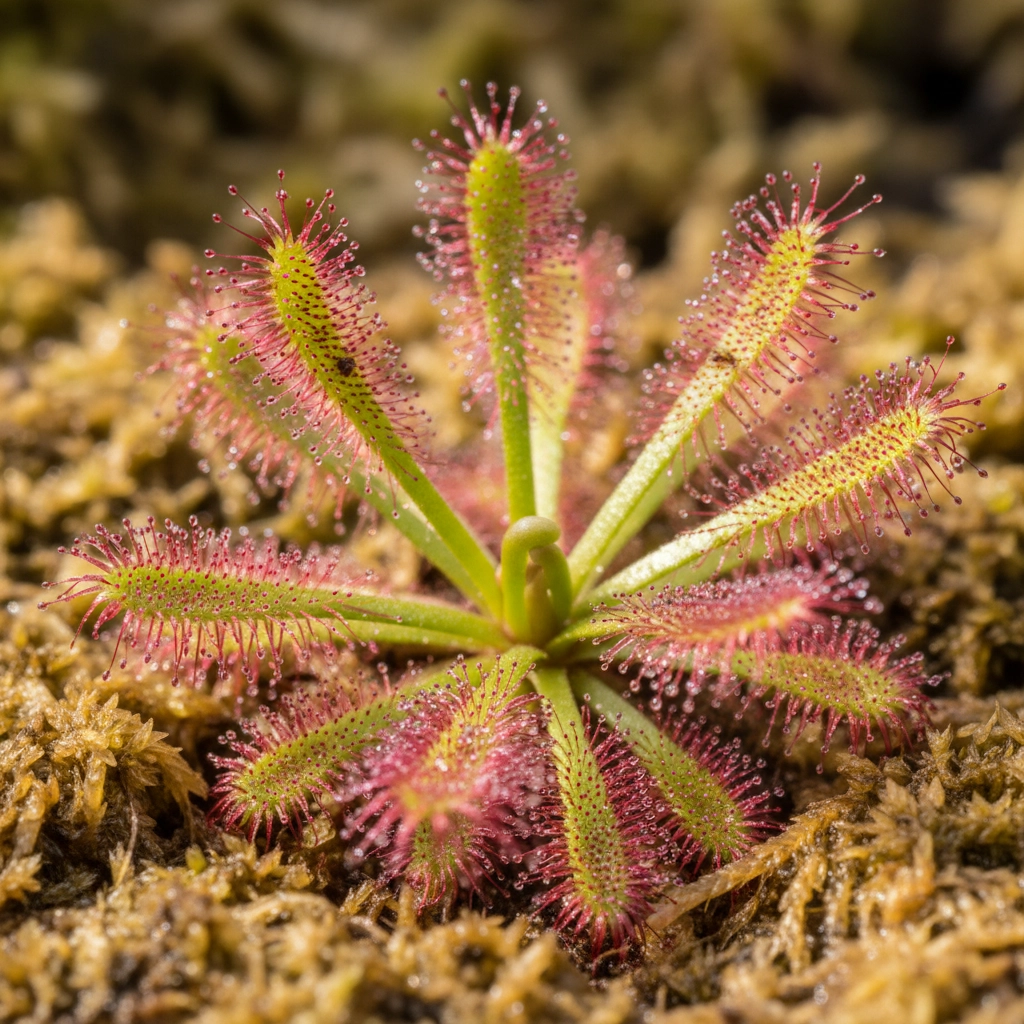
They pulled their own collection closer to the camera, pointing to a thriving Cape sundew glistening with dewdrops. "See how healthy this looks? I switched to distilled water about three months ago, and the difference was dramatic. Before that, my plants looked stunted and their leaves had brown edges."
Alex nodded thoughtfully. "So distilled water from the grocery store?"
"Exactly, or rainwater if you can collect it safely. I actually keep a little rain barrel on my balcony now," Jamie explained. "The key is keeping the mineral content as low as possible. Tap water might have 200-300 parts per million of dissolved solids, but carnivorous plants prefer water with less than 50 ppm."
The mineral buildup from tap water acts like a slow poison for these plants, accumulating in the soil over time and eventually burning their sensitive root systems. Once Alex made the switch to distilled water, they noticed their replacement Venus flytrap's new growth was significantly more vibrant.
Three weeks after their first conversation, Alex called Jamie in a panic. "Okay, I switched to distilled water like you said, but now the soil keeps drying out completely between waterings. Is that normal?"
Jamie practically jumped from their chair. "Wait, drying out completely? No, no, no! These plants want to be wet pretty much all the time. Think of them living in a bog, it's like a natural swamp."
This revelation hit Alex like a lightning bolt. They'd been treating their carnivorous plant like a succulent, allowing the soil to dry between waterings to prevent root rot. But carnivorous plants operate on completely different principles.
"I learned this lesson when I nearly killed my butterwort," Jamie continued, walking over to show a healthy Pinguicula with lime-green, sticky leaves. "I was so worried about overwatering that I let it get too dry. The leaves started curling and losing their sticky quality."
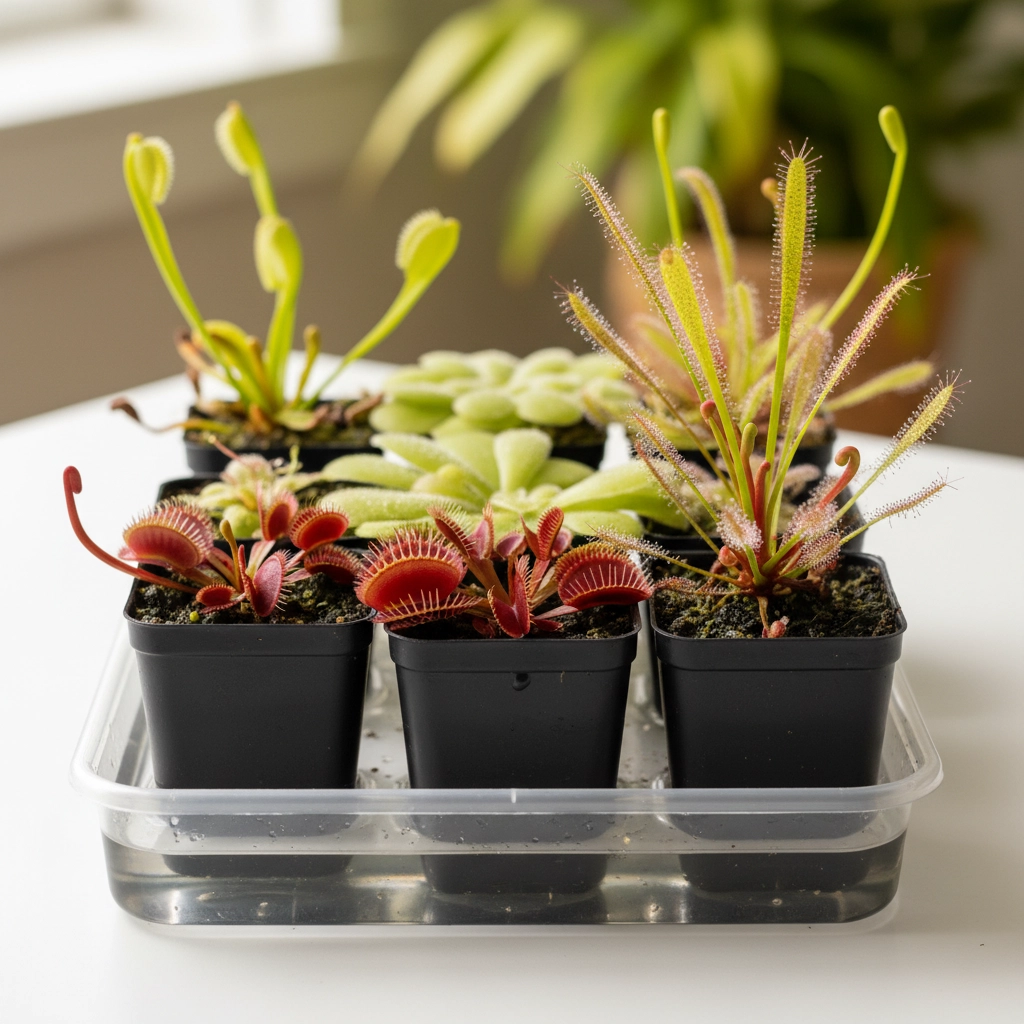
Jamie demonstrated their watering technique, placing plant pots in shallow water trays. "I keep about an inch of water in these saucers at all times. The plants can drink from the bottom as needed, and the soil stays consistently moist, kind of like a wrung-out sponge."
Alex watched, fascinated, as Jamie explained how the constant moisture helps maintain the plants' carnivorous adaptations. "When they dry out, Venus flytraps can't snap their traps properly, and sundews lose that sticky dew that catches insects."
A month into their carnivorous plant journey, Alex encountered their next challenge. "I repotted my plant because it seemed cramped, and I dialed in the distilled water and moisture thing down perfectly, but now the leaves are turning yellow."
Jamie winced sympathetically. "What kind of soil did you use for repotting?"
"Well, I mixed some of that carnivorous plant soil from the garden center with regular potting mix to stretch it further..."
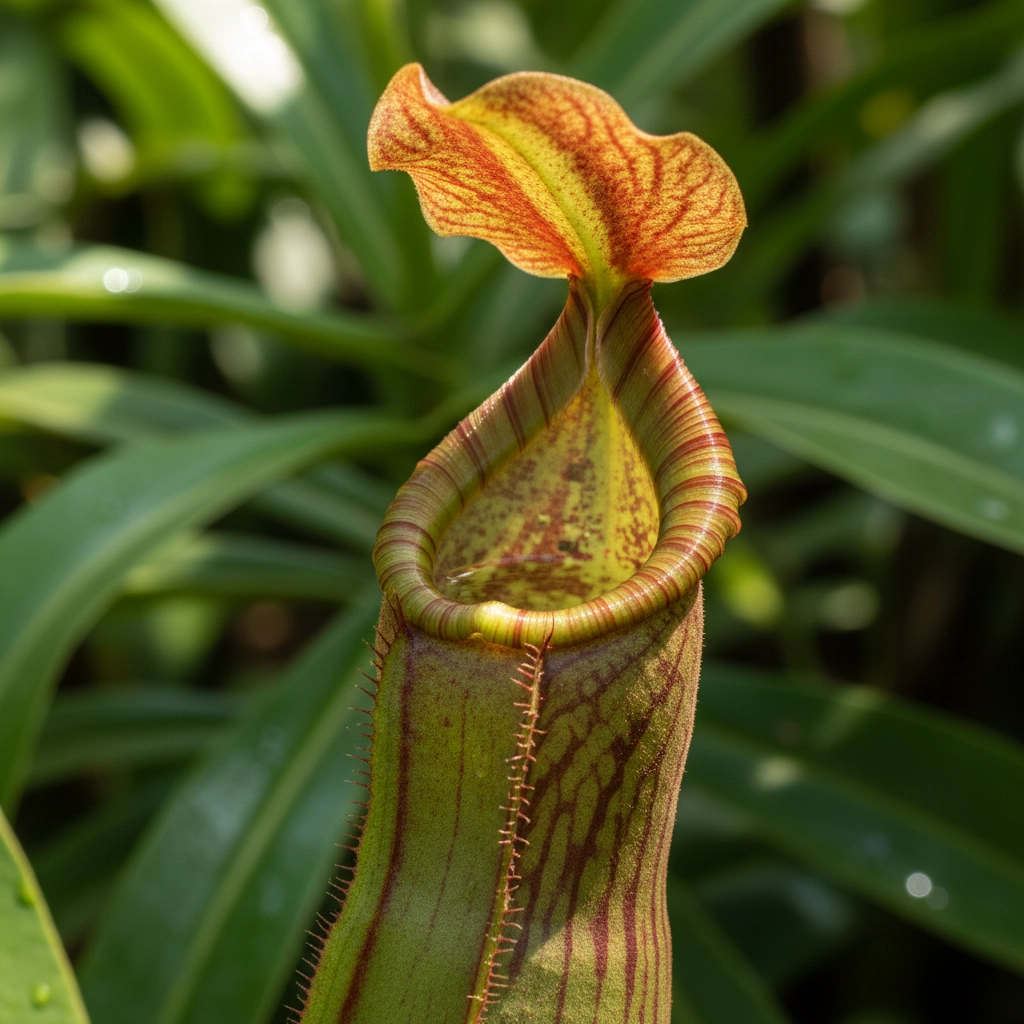
"There's the problem," Jamie said gently. "I made almost the identical mistake with my first Nepenthes pitcher plant. Regular potting soil has fertilizers and minerals that are basically toxic to carnivorous plants."
Jamie grabbed a bag from their plant supplies and held it up to the camera. "This is straight sphagnum peat moss mixed with perlite, about fifty-fifty. No nutrients, no minerals, just a substrate that holds moisture while still allowing air to reach the roots."
Alex looked confused. "But don't all plants need nutrients in their soil?"
"That's the beautiful thing about carnivorous plants," Jamie explained, their excitement evident. "They get their nutrients from catching and digesting insects. Their whole evolutionary strategy revolves around growing in nutrient-poor soils where other plants can't compete."
The difference became apparent when Alex repotted again using the proper soil mixture. Within two weeks, the yellowing stopped, and new, healthy growth emerged from the center of the plant.
As autumn approached, Alex noticed their plants becoming sluggish. The Venus flytrap's traps were smaller, and their sundew's tentacles seemed less sticky. During their weekly check-in call, they mentioned this to Jamie.
"How many hours of direct sunlight is your windowsill getting these days?" Jamie asked.
Alex thought for a moment. "Maybe three or four hours in the morning?"
Jamie nodded knowingly. "Ah, the seasonal light drop. I went through this same thing last year. Most carnivorous plants are light hogs, they really want at least six hours of direct sunlight, preferably more."
Jamie showed Alex their setup, which now included a full-spectrum LED grow light suspended above their plant collection. "I added this light last October when I noticed the same symptoms. The difference was immediate, within a week, my plants were back to their vibrant selves."
The conversation revealed how crucial light intensity is for maintaining the plants' carnivorous mechanisms. "Without enough light, they can't produce the enzymes needed for digestion, and they can't maintain the energy-intensive traps and sticky surfaces," Jamie explained.
Alex invested in a similar LED setup, positioning it about twelve inches above their plants and running it for fourteen hours daily during the darker months. The transformation was remarkable, their plants regained their vigor and continued actively catching insects even as winter approached.
By winter, Alex felt confident about water, soil, and light, but a new question emerged during one of their plant care sessions. "I've been trying to feed my Venus flytrap flies I caught, but half the traps turn black after I feed them. Am I doing something wrong?"
Jamie laughed, remembering their own overzealous feeding phase. "Oh, I definitely went through a feeding frenzy period too. I was so excited about the whole carnivorous aspect that I was practically force-feeding my plants."
They explained how they'd learned that carnivorous plants don't actually need much supplemental feeding, especially when grown indoors. "The thing is, if you feed them prey that's too large, or if the trap can't seal properly around the food, bacteria can get in and cause the trap to rot."
Jamie demonstrated the proper feeding technique with their own Venus flytrap. "If you're going to feed them, the prey should be about one-third the size of the trap, and it needs to be alive or at least move enough to stimulate the trigger hairs inside the trap."
More importantly, Jamie revealed that many carnivorous plants could thrive without any supplemental feeding at all, especially if they occasionally caught gnats or other small insects naturally. "My butterworts and sundews catch tiny flies all on their own. I rarely feed my Venus flytraps anymore, maybe once a month at most."
This took pressure off Alex, who had been stressing about finding appropriate insects during winter months. They learned to trust that their healthy plants would catch what they needed naturally.
Spring brought new growth but also revealed another issue Alex hadn't anticipated. "My new pitcher plant's pitchers keep drying up and turning brown before they fully develop," Alex mentioned during their regular video call.
Jamie immediately recognized the problem. "Humidity! I bet your house is pretty dry, especially if you're running heating or air conditioning."
This had been one of Jamie's most frustrating challenges when they expanded their collection to include tropical pitcher plants. "Nepenthes really need higher humidity to develop those amazing pitchers properly. Regular house humidity, usually around 30-40%, just isn't enough."
Jamie showed Alex their solution: a large tray filled with expanded clay pebbles and water, with the plant pots sitting on top. "This creates a humidity microclimate around the plants. I also group my carnivorous plants together, which helps them maintain higher moisture levels."
For Alex's specific pitcher plant problem, Jamie suggested a temporary humidity chamber using a clear plastic storage container with the lid slightly ajar. "Just for a few weeks while new pitchers develop. Once they're formed, they're much more tolerant of lower humidity."
Within a month of implementing these humidity solutions, Alex's pitcher plant produced its first fully-formed, functional pitchers, complete with the digestive fluid inside.
Just as Alex thought they'd mastered carnivorous plant care, summer brought an unexpected challenge: tiny green insects clustering on their plant leaves.
"Are those aphids?" Jamie asked, squinting at the screen during their weekly check-in.
"I think so," Alex replied, frustrated. "It's ironic, right? My carnivorous plants have pests that they're not catching."
Jamie nodded sympathetically. "Yeah, aphids are too small and not attracted to the traps. I dealt with this exact same issue on my sundews last summer."
Jamie shared their integrated pest management approach, which started with the gentlest methods. "First, I tried just wiping them off with a damp cotton swab. For persistent infestations, I use a very diluted insecticidal soap, but you have to be careful not to get it on the sticky surfaces of sundews or inside Venus flytrap traps."
The key insight Jamie had learned was prevention through environmental management. "Good air circulation helps a lot. I added a small fan to my growing area, and pest problems decreased significantly."
They also discussed beneficial insects, how encouraging natural predators like ladybugs could help control pest populations without harming the carnivorous plants themselves.
Alex implemented these strategies gradually, starting with manual removal and improving air circulation. Within two weeks, the aphid population was under control, and their plants were back to healthy growth.
Six months after that first desperate video call about the dying Venus flytrap, Alex proudly showed Jamie their thriving collection. A healthy Venus flytrap with vibrant red traps, a Cape sundew sparkling with sticky droplets, and a pitcher plant producing impressive new pitchers.
"I can't believe how much I didn't know," Alex reflected. "I was literally doing almost everything wrong."
Jamie smiled. "But look at you now! You understand their water needs, you've got the lighting dialed in, your soil mixture is perfect, and you're managing humidity like a pro."
The transformation in Alex's plant care confidence was remarkable. They'd learned to read their plants' signals, recognizing when moisture levels were right by the soil color, understanding how proper lighting affected trap coloration, and knowing when humidity adjustments were needed based on pitcher development.
"The best part," Alex added, "is that once you understand these principles, caring for carnivorous plants is actually easier than regular houseplants. There's no guessing about fertilizing schedules or complex care routines."
Jamie agreed enthusiastically. "Exactly! They're incredibly rewarding because they give you such clear feedback. When you get it right, they show off with dramatic traps, colorful pitchers, and active insect-catching."
Today, both Alex and Jamie continue expanding their collections, but with the confidence that comes from understanding these fundamental principles. They've learned that success with carnivorous plants isn't about having a green thumb, it's about understanding their unique adaptations and providing the specific conditions these fascinating plants evolved to thrive in.
"Every mistake taught me something important," Alex reflected during their most recent conversation. "And honestly, watching these plants recover and flourish after I fixed each problem was incredibly satisfying."
Their journey illustrates a crucial point about carnivorous plant cultivation: most problems stem from applying conventional houseplant care to plants that operate on completely different principles. Once you understand their bog-dwelling, nutrient-poor origins and light-hungry nature, providing proper care becomes straightforward.
The friendship between Alex and Jamie, forged over shared plant struggles and victories, demonstrates how the carnivorous plant community naturally supports newcomers. These plants have a way of bringing people together, creating connections through shared fascination with nature's most ingenious insect-catchers.
Whether you're just starting your carnivorous plant journey or troubleshooting challenges with existing plants, remember that every expert was once a beginner making these same mistakes. The key is understanding that these remarkable plants have their own rules, and once you learn to play by them, you'll discover some of the most rewarding and captivating plants you can grow


