Carnivorous Plants for Beginners: 7 Mistakes You're Making (and How to Fix Them)
, by Brian Tant, 10 min reading time
, by Brian Tant, 10 min reading time
If you're here, you probably already know that carnivorous plants are absolutely fascinating. There's something almost magical about watching a Venus flytrap snap shut or seeing tiny insects get caught on a sundew's sticky leaves. But here's the thing, I've watched too many plant parents get frustrated and give up on their carnivorous beauties because they're making some pretty common mistakes.
Don't worry, though. You're not alone in this, and these aren't deal-breaker mistakes. Most of them are actually pretty easy fixes once you know what you're looking for. Let's dive into the seven biggest slip-ups I see beginners make, and more importantly, how to turn things around.
Picture this: You've just brought home your first Venus flytrap, and you're so excited that you immediately repot it in that nice, rich potting soil you use for all your other plants. After all, good soil means healthy plants, right? Wrong, and this is probably the fastest way to accidentally kill your new carnivorous friend.
Here's what's happening: carnivorous plants evolved in nutrient-poor environments like bogs and marshes. They developed their insect-catching abilities precisely because the soil where they live is basically nutritional junk food. When you plant them in regular potting soil, you're essentially force-feeding them a diet that's way too rich, and their roots can't handle it.
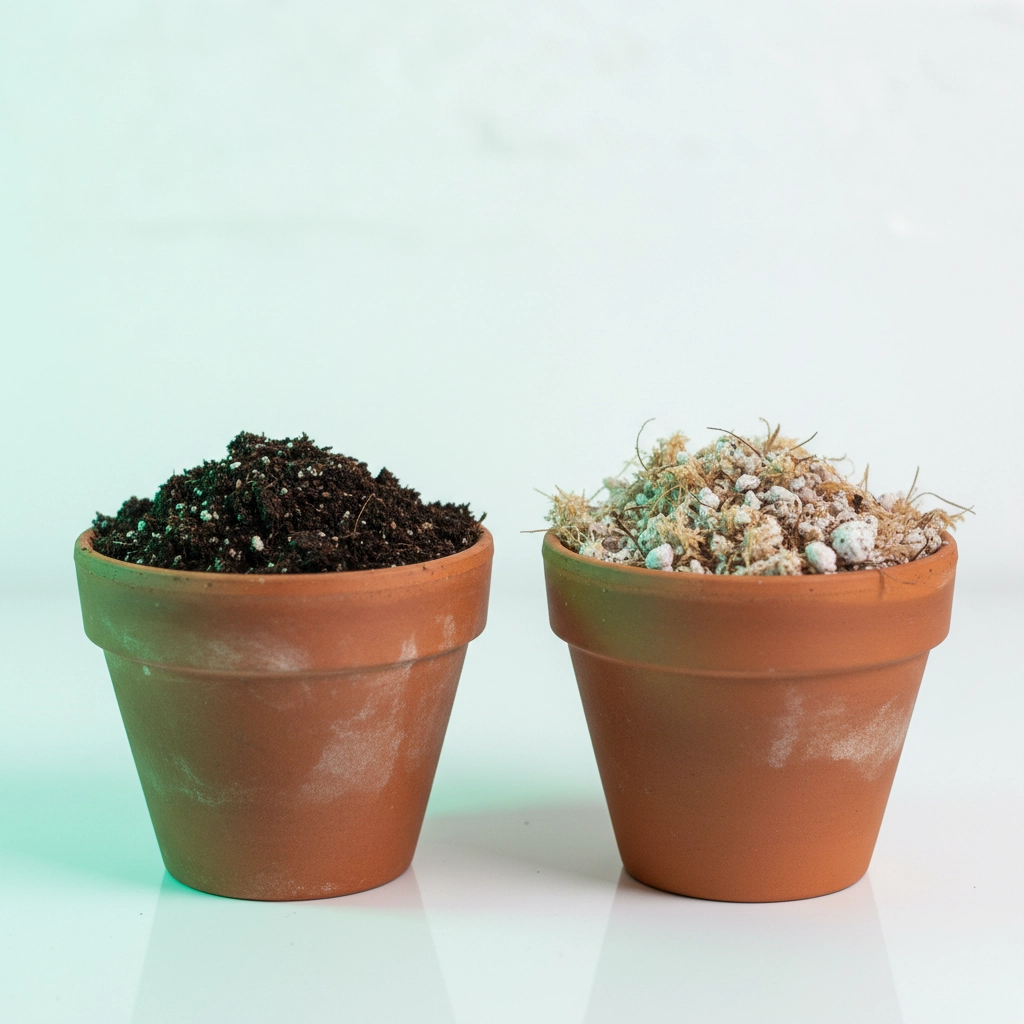
The fix is surprisingly simple, but you'll need to get specific about your soil mix. Most carnivorous plants thrive in a 50/50 mix of peat moss and perlite (or sand). You can find both at most garden centers, and mixing them is as easy as it sounds. Some people like to add a bit of sphagnum moss to the mix, which works great too. The goal is creating something that holds moisture but drains well, think wrung-out sponge, not soggy mud.
Pro tip: avoid anything labeled "potting mix" or "garden soil," and definitely stay away from Miracle-Gro products. Your carnivorous plants will thank you for keeping things simple and nutrient-poor.
Most people don't even think about soil pH when they're starting out with carnivorous plants, but this invisible factor can make or break your growing success. I've seen perfectly healthy-looking plants slowly decline because their soil pH was gradually shifting away from what they need.
Carnivorous plants are picky about pH, they want their soil to be acidic, sitting somewhere between 4.0 and 5.5. Regular potting soils and fertilizers will push that number higher, creating an environment where your plants can't properly absorb nutrients through their roots. It's like trying to drink a milkshake through a straw that's too narrow, technically possible, but unnecessarily difficult.
The easiest way to avoid this problem is sticking with that peat moss and perlite mix I mentioned earlier. Peat moss naturally creates the acidic environment your carnivorous plants crave. If you want to get really precise about it, you can test your soil pH with inexpensive strips from the garden center, but honestly, if you're using the right soil components, you're probably in good shape.
This one breaks my heart because it's so well-intentioned. You're diligently watering your plants, maybe even checking the soil moisture regularly, but you're using straight tap water. The problem isn't the frequency, it's what's in that water.
Tap water contains minerals, chlorine, and other chemicals that slowly build up in your soil over time. For most houseplants, this isn't a big deal. But carnivorous plants are basically the drama queens of the plant world when it comes to water quality. Those accumulated minerals can burn their roots and make it impossible for them to absorb water properly, even when the soil feels moist.
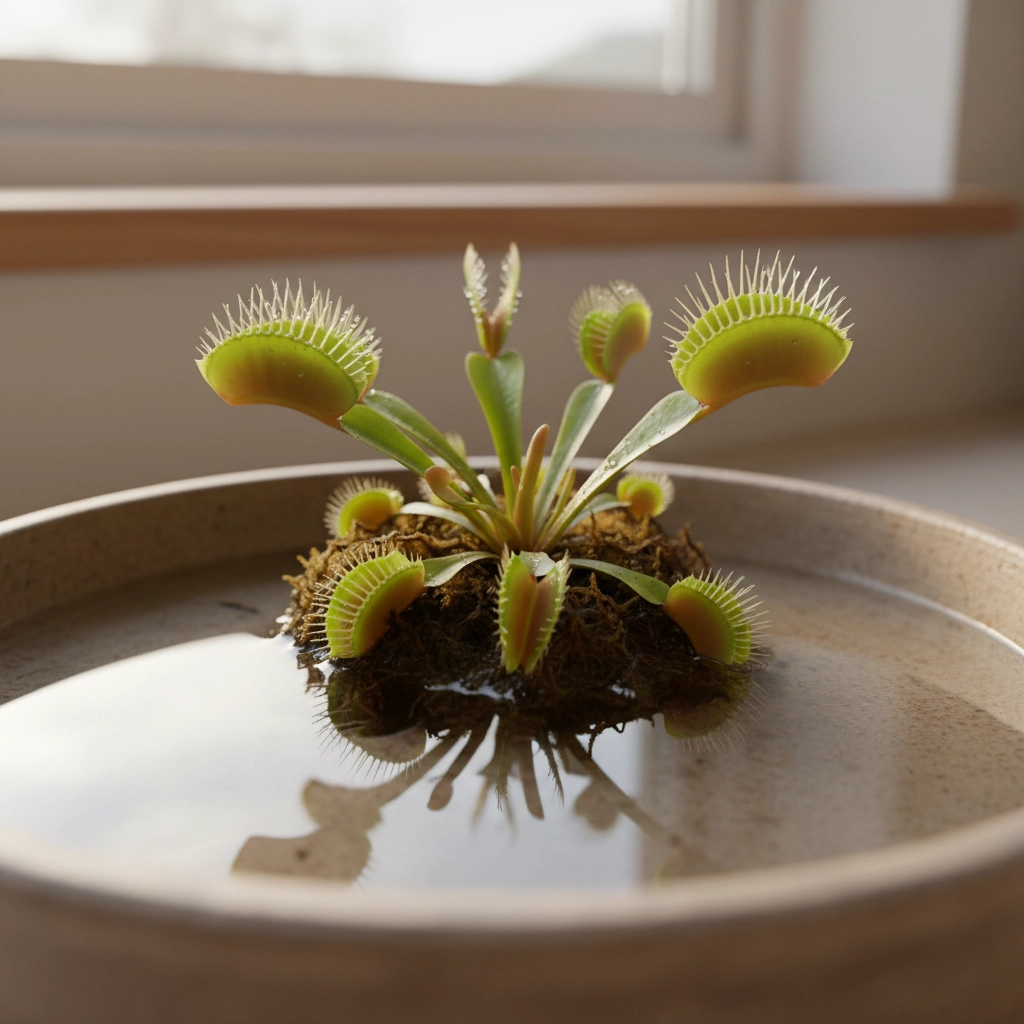
The solution is switching to purified water, and you've got a few options here. Rainwater is fantastic if you can collect it, just set out some containers during storms and store the water in clean plastic bottles. Distilled water from the grocery store works too, and you can usually find it for pretty cheap. Some people use reverse osmosis water, which you can get from those machines at the grocery store.
Here's a neat trick: the "tray method" works great for consistent watering with pure water. Set your plant pots in shallow trays and keep about an inch of distilled water in the tray. Your plants will drink from the bottom up, and you'll never have to worry about watering frequency again.
I get it, you want to keep your carnivorous plants inside where you can admire them every day. But then you put them on that pretty windowsill that gets "good light," and slowly watch them start looking sad and leggy. Most indoor spaces just don't provide the intense, direct light that these plants are used to in their natural habitats.
Think about it: in the wild, carnivorous plants often grow in open bogs and marshes where they're getting full sun for most of the day. That bright, indirect light from your kitchen window? It's probably only about 10% of what they actually need to thrive and produce those gorgeous traps and pitchers.
The fix depends on how committed you want to get. If you've got outdoor space, many carnivorous plants are perfectly happy living outside during the growing season, as long as you're in an appropriate climate zone. For indoor growing, you'll want to invest in a good grow light setup. Look for full-spectrum LED lights that can provide at least 8 hours of strong light daily.
I know grow lights might seem like overkill, but trust me on this one, the difference in plant health is dramatic. Your Venus flytraps will develop those beautiful red traps, your pitcher plants will actually produce pitchers, and your sundews will be absolutely covered in sticky droplets.
Here's where things get a bit tricky, because different carnivorous plants have wildly different preferences when it comes to their environment. The mistake I see most often is treating all carnivorous plants like they want the same conditions, which is like assuming all dogs want the same type of exercise.
Take Venus flytraps, for example. They actually need a winter dormancy period where temperatures drop and growth slows down. But tropical pitcher plants (Nepenthes) want consistent warmth and high humidity year-round. Put a Venus flytrap in tropical conditions all year, and it'll slowly weaken and eventually die from exhaustion.
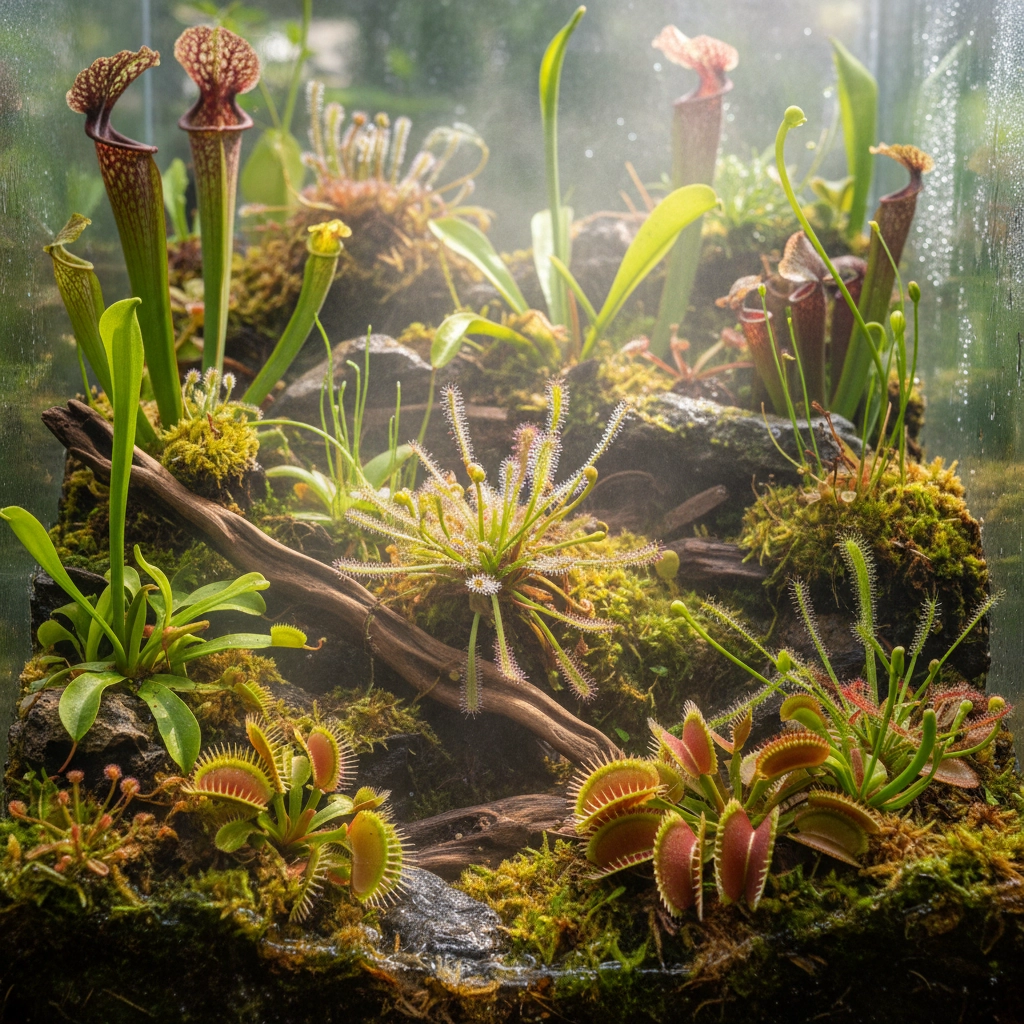
The solution starts with understanding what you're growing. If you're just starting out, I'd recommend picking plants that match your natural climate conditions. Live somewhere with cold winters? Venus flytraps and temperate sundews might be perfect. Warm climate or planning to keep plants indoors? Look into tropical species that are happy with consistent conditions.
For humidity-loving plants, you can create microclimates pretty easily. Group plants together, use humidity trays (shallow dishes filled with water and pebbles), or even set up a small humidifier nearby. Just remember that stagnant, humid air can lead to fungal problems, so you want some gentle air movement too.
I love watching people's faces when they first see a Venus flytrap snap shut on a fly, it's pure magic. But this often leads to the mistaken belief that you need to constantly feed your carnivorous plants, like they're tiny green pets that need regular meals to survive.
Here's the reality check: carnivorous plants are still plants first, hunters second. They get most of their energy from photosynthesis, just like your other houseplants. The insects they catch are basically nutritional supplements, not their main source of food. In fact, overfeeding can actually stress them out and lead to problems like trap rot or fungal issues.
If you're growing your plants indoors where insects are scarce, don't panic. Focus on getting the fundamentals right, proper soil, good light, and pure water, and your plants will be perfectly healthy without catching a single bug. If you want to give them an occasional treat, you can feed them very small insects like fruit flies or tiny beetles, but honestly, it's not necessary.
The exception might be if you're growing plants purely indoors with grow lights and want to see maximum growth and coloration. Even then, feeding should be sporadic and focused on one or two traps at a time, not the whole plant.
This one's ironic: plants that eat bugs can still have pest problems. The insects that carnivorous plants catch (flies, gnats, small beetles) are usually different from the pests that can actually damage them (aphids, thrips, scale insects). It's like the difference between a mousetrap and a mosquito, wrong tool for the job.
The tricky part is that you can't just grab any old pesticide to deal with these problems. Carnivorous plants are sensitive to many common insecticides, and using the wrong treatment can damage their delicate traps and leaves. I've seen people accidentally burn their sundews trying to treat an aphid infestation with regular houseplant pesticides.
Prevention is your best bet here. Good air circulation, appropriate watering (not too wet, not too dry), and keeping your plants healthy overall will prevent most pest issues before they start. If you do spot problems, start with the gentlest treatments first, sometimes a strong spray of distilled water will knock aphids right off.
For persistent pest problems, look for organic, plant-safe treatments specifically labeled as safe for sensitive plants. Neem oil solutions can work, but test them on a small area first. When in doubt, physically removing pests with a soft brush or cotton swab dipped in distilled water is often the safest approach.
If you're feeling a bit overwhelmed by all this, here's my advice: start with beginner-friendly species that are forgiving of mistakes. Cape sundews are practically indestructible and will catch plenty of insects to keep you entertained. Venus flytraps, despite their dramatic reputation, are actually pretty tolerant once you get their basic needs right.
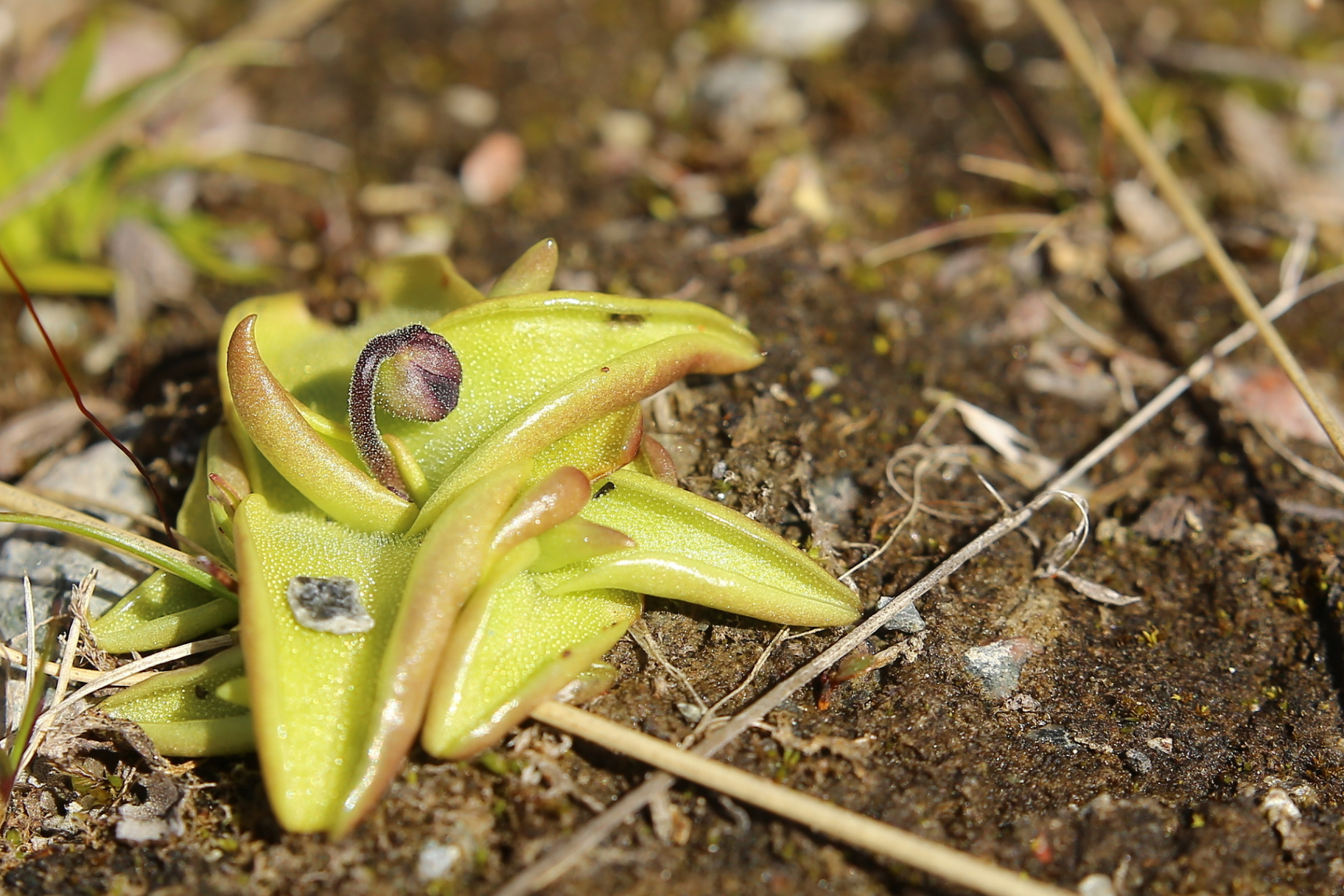
Butterworts (like the one pictured above) are fantastic starter plants because they're relatively low-maintenance while still giving you that satisfying carnivorous plant experience. Their sticky leaves catch small insects naturally, and they're more forgiving of humidity and temperature variations than some other species.
The most important thing to remember is that carnivorous plants aren't actually that difficult, they're just different. Once you understand what makes them tick, caring for them becomes as routine as watering your regular houseplants. Don't get discouraged if it takes a few tries to get everything dialed in. Every successful carnivorous plant grower has killed at least one plant while learning, and that's completely normal.
Focus on mastering one or two species before expanding your collection, and you'll be amazed at how rewarding these incredible plants can be. Trust me, once you see your first Venus flytrap successfully catch and digest a fly, or watch your sundew sparkle with morning dew and trapped gnats, you'll understand why so many of us get completely hooked on these fascinating botanical hunters.
Ready to start your carnivorous plant journey? Check out our beginner-friendly collection to find the perfect starter plants for your home.
Blog scheduled for Thursday, December 5th, 2025
Reminder: Brian, please review and approve this carnivorous plants blog post before it goes live on Thursday!


