
Bladderworts (Utricularia): Unusual Carnivores for Curious Growers
, by Brian Tant, 6 min reading time
, by Brian Tant, 6 min reading time
If you're here, you already know that carnivorous plants are having their moment. While everyone's busy hyping Venus flytraps and pitcher plants (love them, truly), there's a whole side quest of weird, wonderful carnivores that deserve the spotlight. Enter bladderworts: the speed demons of the carnivorous plant world that make a VFT look like it's moving in slow motion.
Bladderworts (genus Utricularia) are basically the aliens of the plant kingdom, and I mean that in the best way. With 220+ species scattered across the globe, these aquatic and semi-aquatic hunters have evolved some of the most sophisticated trapping mechanisms in nature. And here's the twist: once you learn their quirks, they're surprisingly easy-peasy to grow.
Forget everything you think you know about plant anatomy. Bladderworts tossed the botanical rulebook out the window ages ago. No traditional roots, stems, or leaves like "normal" plants. Instead, they run on thread-like structures that do it all—photosynthesis, nutrient absorption, and structural support—like a one-plant band.
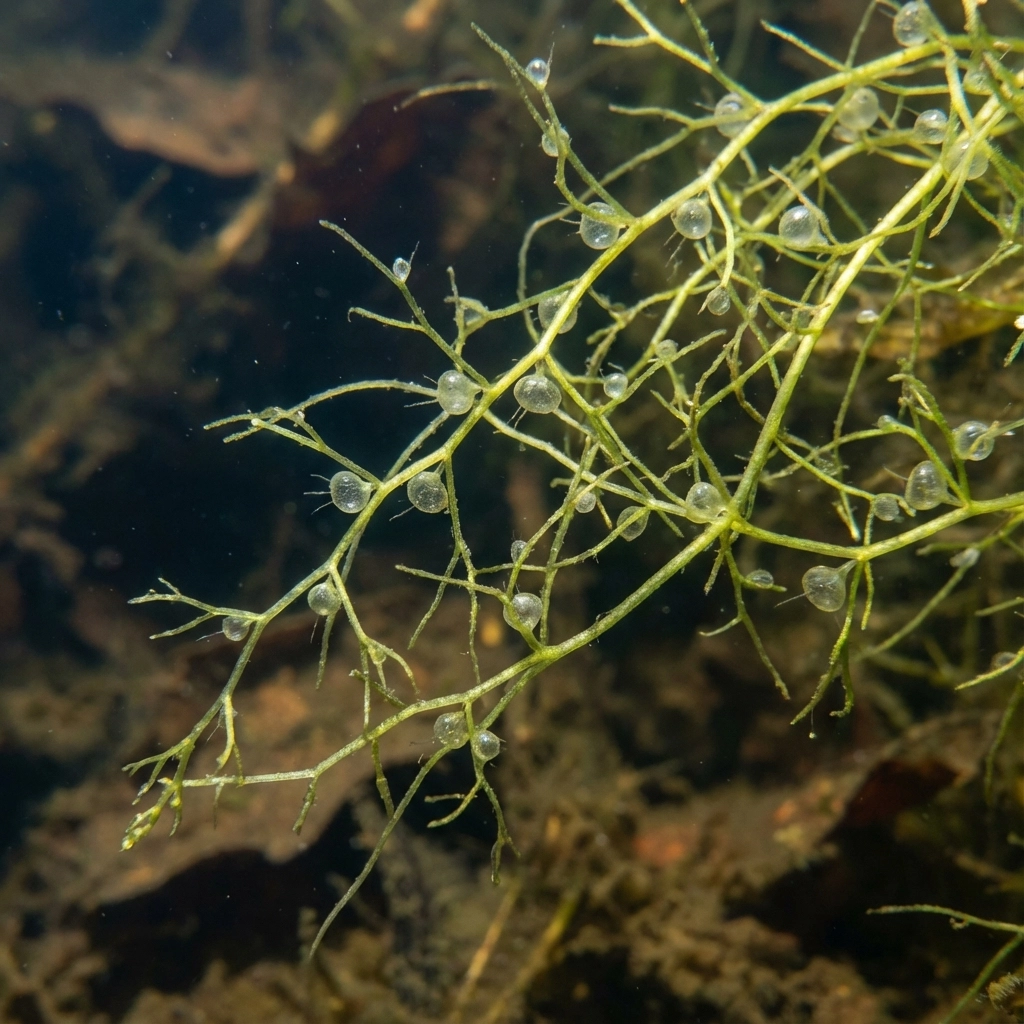
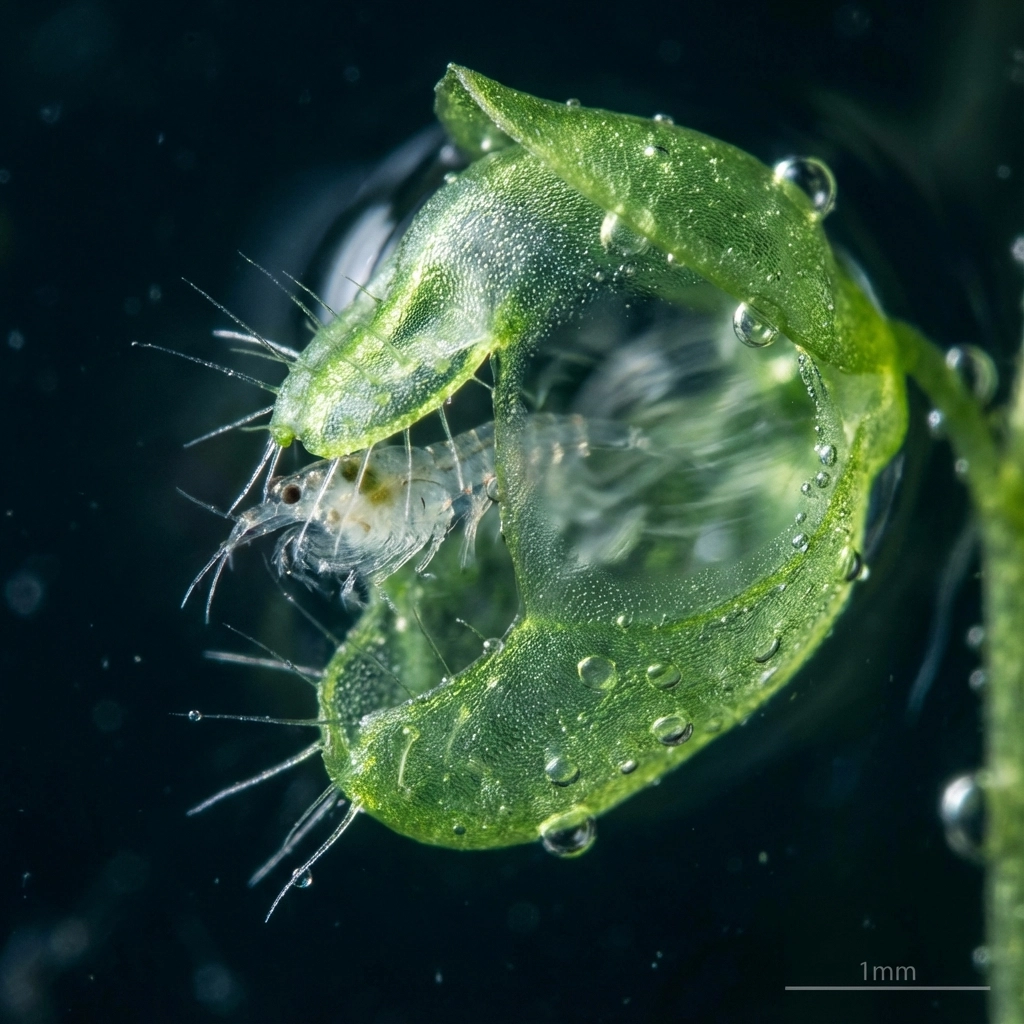
The real magic? Those bladder traps: tiny hollow structures about the size of a pinhead that behave like underwater Shop-Vacs. Each bladder has a flexible door with trigger hairs sticking out, just waiting for an unsuspecting micro-critter to brush past. When that happens—boom—dinner is served faster than a blink. Blink slower. Still faster.
This is where things get delightfully unhinged. Bladderwort traps are ridiculously fast: roughly 0.5 milliseconds to open and about 2.5 milliseconds to close. That's on the order of three times the speed of sound. Your Venus flytrap's snap trap takes about 100 milliseconds by comparison, which feels positively leisurely—no shade, VFTs, we adore you.
How it works: negative pressure. The plant pumps water out of each bladder, creating a vacuum. When tiny organisms like water fleas, mosquito larvae, or other microscopic prey touch those trigger hairs, the trap door pops open and the pressure differential pulls everything inside before you can say "gotcha."
Then the clean-up crew moves in. The plant digests the meal with enzymes in about 15–30 minutes and resets the trap for round two (and three, and four). Think hundreds of tiny, reusable mousetraps that don't need bait—just opportunity.
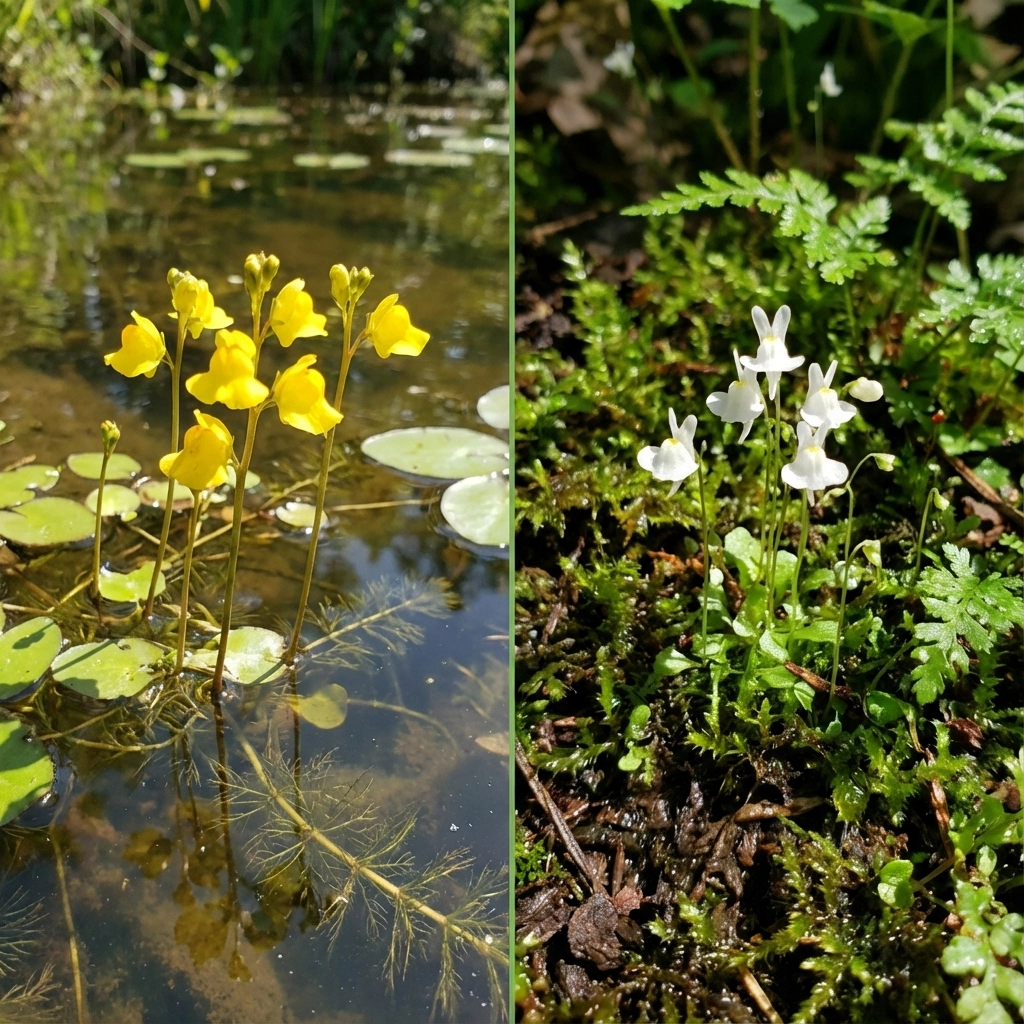
Not all bladderworts live underwater, which surprises a lot of people. While aquatic species are the classic image (floaty green noodles in ponds and lakes), there are also terrestrial species that thrive in boggy, waterlogged soils.
Aquatic Species: Your classic pond dwellers. They float freely or anchor loosely, forming dense mats of thread-like stems loaded with tiny bladders. Common aquatic bladderworts (U. vulgaris, U. macrorhiza) really turn on the charm when they bloom, sending up bright yellow, snapdragon-like flowers several inches above the water. Flower stalks = drama, but make it botanical.
Terrestrial Species: These live in constantly moist soil and tend to be smaller and adorably delicate. Species like U. sandersonii (rabbit ears bladderwort) and U. bisquamata are collector favorites because they grow happily in pots and produce tiny flowers that look suspiciously like little faces. Cute, but also fierce.
Despite their alien vibes, bladderworts are low-maintenance once you dial in the basics. Here's the easy-peasy breakdown (with practical numbers):
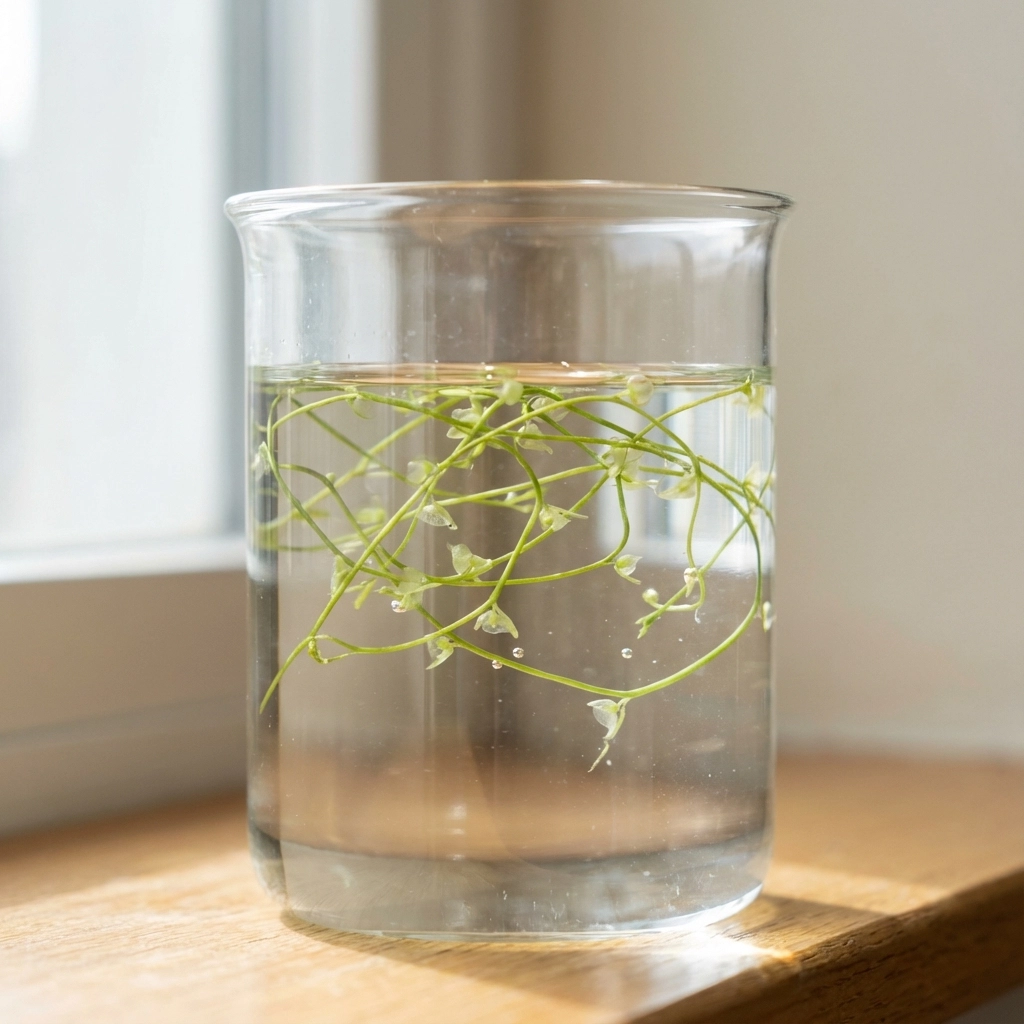
For aquatic species: a glass bowl, nano tank, or full aquarium all work. Keep the water from going stagnant—use a small air pump or gentle circulation (think lazy river, not hot tub jets). Change 25–30% of the water weekly with fresh distilled or RO, and keep TDS under ~50 ppm. Avoid calcareous rocks or substrates that leach minerals; beautiful, but that’s a rant for another time.
For terrestrial species: use a standard carnivorous plant mix—about 50/50 sphagnum moss and perlite. Keep the medium constantly moist, not sopping; think "wrung-out sponge." A humidity sweet spot of 50–70% helps, and a shallow tray of pure water is fine as long as the pot can drain and the medium doesn’t stay soupy.
Fair question: they’re not as Instagram-flashy as a neon pitcher. But bladderworts have serious pros for curious growers:
They're conversation starters: Telling friends your tiny aquatic plant captures prey faster than a blink? Instant party trick.
Low maintenance: Once established, they largely self-manage. No hand-feeding, no complicated dormancy, no humidity acrobatics.
Great for terrariums and aquariums: Terrestrials add a quirky carnivorous element to closed terrariums; aquatics help keep micro-pests in check in aquariums.
Scientific fascination: If you love the "how does this even work?" side of carnivorous plants, these are endlessly watchable. Grab a magnifying glass and you’ve got nature’s tiniest action movie on loop.
Ready to dive into the weird and wonderful? Start with something bulletproof like Utricularia gibba (humped bladderwort) for aquatic setups, or Utricularia sandersonii for terrestrial. Both forgive beginner bobbles and are readily available from carnivorous plant specialists.
Remember: bladderworts aren’t trying to be difficult—they’re just extremely specialized. Maintain soft water (TDS under 50 ppm), provide bright light, and use the right medium, and you’ll get front-row seats to some of the coolest carnivorous behavior out there.
Personally, I think there’s something deeply satisfying about growing a plant that’s basically evolutionary engineering with flowers. Your Venus flytrap might grab the headlines, but your bladderwort is out here setting speed records every single day.
Whether you’re adding to an existing carnivorous plant collection or taking your first step into the oddball side of botany, bladderworts prove just how creative evolution can get when nutrients are scarce. Spoiler: tiny vacuum traps, lightning reflexes, and a whole lot of style are definitely on the menu.


