
Ferns and Moss: The Untold Story of Your Grandparent's Favorite Plants Making a Comeback
, by Brian Tant, 7 min reading time
, by Brian Tant, 7 min reading time
If you've ever wandered through your grandmother's house and noticed those delicate, feathery plants cascading from macrame hangers or nestled in ceramic pots on every windowsill, you've already met the stars of 2026's hottest plant trend. Those weren't just random green things collecting dust, they were ferns and mosses, the unsung heroes of indoor gardening that are now having their moment in the spotlight once again.
It's funny how plant trends work. One decade, everyone's obsessing over massive monstera leaves and towering fiddle leaf figs that take up half your living room. The next, we're all gravitating toward the quiet elegance of plants our grandparents knew by heart. There's something beautifully cyclical about it, like fashion but with chlorophyll.
The story of ferns and moss isn't just about plants, it's about how we live, what we value, and how the wisdom of previous generations sometimes knows exactly what we need before we do.
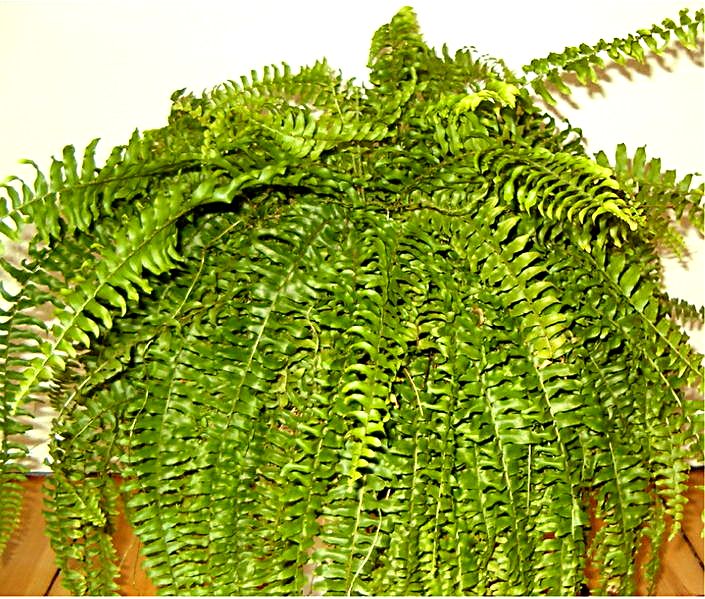
Picture this: it's 1974, and your grandmother is carefully misting her collection of Boston ferns while macrame plant hangers sway gently in the afternoon light. The living room is a cascade of green fronds, moss-filled terrariums dot the coffee table, and everything feels lush despite being indoors. This wasn't just interior decorating, this was a lifestyle.
The 1970s represented the first major houseplant boom in modern history. Ferns, in particular, became the poster children for this movement because they offered something that felt both exotic and achievable. Unlike the finicky orchids or demanding tropical plants that required greenhouse conditions, ferns and mosses had this amazing ability to thrive in the indirect light and moderate humidity of typical homes.
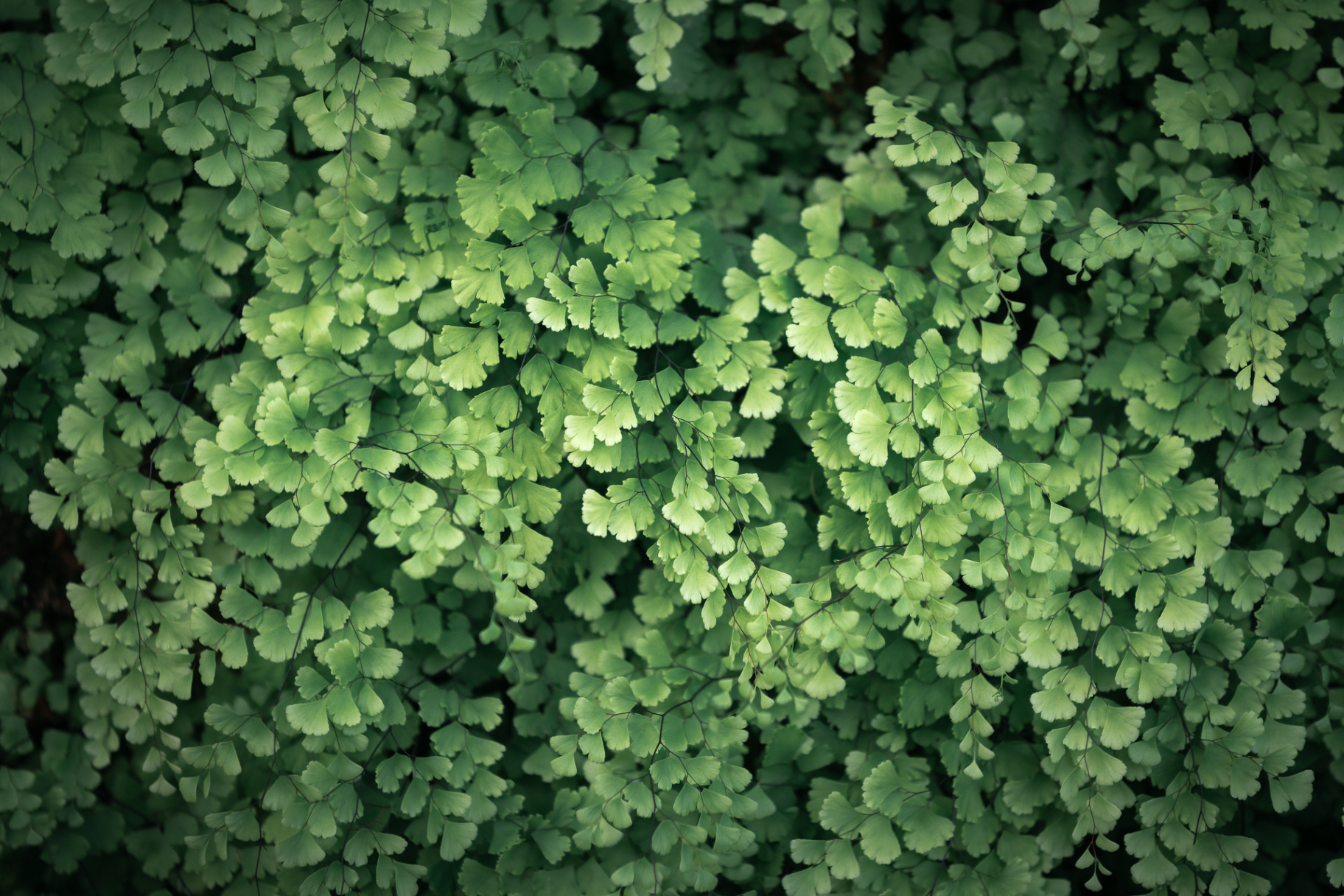
But here's where the story gets interesting. These plants didn't just disappear when the 80s rolled around with their preference for bold, architectural plants. They quietly continued thriving in the homes of people who understood their magic. Your grandmother kept nurturing that maidenhair fern not because it was trendy, but because it worked, it cleaned the air, brought life to dim corners, and asked for very little in return.
Fast-forward to today, and we're living through what you might call the Great Plant Reset. After years of chasing Instagram-worthy statement plants that demanded perfect lighting, precise watering schedules, and more attention than most relationships, plant parents are getting real about what they actually want from their green roommates.
The pandemic changed everything about how we relate to our living spaces. Suddenly, we were spending way more time at home, and those massive plants that looked great in photos started feeling overwhelming in practice. People began downsizing their collections, focusing on plants that genuinely improved their daily lives rather than just their social media feeds.
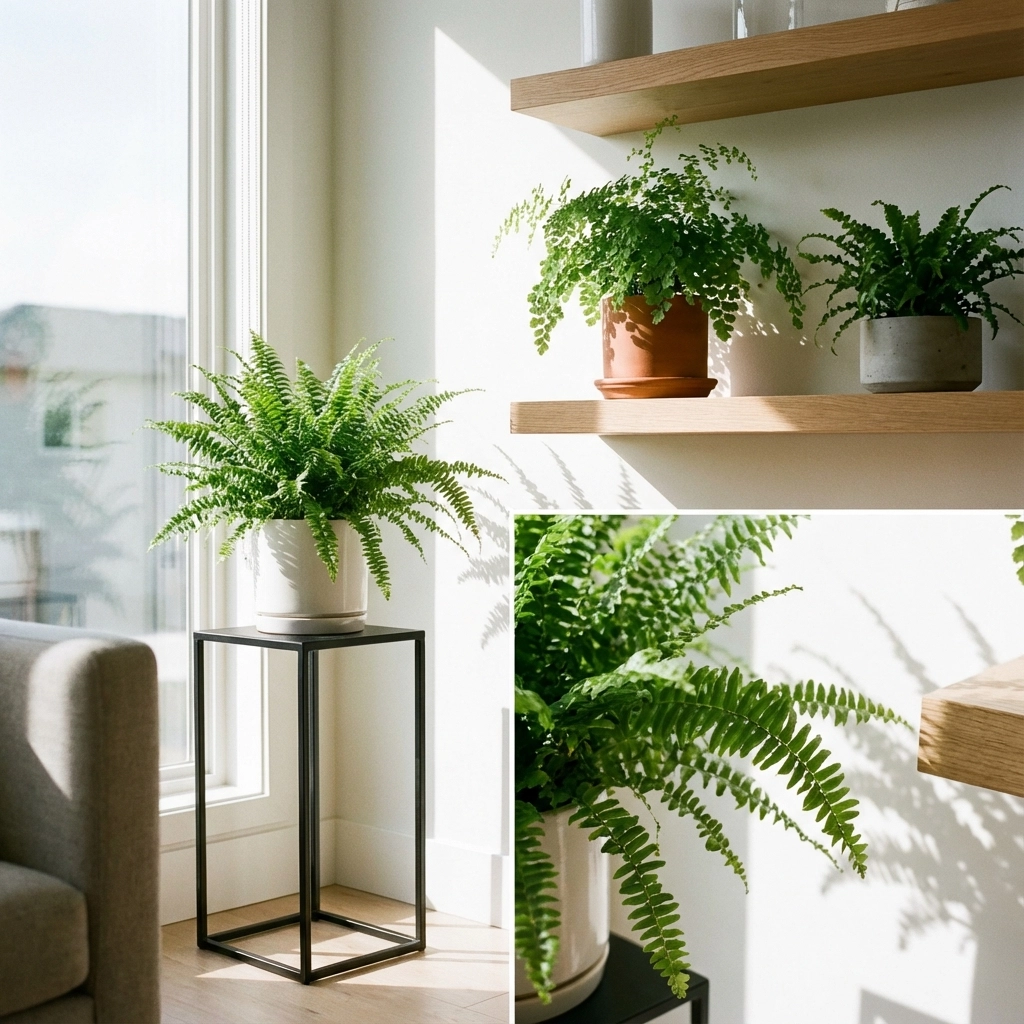
Enter ferns and mosses, the ultimate low-maintenance, high-impact plants that your grandparents had figured out decades ago. These plants excel in the exact conditions that define modern living: smaller spaces, indirect natural light, and owners who want beauty without the stress.
There's something almost magical about how perfectly ferns and mosses align with 2026 living. Take the Button Fern, for instance, this New Zealand native stays compact at just about eight inches tall, making it perfect for apartment dwellers who need every square inch to count. It's like nature designed it specifically for modern urban living.
The humidity requirements that once seemed demanding now feel like a feature, not a bug. With more people investing in humidifiers for their own comfort (hello, dry winter air), ferns and mosses benefit from the same environment that makes us feel better too. It's a win-win situation that your grandmother probably never had to think about: she just knew these plants made her home feel more alive.
Small-leafed varieties are having a particular moment right now. While the plant world spent years obsessing over bigger-is-better foliage, there's been a complete reversal. Delicate fronds and tiny moss formations create this sense of intricate beauty that feels more sophisticated than overwhelming. They're like living jewelry for your space.
What's particularly fascinating about this resurgence is how creative people are getting with traditional plants. Kokedama: those gorgeous Japanese moss balls that suspend plants in mid-air: are having a major moment, especially when featuring trailing ferns. It's ancient technique meeting modern aesthetics, and the results are stunning.
Terrarium culture has exploded too, but not in the way you might expect. Instead of those sealed glass globes that inevitably become moldy disasters, people are creating sophisticated open and closed systems that showcase the intricate beauty of moss and small ferns. These aren't just plant displays: they're living art installations that happen to clean your air.
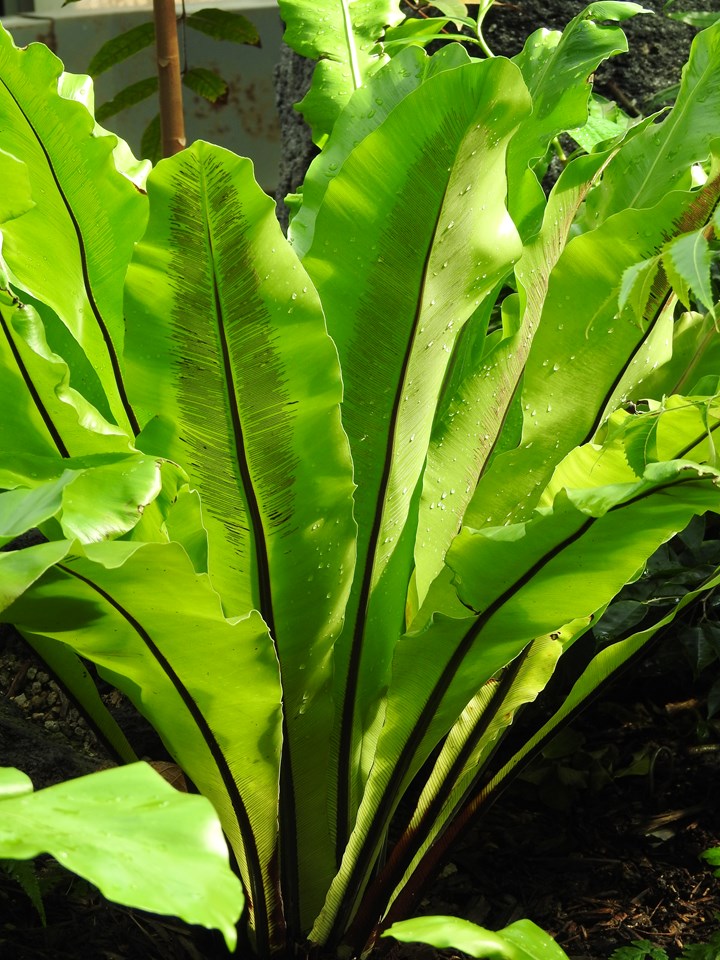
The staghorn fern deserves special mention here. This dramatic epiphyte with its antler-like fronds has captured hearts across social media, though it comes with a caveat that would make your practical grandmother smile: it needs consistently high humidity (above 60%) to truly thrive. Some plants are worth the extra effort, but it's refreshing that the plant community is being honest about care requirements rather than pretending everything is foolproof.
Here's what really makes this trend different from the monstera madness or fiddle leaf fig obsession of recent years: these plants carry emotional weight. When you care for a Boston fern, you're participating in a tradition that spans generations. There's something deeply satisfying about successfully nurturing a plant that your grandmother would recognize and approve of.
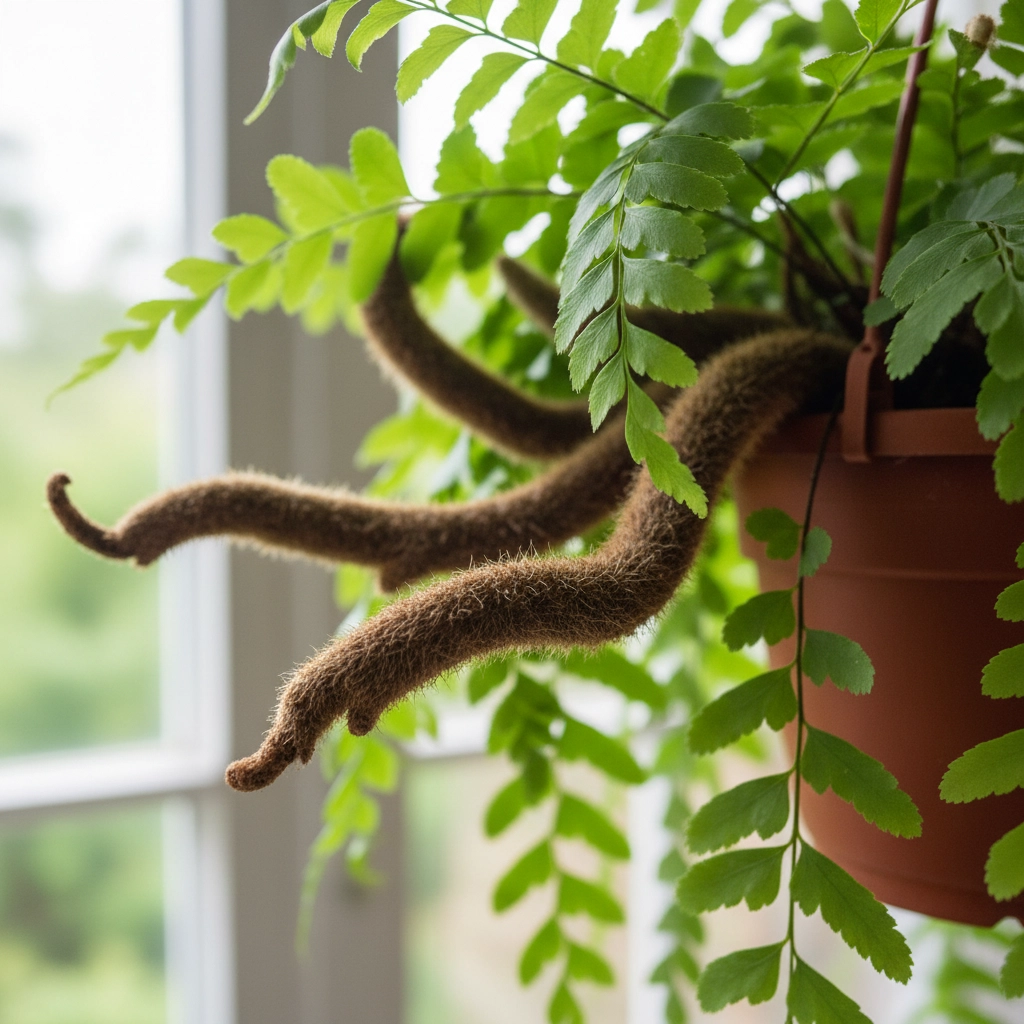
The sensory experience matters too. Ferns and mosses engage your senses in ways that flashier plants don't. The soft texture of moss, the delicate rustling of fern fronds, even the satisfying ritual of misting: these small interactions create a sense of calm that feels increasingly precious in our fast-paced world.
There's also something beautifully democratic about ferns and mosses. While rare aroids can cost hundreds of dollars and require expert-level care, most ferns and moss varieties are accessible both financially and practically. Your local Frond and Fang probably has several species that would thrive in your specific conditions, and you don't need to be a plant influencer to keep them happy.
As we move deeper into 2026, the fern and moss revival shows no signs of slowing down. If anything, it's gaining momentum as more people discover the simple pleasure of caring for plants that genuinely want to succeed in your home. These aren't plants that require you to change your lifestyle: they adapt to yours.
The beauty of this trend lies in its sustainability, both environmental and personal. Ferns and mosses are often easier to propagate and share, creating communities of plant parents who trade clippings and growing tips. They're plants that encourage the kind of slow, thoughtful approach to indoor gardening that actually sticks around long-term.
Your grandmother probably never thought of herself as ahead of her time, but looking at the current plant landscape, she absolutely was. Those humble ferns and patches of moss weren't just filling empty corners: they were creating the template for mindful, sustainable indoor gardening that we're only now fully appreciating.
The next time you see a delicate maidenhair fern or a thriving patch of sheet moss, take a moment to appreciate that you're looking at the future of houseplants: which happens to look remarkably like their past. Sometimes the best trends are the ones that never really left; they just waited patiently for us to come home.


