
The Ultimate Guide to Indoor Moss Care: Everything You Need to Succeed
, by Brian Tant, 8 min reading time
, by Brian Tant, 8 min reading time
Many people think of moss as a background character in the plant world, something that just happens to be there on a damp rock or a shaded tree trunk. In the world of Frond and Fang, moss is the main event. It represents a specific aesthetic, a "Bog Dweller" vibe that brings a sense of ancient, quiet life into your living space. Moss is not just a plant; it is a mood. It feels like velvet to the touch and looks like a miniature forest from a fantasy novel. Bringing that magic indoors requires a shift in how you think about plant care because moss does not follow the rules of your typical Ficus or Pothos. It is a bryophyte, meaning it lacks traditional roots and instead uses tiny anchors called rhizoids. This fundamental difference changes everything from how you water it to where you place it in your home.
When you start your indoor moss journey in 2026, you are stepping into a hobby that rewards observation and patience. You are creating a micro-ecosystem that thrives on consistency. The goal is to mimic the cool, damp floor of a shaded woodland or the edges of a misty bog. If you treat moss like a desert succulent, it will turn into a brown, crispy memory in days. If you treat it like a swamp lily, it might turn into a mushy, moldy mess. Success lies in the delicate balance of four key factors: moisture, humidity, light, and air. Finding that sweet spot is what turns a casual plant owner into a true moss enthusiast.
The first thing to realize is that moss does not drink through its "roots" the way other plants do. Since it lacks a vascular system, it absorbs water and nutrients directly through its leaves. This is why the air around the moss is often more important than the ground beneath it. High humidity is the lifeblood of a healthy moss colony. In a typical modern home, the air is often too dry, especially when the air conditioning or heater is running. You have to create a microclimate that traps moisture close to the plant surface. This is where the aesthetic of the "Bog Dweller" truly comes to life, using glass vessels, cloches, or terrariums to maintain that essential misty atmosphere.
Light is another area where many beginners stumble. While moss is often associated with dark, spooky forests, it actually needs light to photosynthesize and stay vibrant green. The trick is that it hates direct sunlight. If you place your moss on a windowsill where the afternoon sun hits it directly, the glass will act like a magnifying glass and cook the delicate tissues. Moss prefers bright, indirect light. Think of the light that filters through a thick canopy of trees. In your home, a north-facing window or a spot a few feet away from a bright east-facing window is ideal. You want the light to be present but soft, illuminating the green without providing intense heat.
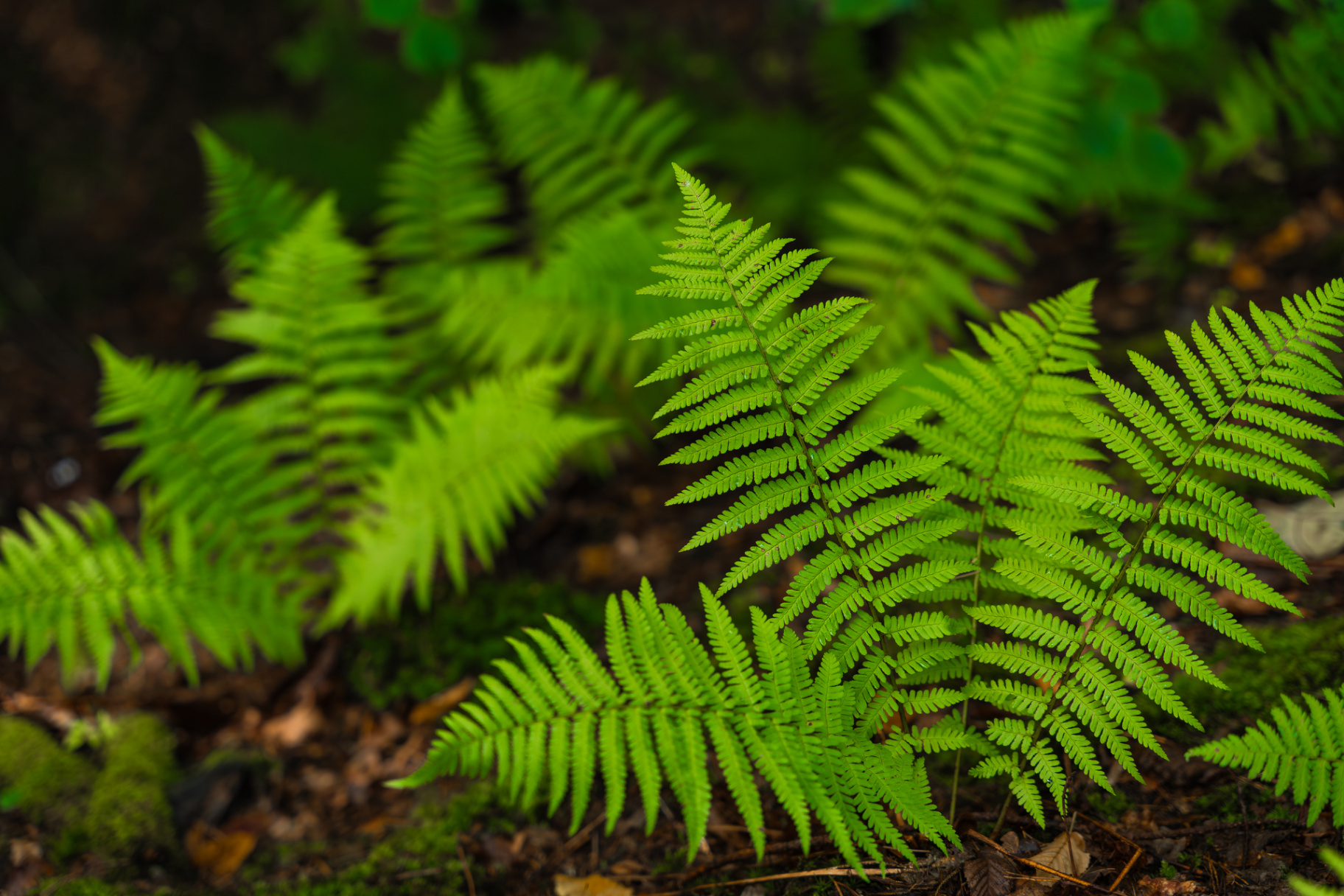
Photo by Frond and Fang via Marketing Assets (License: CC0/Public Domain).
There is a frequent debate among indoor moss keepers about whether to mist or soak. The answer is usually both, but at different times. Misting is your primary daily or every-other-day tool. Using a fine-nozzle mister, you want to coat the surface of the moss until it glistens with tiny jewels of water. This keeps the leaves hydrated and maintains the immediate humidity. However, misting only affects the surface. Over time, the substrate underneath can become bone dry, which causes the moss to lose its grip and begin to fail.
Soaking is a deeper intervention. Every week or two, depending on your home's environment, you might need to ensure the substrate is sufficiently damp. This does not mean leaving the moss in standing water, which can lead to rot and anaerobic bacteria. Instead, you want the base layer to feel like a wrung-out sponge. If your moss is in a tray or an open container, a gentle bottom-watering approach works well. Place the container in a shallow dish of water for a few minutes, let the substrate wick up the moisture, and then drain any excess. Always use distilled water or rainwater for your moss. The minerals and chemicals in tap water, like chlorine and fluoride, can slowly poison these sensitive plants, causing them to turn yellow or brown over time.
One of the biggest mistakes you can make is using standard potting soil for your moss. Most potting mixes are designed for plants with deep roots and contain fertilizers that are far too strong for moss. Some even contain "miracle" additives that can chemically burn the delicate rhizoids. Moss prefers a substrate that is acidic and low in nutrients. A mixture of peat moss, clay, and bits of charcoal is often the best foundation. The charcoal is especially helpful in indoor setups as it helps filter the water and prevents the "sour" smell that can sometimes develop in damp environments.
When you are setting up your moss, you want to press it firmly into the substrate. Since it doesn't have roots to dig deep, it relies on physical contact to stay hydrated and stable. If there are air pockets between the moss and the substrate, those sections will dry out faster and potentially die off. Think of it like laying carpet. You want a smooth, firm connection across the entire surface. This tactile process is part of the fun of being a "Bog Dweller," getting your hands into the cool, damp earth and meticulously placing each tuft of green.
If you find that your home is simply too dry for open-air moss, the "Terrarium Hack" is your best friend. You don't need a fancy, expensive glass case to make this work. A simple clear glass jar with a lid or even a plastic propagation bin can serve as a perfect moss home. By enclosing the moss, you create a self-sustaining cycle where water evaporates, condenses on the sides of the container, and drips back down to the plants. This keeps the humidity high without you having to mist every few hours.
The secret to a successful moss terrarium is ventilation. Fully sealed jars often lead to stagnant air and mold growth. The hack is to use a container with a lid that you can slightly offset or one that has small ventilation holes. This allows for a tiny bit of air exchange while keeping the moisture locked in. If you see heavy fogging on the glass where you can't even see the plants, it is too wet and needs to be aired out. If the glass is completely clear and the moss looks dull, it needs a light misting. Finding that balance of morning condensation that clears by mid-day is the hallmark of a pro.
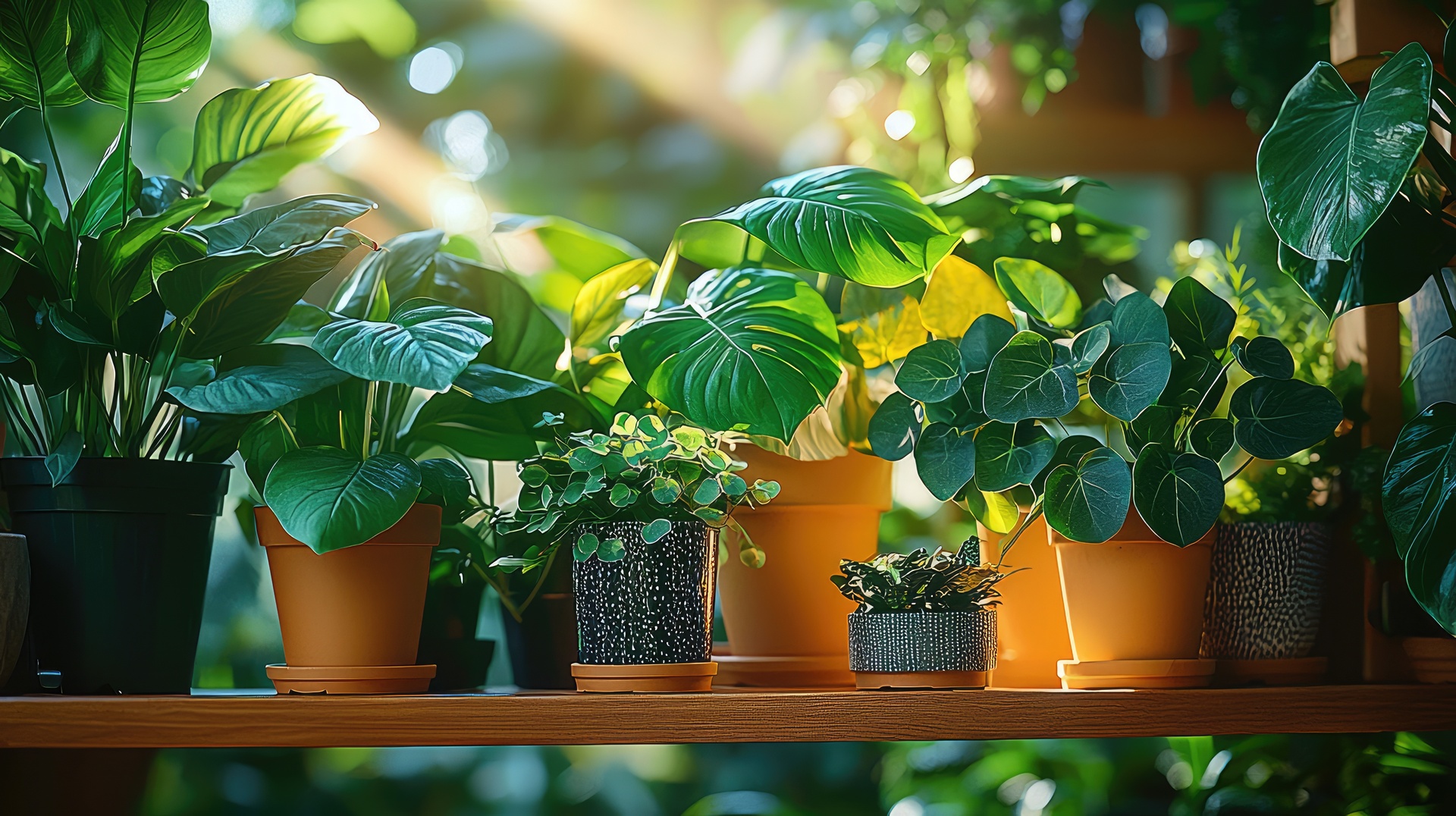
Image: Frond and Fang (CC0/Public Domain).
As you grow your collection, you might start noticing the different textures and growth habits of various mosses. Some grow in thick, rounded cushions, while others spread out like a shaggy carpet. Mixing these varieties creates visual interest and mimics the natural diversity found in the wild. You can also pair your moss with other moisture-loving plants like ferns or even small carnivorous species. At Frond and Fang, we love seeing how customers integrate moss into their larger indoor jungles, often using it as a "living mulch" around the base of larger tropical plants to help maintain humidity.
Expert guidance is always available here at Frond and Fang. We specialize in these exotic, often overlooked species because we believe every home deserves a bit of that boggy magic. Whether you are starting with a single cushion of moss in a jar or building a massive moss-covered wall, the principles remain the same. Respect the moisture, manage the light, and listen to what the plants are telling you. When your moss is happy, it will reward you with a deep, vibrant green that no synthetic rug or painting can ever match.
Care note: This is general guidance for indoor moss care. Use only insect-safe practices and avoid fertilizers or chemicals unless they are specifically labeled safe for sensitive bryophytes. Standing water and high humidity can increase mold or algae, so monitor your setup and adjust ventilation as needed. If you have pets or kids, keep your moss displays and any glass containers out of reach to ensure everyone stays safe.
Building your indoor bog is a journey of 2026 that connects you back to the earth in a very direct, tactile way. It is about slowing down and appreciating the small things. Next time you see a patch of green on your walk, take a moment to look closely. Then, come home and give your indoor moss a gentle misting, knowing you are preserving a little piece of that wild world right on your desk. Brian will be checking in on the blog soon to see how your moss gardens are growing, so feel free to share your progress and keep that bog energy alive.


