
Stop Wasting Time on Gnat Sprays: 5 Carnivorous Plants for Beginners That Actually Work
, by Brian Tant, 8 min reading time
, by Brian Tant, 8 min reading time
Image: Frond and Fang (CC0/Public Domain).
You walked into your living room this morning and saw them again. A tiny, erratic cloud of black specks danced over the damp soil of your favorite Monstera. You reached for that bottle of chemical spray you bought last month, but deep down, you knew it would only provide a temporary fix while making your home smell like a science lab. Fungus gnats are the absolute bane of houseplant lovers in 2026, appearing whenever your soil stays just a little too moist for a little too long. They are persistent, annoying, and seemingly immune to the half-hearted efforts of sticky yellow plastic traps that look like neon eyesores in your beautiful indoor jungle.
Nature already invented a better solution millions of years ago. Carnivorous plants evolved in nutrient-poor bogs where they had to supplement their diet with insects to survive. They do not just sit there looking pretty; they are highly specialized hunters that view your fungus gnat problem as a five-course meal. Bringing these "gnat assassins" into your home transforms your pest control from a chore into a fascinating biological display. You get to stop worrying about larvae in the soil and start enjoying the sight of your plants doing the hard work for you.
Pinguicula, often called Butterworts or simply "pings," are arguably the most effective weapon in your arsenal against the common fungus gnat. These plants look like innocent succulents with flat, rounded leaves that often blush pink or purple in bright light. Their secret lies in the thousands of microscopic, glue-tipped hairs that cover their leaf surfaces. When a gnat lands on a ping, it is instantly trapped in a greasy substance that acts exactly like living flypaper. The plant then releases digestive enzymes to break down the insect and absorb its nutrients.
These plants are particularly useful because many species hug the soil surface. Fungus gnats spend most of their time near the dirt where they lay their eggs, so a well-placed Pinguicula intercepts them right as they emerge. You can tuck a small pot of butterworts right next to your gnat-prone tropicals or even set them directly on top of the soil of larger plants. They are remarkably easy for beginners because they do not require the intense bog conditions that some other carnivorous species demand. As long as you give them bright light and keep their feet slightly damp, they will happily sit there and clear the air for you.
Drosera, or Sundews, offer a more dramatic approach to pest control. If Pinguicula is the silent flypaper, Drosera is the sparkly death trap. Their leaves are covered in long tentacles topped with glistening droplets of mucilage that look like morning dew. This "dew" is actually a powerful adhesive that is even stickier than the glue on those plastic traps. A gnat that touches a single drop is usually doomed, as the surrounding tentacles will often curl inward to maximize contact with the prey. It is a slow, fascinating process to watch, and a single healthy Sundew can catch dozens of gnats in a single week.
The Cape Sundew, or Drosera capensis, is a legendary choice for anyone new to this hobby. It is incredibly hardy and reproduces quickly, allowing you to eventually create a dense "net" of sticky plants throughout your collection. You might want to check out our beginner’s guide to Drosera care to see just how many varieties can fit into your home. These plants thrive in 2026 indoor environments when placed in a sunny window or under a simple grow light. They provide a constant, shimmering defense line that catches everything from gnats to the occasional fruit fly that wandered in from the kitchen.
Sarracenia, the North American Pitcher Plants, are better suited for your sunny windowsills or even an outdoor patio bog. These plants do not use sticky leaves to catch their prey. They grow tall, elegant tubes with a slippery rim and a pool of digestive fluid at the bottom. While they are often associated with catching larger flies and wasps, they are surprisingly effective at luring in gnats with sweet-smelling nectar. Once a gnat loses its footing on the waxy lip of the pitcher, it slides down into the depths where downward-pointing hairs prevent any hope of escape.

Photo by USGS via Public Domain (License: CC0 1.0). [https://www.usgs.gov/media/images/sarracenia-purpurea-northern-pitcher-plant]. Changes: none.
You should consider Sarracenia if you have a massive gnat population or if you want to add some serious height and architectural interest to your plant shelf. These plants are built for high-volume catching. If you want to dive deeper into their specific needs, our overview of Pitcher Plant basics covers everything from their love of full sun to their winter requirements. They are the heavy hitters of the carnivorous world, and seeing a pitcher stuffed to the brim with gnats is one of the most satisfying sights for a frustrated gardener.
Venus flytraps are the most famous carnivorous plants in the world, and they deserve a spot on any beginner's list. You should know, however, that they are not the "surgical strike" gnat killers that sundews are. A fungus gnat is often too small to trigger the hairs inside a flytrap's maw, meaning the plant might ignore them entirely in favor of a juicy housefly or spider. Despite this, flytraps are a fantastic entry point for learning how carnivorous plants work. They teach you the fundamental lessons of distilled water and high light that all these species share.

Image: Vecteezy (CC0/Public Domain).
Owning a Venus flytrap is a rite of passage for any exotic plant enthusiast. They are great for catching larger pests that occasionally hitch a ride on your indoor plants. If you are worried about the reputation flytraps have for being difficult, take a look at our guide on common flytrap mistakes. You will find that once you stop treating them like a standard pothos, they are actually quite resilient and rewarding. They act as a gateway drug to the world of exotic greenery, usually leading you right back to the more specialized gnat-hunters like pings and sundews.
Nepenthes, or Tropical Pitcher Plants, round out the list as the most visually stunning option for hanging displays. These plants grow spectacular, colorful pitchers that dangle from the tips of their leaves like ornate lanterns. They are perfect for catching larger flying insects and even the stray gnat that ventures too high into the canopy of your plant room. Unlike the Sarracenia which love the sun, Nepenthes often prefer the same bright, indirect light that your ferns and philodendrons enjoy. They look incredible when hung in a bathroom or near a kitchen window where humidity is naturally higher.
Success with any of these plants comes down to two simple rules that differ from your standard houseplant care. Most carnivorous plants evolved in places where the water was pure and the soil was essentially devoid of nutrients. This means you must use distilled water, rainwater, or reverse osmosis water. Your tap water contains minerals and salts that will slowly poison their sensitive roots. You also want to embrace the "tray method" for most bog-dwelling species. Simply place your pots in a shallow tray filled with an inch of pure water and let the plant drink from the bottom up. This keeps the soil consistently moist without you having to guess when it is time to water.
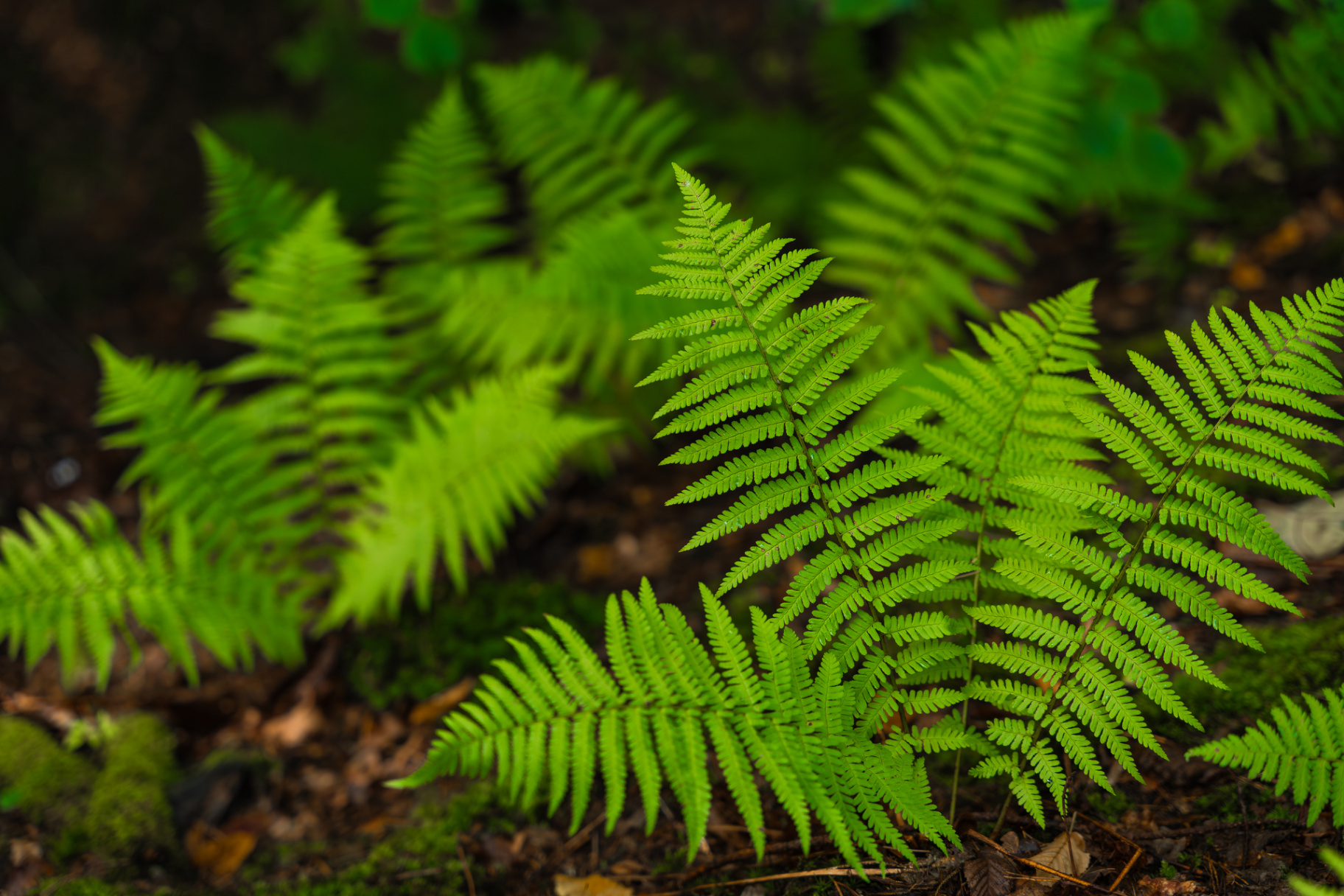
Image: Frond and Fang (CC0/Public Domain).
Building a small carnivorous corner in your home does more than just kill gnats. It changes the way you interact with your indoor garden. Instead of reaching for a bottle of poison every time you see a bug, you start to view those bugs as free fertilizer for your exotic collection. You will find yourself checking the leaves of your Pinguicula with a magnifying glass just to see what they caught overnight. It is a far more rewarding hobby than scrubbing gnat larvae off a saucer or spraying stinky oils on your beautiful foliage.
Care note: This is general guidance for carnivorous plant care. Use only insect-safe practices and avoid fertilizers or “miracle” additives unless they’re specifically labeled safe for carnivorous plants. Standing water and high humidity can increase mold or algae: monitor and adjust as needed. If you have pets or kids, keep plants and any feeder insects out of reach.
Stop letting fungus gnats dictate how you enjoy your home in 2026. You can ditch the chemicals and the ugly yellow stickers today. Head over to Frond and Fang to grab a "gnat assassin" of your own and watch your pest problem disappear into the sparkly, sticky, and beautiful world of carnivorous plants.


