Pitcher Plants Unveiled: Sarracenia Basics, Care Tips & Why Collectors Love Them
, by Brian Tant, 5 min reading time
, by Brian Tant, 5 min reading time
You already know the thrill of carnivorous plants (welcome to the club). While Venus flytraps (VFTs) get all the headlines for their snap-trap theatrics, North American pitcher plants (Sarracenia) quietly steal the show with elegant engineering and standout looks. Cold-hardy, dramatic, and gluttonous for bugs, they’re a collector favorite for being both gorgeous and wildly functional.
Found natively from northern Florida up through New England, Sarracenia have been refining their craft for millions of years. Unlike their chomp-happy cousins, these plants take the slow-and-clever route to dinner. Think less “bite” and more “sophisticated bug funnel.”
Here’s the fun part. Each “pitcher” is a highly modified leaf—nature’s version of a beautifully designed gadget, but for insects.
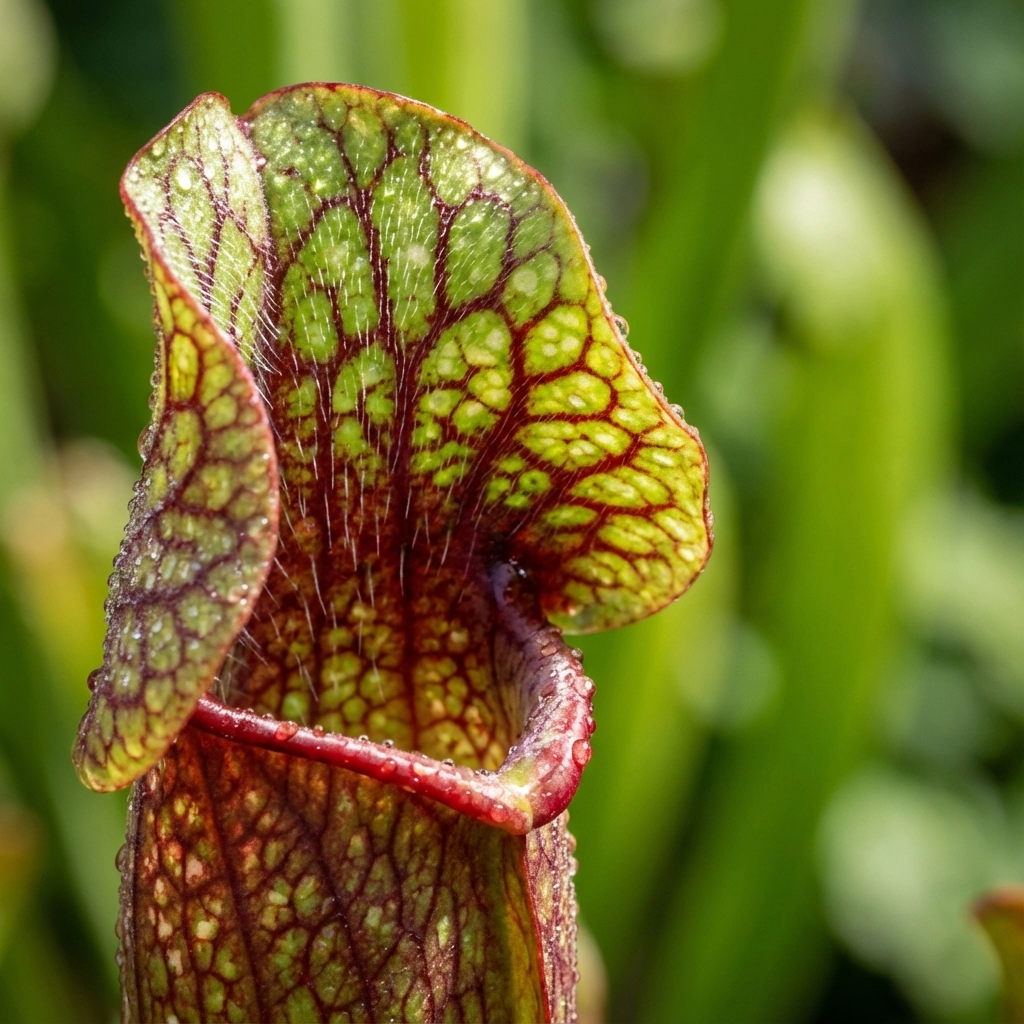
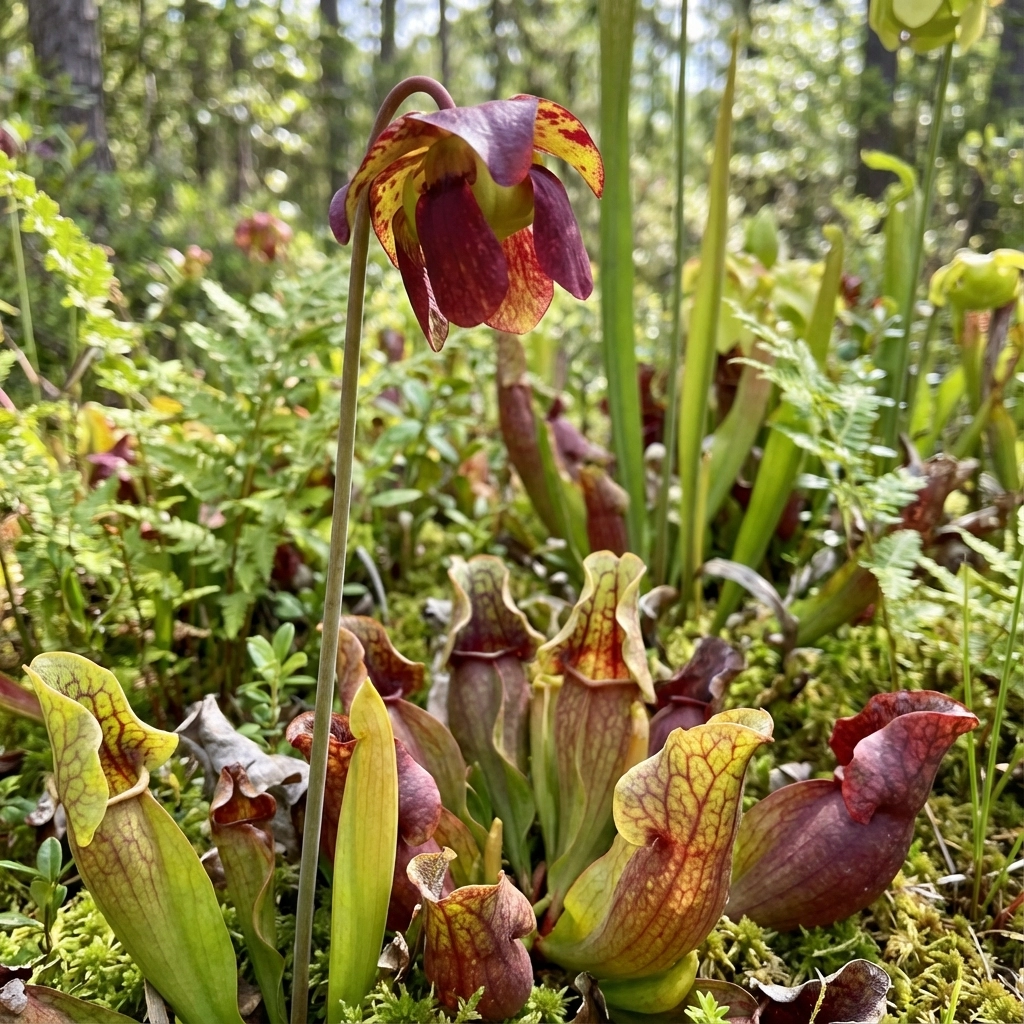
First, the lure. Pitchers offer sweet nectar around the rim—basically the world’s most dangerous welcome mat. Add in flashy red veining and colorful hoods that read “all-you-can-eat” to pollinators-on-the-go. Some species even sport semi-transparent “windows” that trick insects into flying toward a fake exit. Mildly devious? Sure. Effective? Absolutely.
Then comes the slide. The rim gets slick when wet (spoiler: it’s usually wet), so one moment an ant is snacking and the next—whoosh—down the tube. Inside, downward-pointing hairs make climbing out a non-starter. It’s a bug-sized water slide with no stairs back up.
Finally, dinner is served. Digestive enzymes break prey down into a nutrient smoothie the plant can absorb. Some species even produce a paralyzing toxin called coniine (yes, the same compound found in poison hemlock) to keep wiggly meals from staging a last-minute escape.
This genus has range. From petite 6-inch charmers to showy 3-foot towers, there’s a look and a footprint for every space.
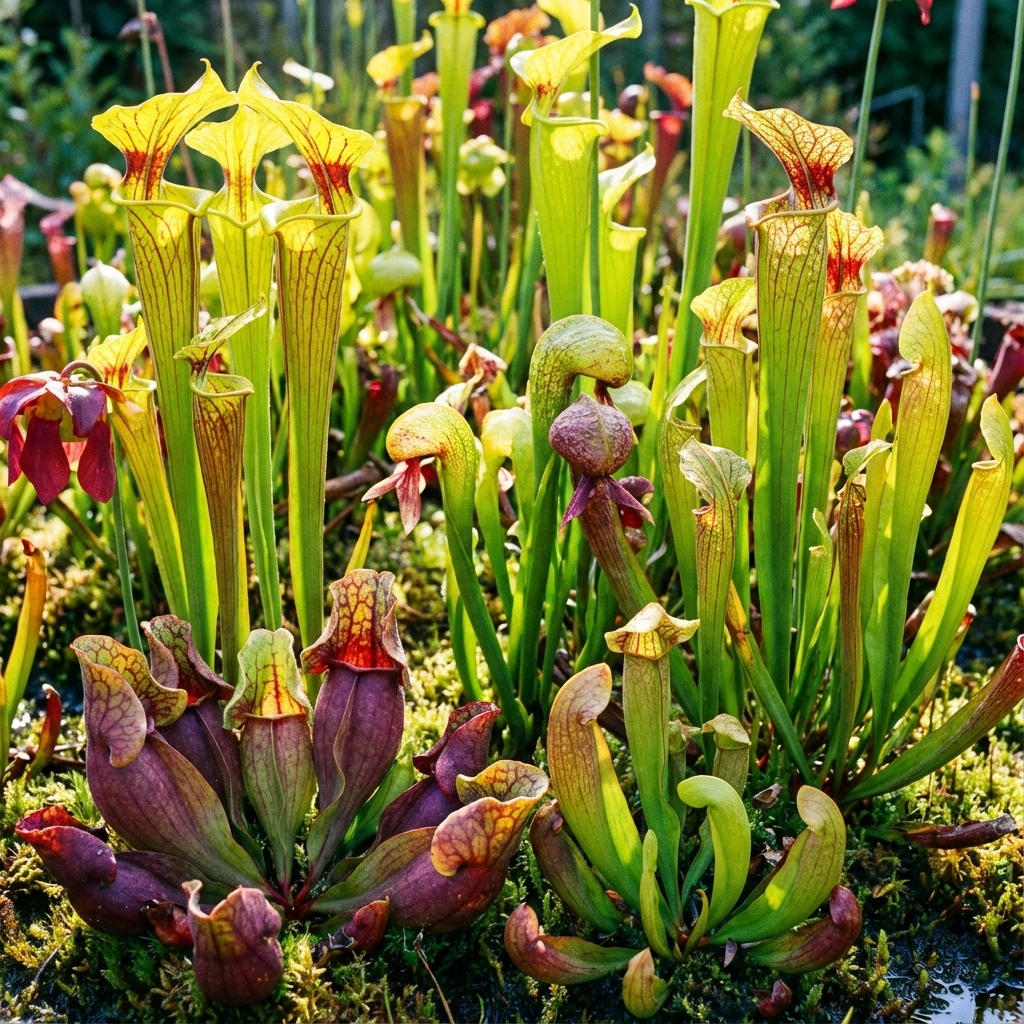 Sarracenia will readily interbreed, which has given rise to hundreds, if not thousands of cultivars. Some of the more common varieties include, but are in no way remotely limited to:
Sarracenia leucophylla (White Trumpet, Crimson Pitcher) stays on the down low during the main growing season but goes full out when fall rolls in. One of the tallest varieties. Assertive pruning during the late summer will keep it from overcrowding and really let those pitchers get some height.
Sarracenia flava (Yellow Trumpet) is the group’s showoff. Golden-green pitchers up to ~30 inches tall make them the skyscrapers of the carnivorous plant world: bold, bright, and impossible to ignore.
Sarracenia purpurea (Purple Pitcher Plant) is your cold-hardy champ, native even to places like New York. Shorter and stockier, it develops rich purple-red tones in high light—like a plant that found the perfect lighting filter.
Sarracenia minor keeps it compact for small-space growers (5–14 inches). That curved hood and the vertical “wing” along the front make it instantly recognizable and endlessly photogenic.
Sarracenia alata (Pale Pitcher Plant) brings a clean, pale yellow-green look and tops out around 2 feet. A spring grower that loves an early-season glow-up.
And the colors—red, purple, white, green, yellow, copper, and mashups galore—look like someone gave nature a paint set and said “go wild.” Judith Hindle is by far my favorite. They're not hard to find, but we probably won't sell them because I can't resist pulling them for my own garden.
Before you imagine diva-level maintenance, breathe. Once you dial in the basics, Sarracenia are easy-peasy.
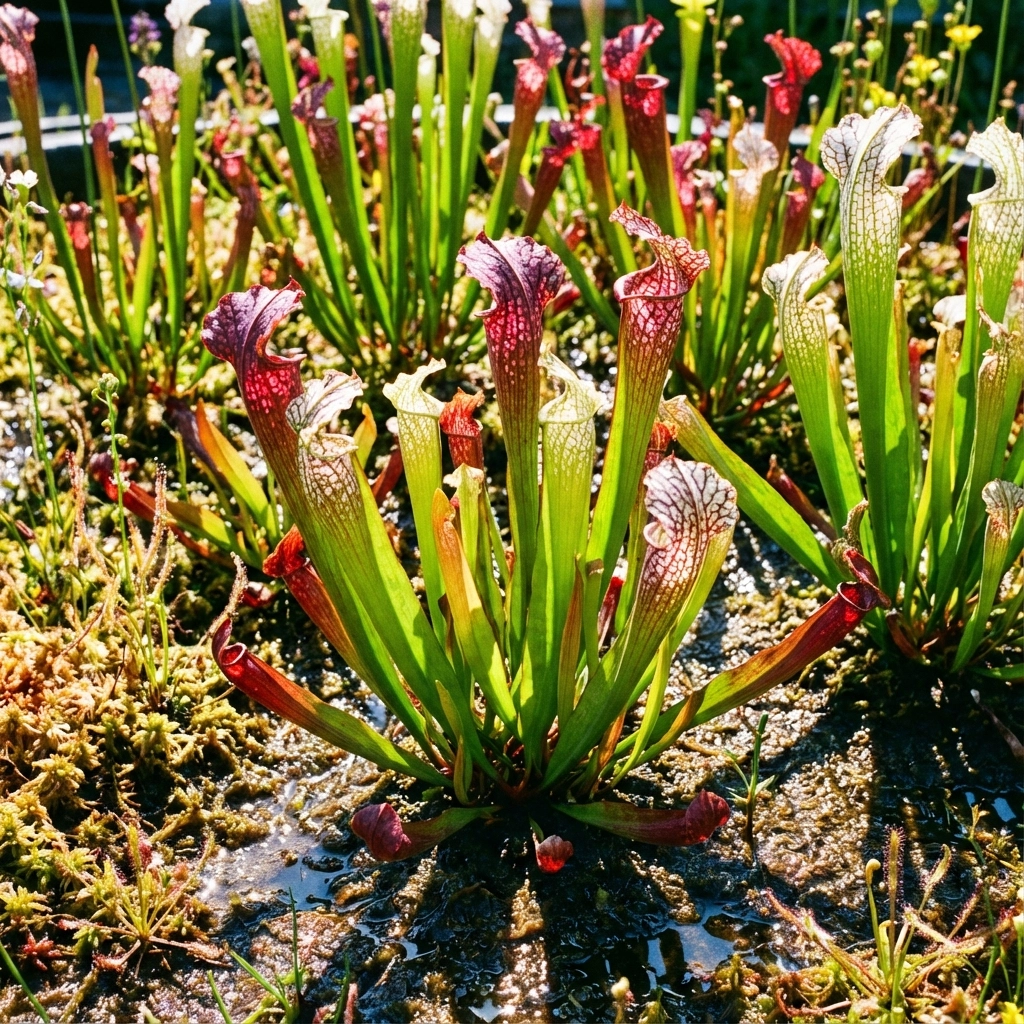
Follow these main-splainy tips, and you’ll have colorful, sturdy pitchers doing their thing all season.
Let’s be honest: it’s not only the bug diet (though yes, that’s half the fun).
Also, unbeatable conversation starters. Tell a friend your plant just handled a wasp and enjoy the double-take.
Bottom line: Sarracenia offer everything a collector craves: striking visuals, fascinating biology, reasonable care, and endless variety. Whether you’re new to carnivorous plants or adding to a seasoned lineup, these North American natives deserve a spot in your collection.


