
Moss Vs Ferns: Which Low-Light Legend is Better for Your Home?
, by Brian Tant, 8 min reading time
, by Brian Tant, 8 min reading time
If you are here, you already know the struggle of trying to bring life into those awkward, shadowy corners of your home where the sun rarely dares to venture. We have all stood in that one hallway or stared at that north-facing bookshelf thinking a plant would look perfect there, only to realize that most leafy roommates would give up the ghost within a week. That is where our low-light legends come into play. Today, we are settling the ultimate score between two of the most ancient and resilient plant groups on the planet: moss and ferns. Both offer a lush, primeval vibe that can transform a sterile apartment into a prehistoric sanctuary, but they go about their business in very different ways. Choosing between them isn't just about which shade of green you prefer; it is about matching their unique biological quirks to your specific lifestyle and the actual humidity levels of your living room.
Ferns are often the first thing people think of when they imagine a "low-light" plant. They have been the darlings of indoor gardening since the Victorian era, and for good reason. A well-placed fern brings an architectural elegance to a room that few other plants can match. From the delicate, swaying fronds of a maidenhair to the bold, leathery leaves of a bird’s nest fern, they offer a variety of textures that feel both exotic and deeply comforting. Biologically speaking, ferns are vascular plants, which means they have a sophisticated internal plumbing system of roots, stems, and leaves. This structure allows them to grow much taller and more substantial than their mossy cousins. If you are looking for a plant that fills a corner and makes a statement, a fern is likely your best bet. You can explore some of our favorite varieties in our guide to the best ferns for indoors, which covers those humidity-loving legends that actually manage to thrive in modern homes.
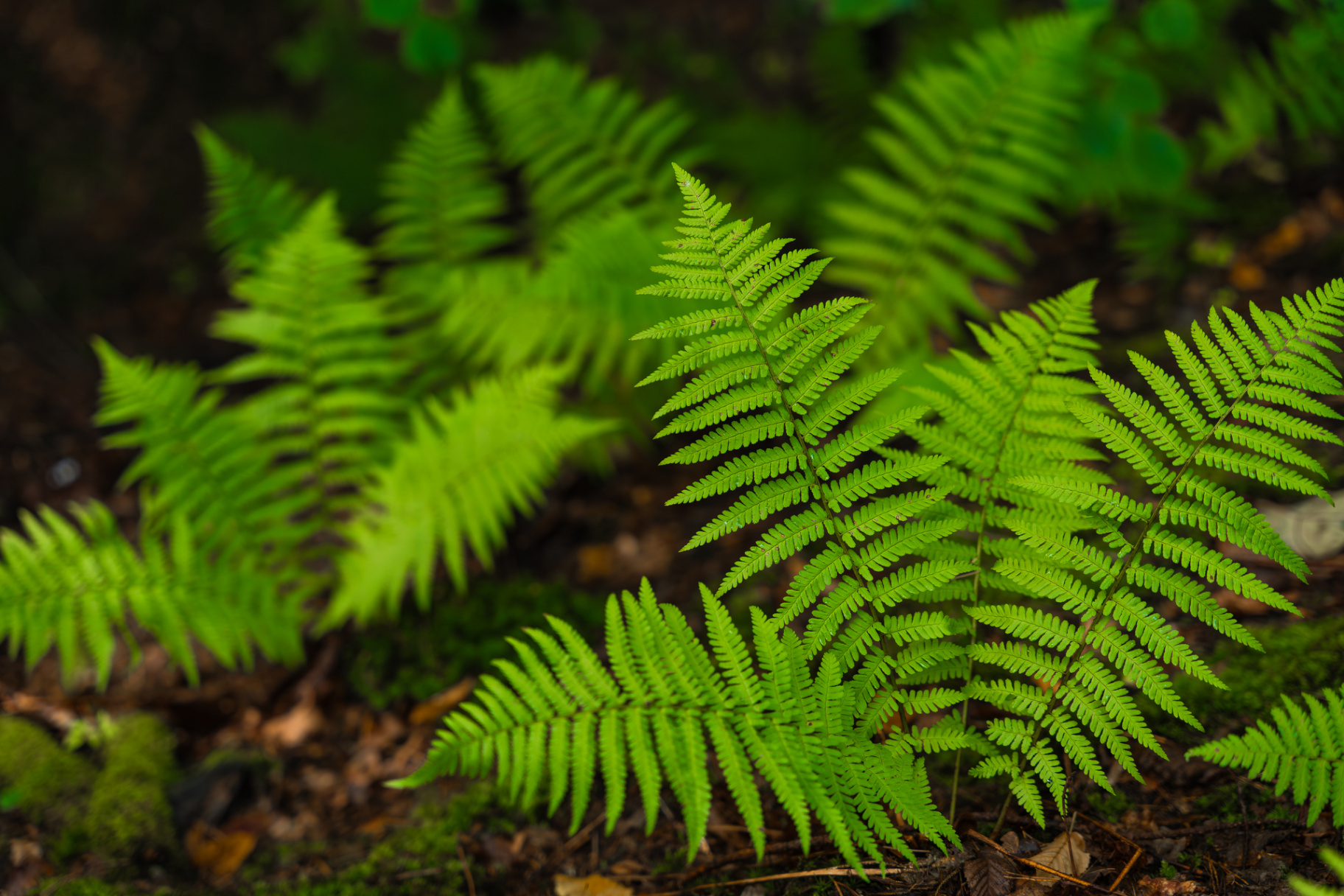
On the flip side, we have moss. If ferns are the tall, dramatic actors of the botanical world, mosses are the quiet, meditative stagehands. Mosses are non-vascular, meaning they lack true roots and the internal tubes needed to transport water over long distances. Instead of roots, they have tiny, hair-like structures called rhizoids that help them anchor to surfaces. Because they can’t pump water upward, they stay low to the ground, creating those iconic, velvety carpets that feel like something out of a fairytale. Moss is the champion of the "micro-landscape." It is the perfect choice for someone who loves the idea of a miniature world tucked away in a glass vessel. While it might not fill a floor-standing pot, a lush patch of moss can bring a sense of calm and permanence to a desk or a windowsill that ferns simply cannot replicate. For those who want to master this tiny trend in 2026, our indoor moss care 101 breakdown is a great place to start.
The biggest hurdle for most indoor plant parents is the humidity situation. Most ferns and mosses naturally live in damp, misty environments where the air is thick with moisture. In a modern home, especially when the heater is cranked up in March, the air becomes as dry as a desert, which is essentially a death sentence for these plants if you aren't prepared. Ferns generally need their soil to stay consistently moist. You want to aim for the feeling of a wrung-out sponge: never soggy, but never bone-dry either. If you miss a watering, a fern will let you know by dropping crispy brown leaves all over your floor. Moss is a bit more forgiving in the short term because it can technically go dormant if it dries out, but to keep it looking that vibrant, emerald green, you need to provide consistent surface moisture. This is why many people find moss much easier to handle when it is kept in a closed terrarium where the humidity remains high and the maintenance is minimal.

When it comes to light, the term "low-light" is often misunderstood. Neither of these plants wants to live in a windowless bathroom or a pitch-black closet. In the wild, they usually live under a canopy of larger trees, receiving dappled or reflected light. In your home, this translates to bright, indirect light. A north-facing window is often the "Goldilocks" zone for both ferns and mosses: just enough light to keep them photosynthesizing, but not enough to scorch their delicate fronds or mossy mats. If your space is truly dark, you might need to supplement with artificial help. We have found that the best indoor grow lights for exotic plants can make a world of difference, allowing you to keep these legends alive in places where they would otherwise struggle to survive. It is all about finding that balance between the shadows they love and the energy they need.
One of the coolest ways to display these plants is by combining them, or even merging them with other exotic species. Moss and ferns share a long history, which you can read more about in our piece on the untold story of ferns and moss. They also make excellent companions for certain carnivorous plants. Many of our favorite bog-dwelling species, like sundews and butterworts, actually love the same high-humidity, low-light-ish conditions that ferns and mosses enjoy. For instance, a beautiful sundew or a cluster of butterworts can look stunning nestled into a bed of live moss. It creates a complete, functional ecosystem right on your coffee table. This kind of arrangement not only looks incredible but also helps maintain a localized humidity bubble that benefits all the plants involved.
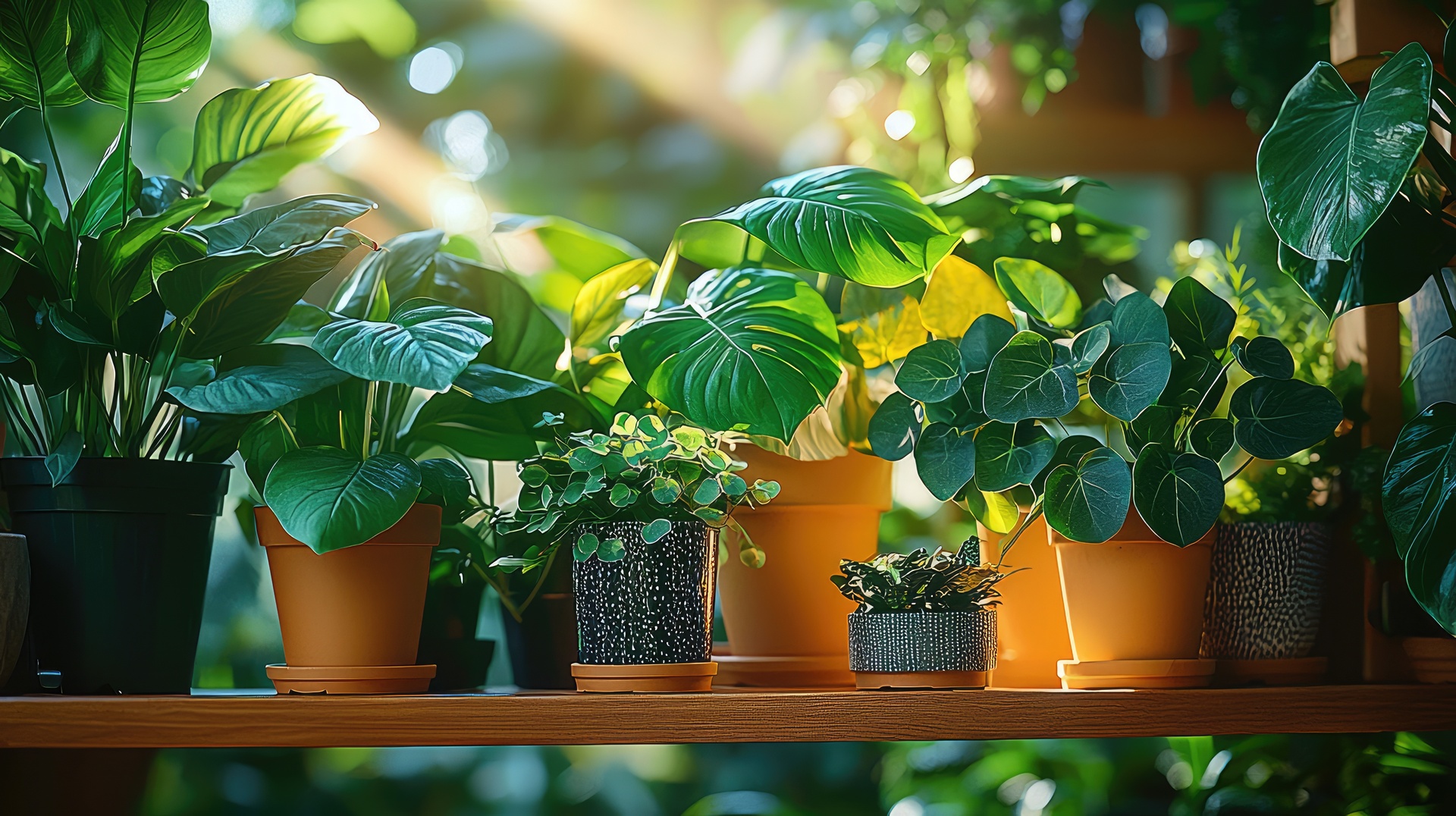
Soil is another area where these two diverge significantly. Ferns generally need a rich, well-draining potting mix that can hold onto moisture without becoming stagnant. They like a bit of organic matter to munch on as they grow. Moss, however, doesn't really care about soil nutrients because it doesn't have roots to absorb them. In fact, many mosses prefer to grow on rocks, wood, or even specialized clay substrates. If you are experimenting with the art of kokedama moss balls, you will see how moss can be used as a living wrapper for other plants, serving as both a decorative element and a moisture-retaining layer. It is a fantastic way to display ferns as well, giving you the best of both worlds in one beautiful, hanging package.
If you are a bit of a "helicopter plant parent" who loves to fuss and mist and check soil daily, ferns are probably your calling. They respond well to regular attention and will reward your care with fast growth and lush new fronds. If you are more of a "set it and forget it" type, a moss terrarium is likely the better choice. Once you establish the right moisture levels in a glass jar, moss can practically take care of itself for weeks at a time. It is all about how much interaction you want to have with your greenery. There is no wrong answer here, only what works for your routine and your home's unique environment.

As we head further into 2026, the trend of bringing the outdoors in is only getting stronger, and these ancient plants are at the forefront of that movement. Whether you choose the dramatic, sweeping fronds of a fern or the quiet, grounding presence of moss, you are participating in a tradition of indoor gardening that spans centuries. These plants aren't just decorations; they are links to a wilder, wetter world that we often lose touch with in our climate-controlled lives. By understanding their basic needs for humidity, light, and water, you can turn even the gloomiest corner of your home into a thriving oasis. If you ever feel stuck or notice your green friends looking a bit peaked, don't hesitate to reach out through our contact page. We are always here to help you troubleshoot your indoor jungle.
Ultimately, the choice between moss and ferns doesn't have to be an "either/or" scenario. Many of the most successful indoor gardens utilize both to create layers of height and texture. Start with a hardy fern in a corner and perhaps a small moss terrarium on a nearby shelf to see which one you vibe with more. You might find that once you master the art of humidity, you'll want to fill every shadow with these low-light legends. It likely won't kill them if you mess up once or twice: plants are remarkably resilient if you give them a chance to bounce back. Just remember the golden rule: when in doubt, add a little more humidity and keep them out of the direct afternoon sun. You've got this, and your home will thank you for the extra oxygen and the touch of prehistoric magic.


