
Butterworts (Pinguicula): The Unsung Heroes of Carnivorous Houseplants
, by Brian Tant, 6 min reading time
, by Brian Tant, 6 min reading time
If you're here, you already know carnivorous plants are having a serious moment. While VFTs (Venus flytraps) get the spotlight for their snap-trap soap opera, there’s a quieter overachiever working hard in the wings: the butterwort, a.k.a. Pinguicula if you’re feeling fancy.
These sticky-leaved wonders are the Swiss Army knife of the carnivorous world—gorgeous, practical, and absolutely beginner-friendly. Think golden retriever energy: loyal, low-drama, and always happy to help.
Butterworts catch prey with nature’s version of flypaper. Each leaf is dotted with glistening droplets of mucilage—basically glitter lip gloss for bugs—that snag tiny insects, especially fungus gnats (those uninvited specks that arrive the minute you water your plants).
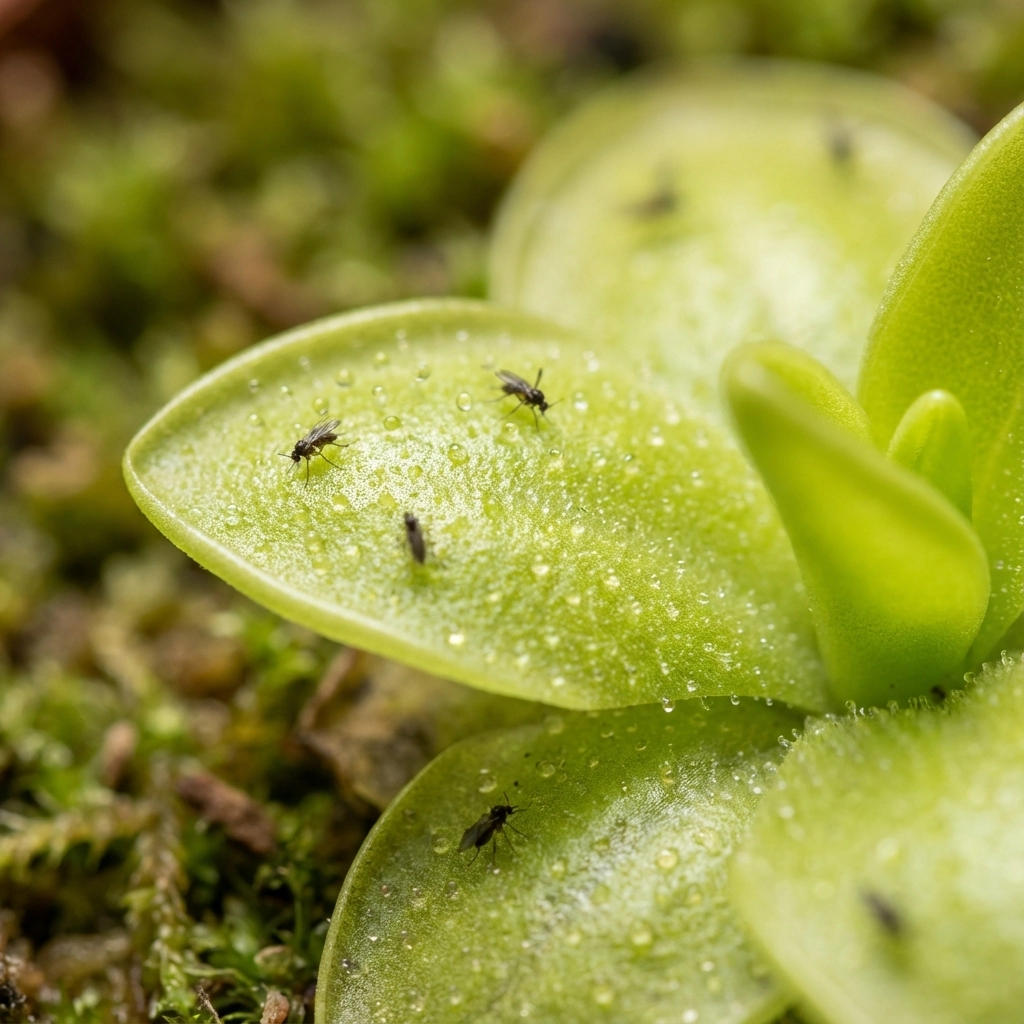
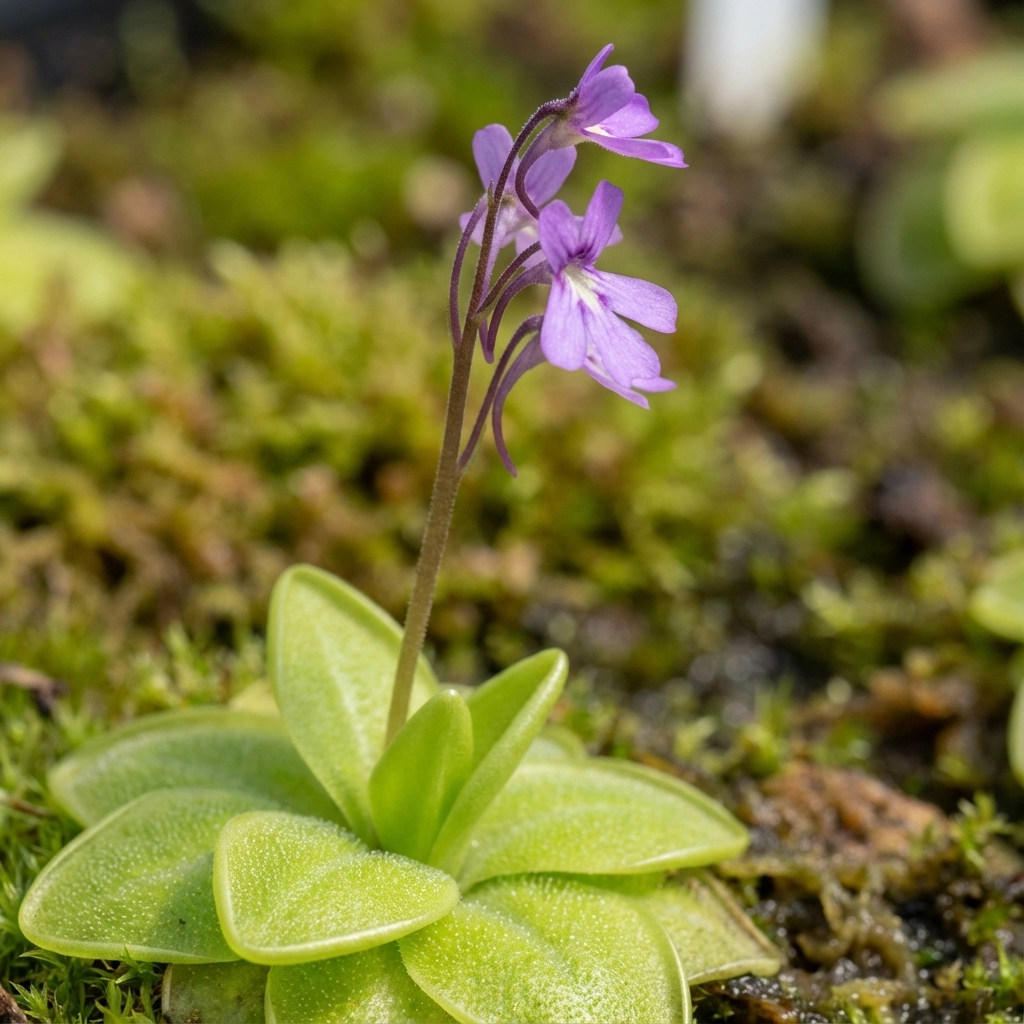
The name “butterwort” comes from the leaves’ slick, buttered-toast look (do not eat). Plants form compact rosettes that range from lime green to plummy purple depending on species and light. And the plot twist: they throw up elegant, orchid-like flowers—often more than once a year.
Unlike their drama-queen cousins the Venus flytraps, butterworts don’t snap or lunge. They’re the strong, silent type—calmly sparkling, catching pests, and occasionally flexing with a flower spike.
We didn’t fall for carnivorous plants because we’re entomologists. We wanted something cool that also eats bugs. Butterworts deliver both—and then some.
They’re Pest Control That Actually Works
Fungus gnats hovering like they pay rent? Butterworts mop them up. A single healthy plant can snag dozens in a week—no chemical sprays, no maintenance. Think of it as a tiny, effective bouncer for your plant shelf.
They’re Surprisingly Low-Maintenance
While VFTs fuss about dormancy and many pitcher plants demand spa-like humidity, butterworts are chill. Bright, indirect light? Great. Normal home temps? Perfect. Grow lights optional if you feel like spoiling them.
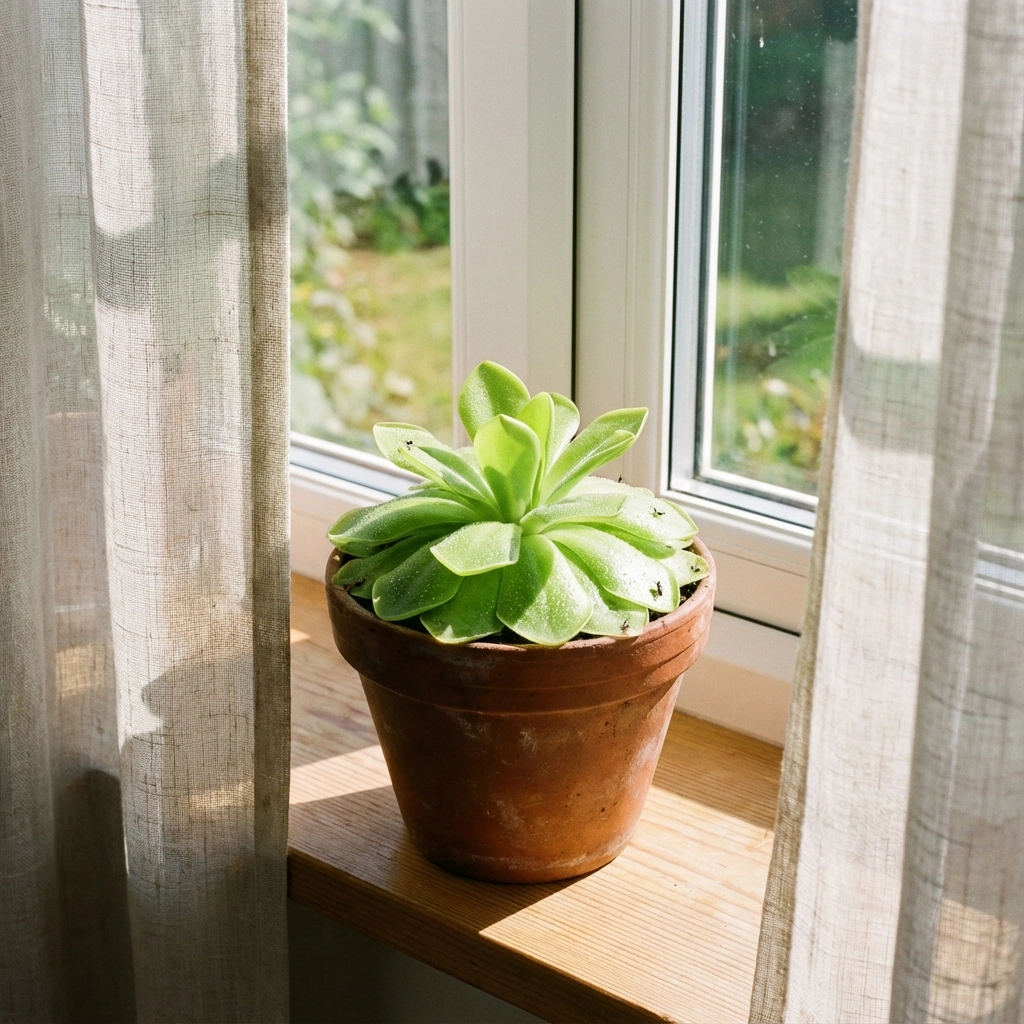
Those Flowers Are Show-Stoppers
When butterworts bloom, they go full fairy-wand. Delicate purple, pink, white, or yellow flowers can last weeks, and healthy plants often bloom multiple times a year. It’s like getting a bonus orchid with your built-in gnat trap.
Butterworts thrive on simple, consistent care. Follow these and you’ll have happy, hungry plants keeping your space gnat-free.
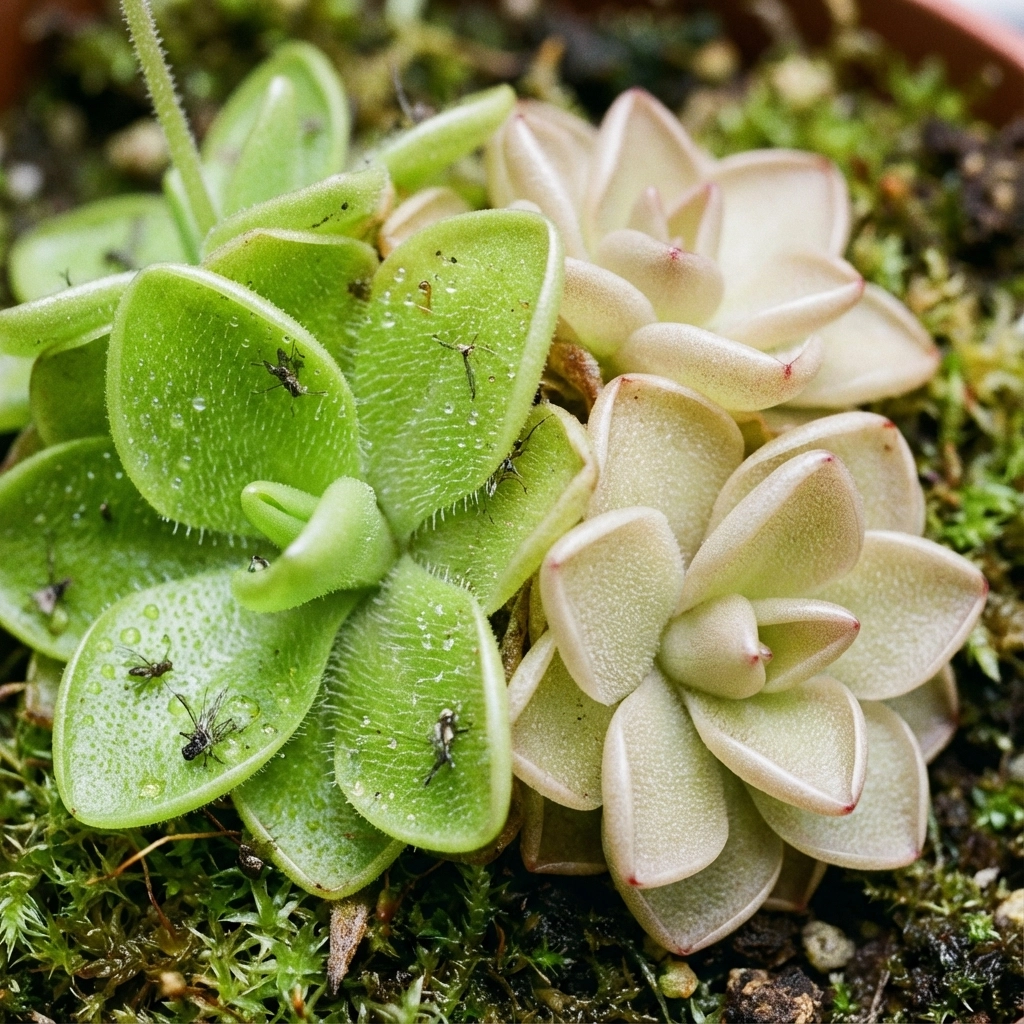
Many species—especially Mexican butterworts like P. moranensis—switch gears in winter. They trade sticky carnivorous leaves for tight, succulent-like rosettes that mostly ignore bugs.
Don’t panic. During this succulent phase:
In a world dazzled by VFT theatrics and pitcher-plant glam, butterworts quietly deliver results with minimal fuss. They’re the perfect gateway carnivorous plant: easy for beginners, endlessly interesting for collectors.
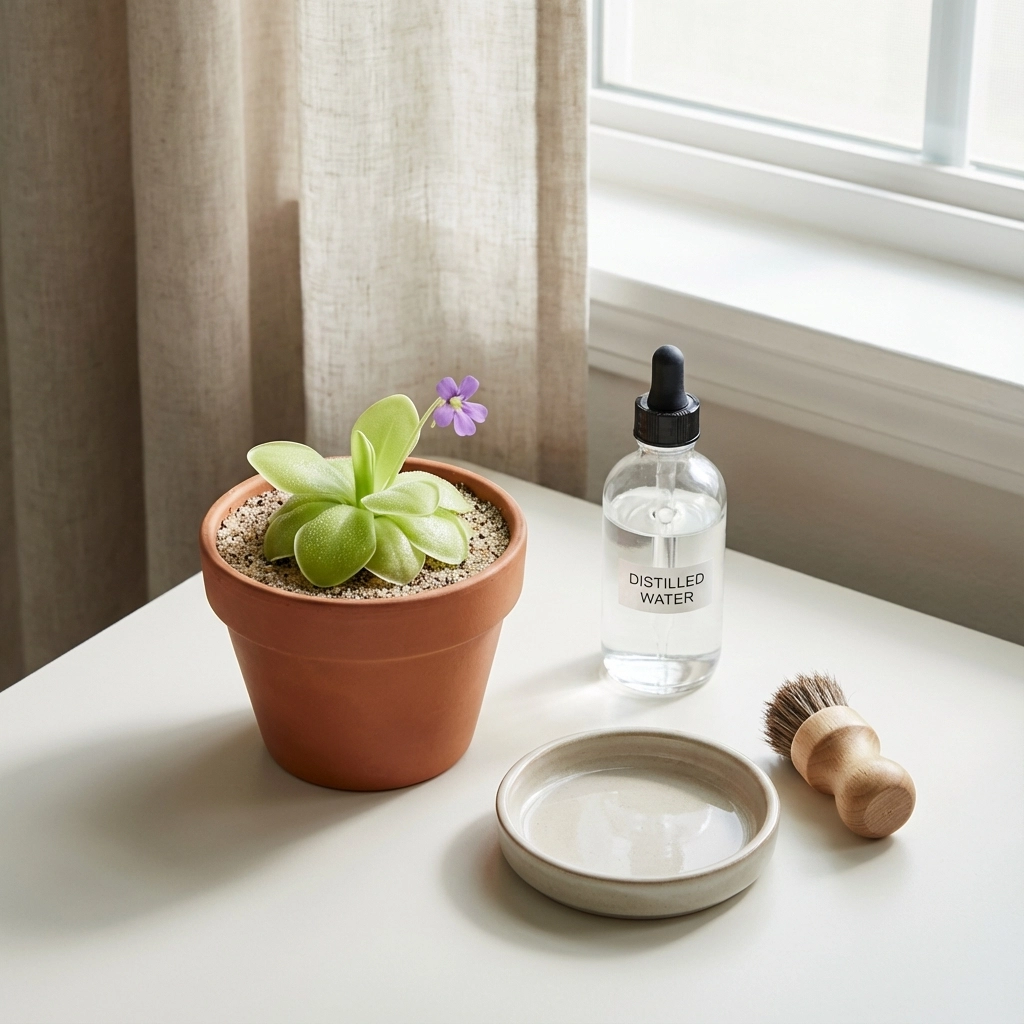
They’re practical, too. While your VFT sulks through winter and your pitcher plant negotiates humidity, your butterwort is still on gnat duty—looking cute while doing it.
Propagation is delightfully simple:
Butterworts prove that subtle can still be spectacular. They’re beautiful, functional, low-stress, and genuinely helpful. If you want a carnivorous plant that won’t raise your blood pressure but will raise your plant cred, start here.
Next time someone brings up carnivorous plants, don’t just name-drop Venus flytraps. Tell them about butterworts—the unsung heroes quietly improving our planty lives, one fungus gnat at a time.
Ready to add some butterworts to your collection? Your gnats won’t love it—but you absolutely will.


