
Best Indoor Grow Lights for Exotic Plants: Our Top Picks for 2026
, by Brian Tant, 8 min reading time
, by Brian Tant, 8 min reading time
You already know that exotic plants aren't exactly your average houseplants. Oh no, these beauties have lighting needs that go way beyond what your average pothos requires. Why do people always hate on pothos anyways? Is it just guilty of not dying? Anyways, here's the morally questionable disclosure:
As an Amazon Associate, we earn from qualifying purchases. This helps us out as a small business, but please do your own research and don't blow your hard-earned money on products based solely on articles such as this one.
The thing is, plants evolved in very specific light conditions; think dappled forest floors, boggy wetlands, or tropical understories. Your typical home lighting setup? Yeah, that's not going to cut it on its own. But here's the good news: the right grow light can absolutely transform your plant game, and 2026 has brought us some seriously impressive options.
Let's get real for a second. Carnivorous plants like Venus flytraps and American pitchers need consistent, bright light to maintain those iconic red colors and produce the energy for their insect-catching antics. Too little light, and you'll end up with pale, stretched-out plants that can barely catch a fruit fly, let alone look impressive.
Ferns, on the other hand, are the divas of the plant world to an extent. They want bright light but throw a fit if it's too direct. Different ferns have different lighting requirements. If you're using the same light for multiple lower-light species, go for the lowest common denominator for intensity and bump the photo period a bit. You won't overwhelm the divas, and the others will adapt. Is it absolutely the best possible setup for each and every plant? Probably not, but get out and enjoy your life. They'll cope.
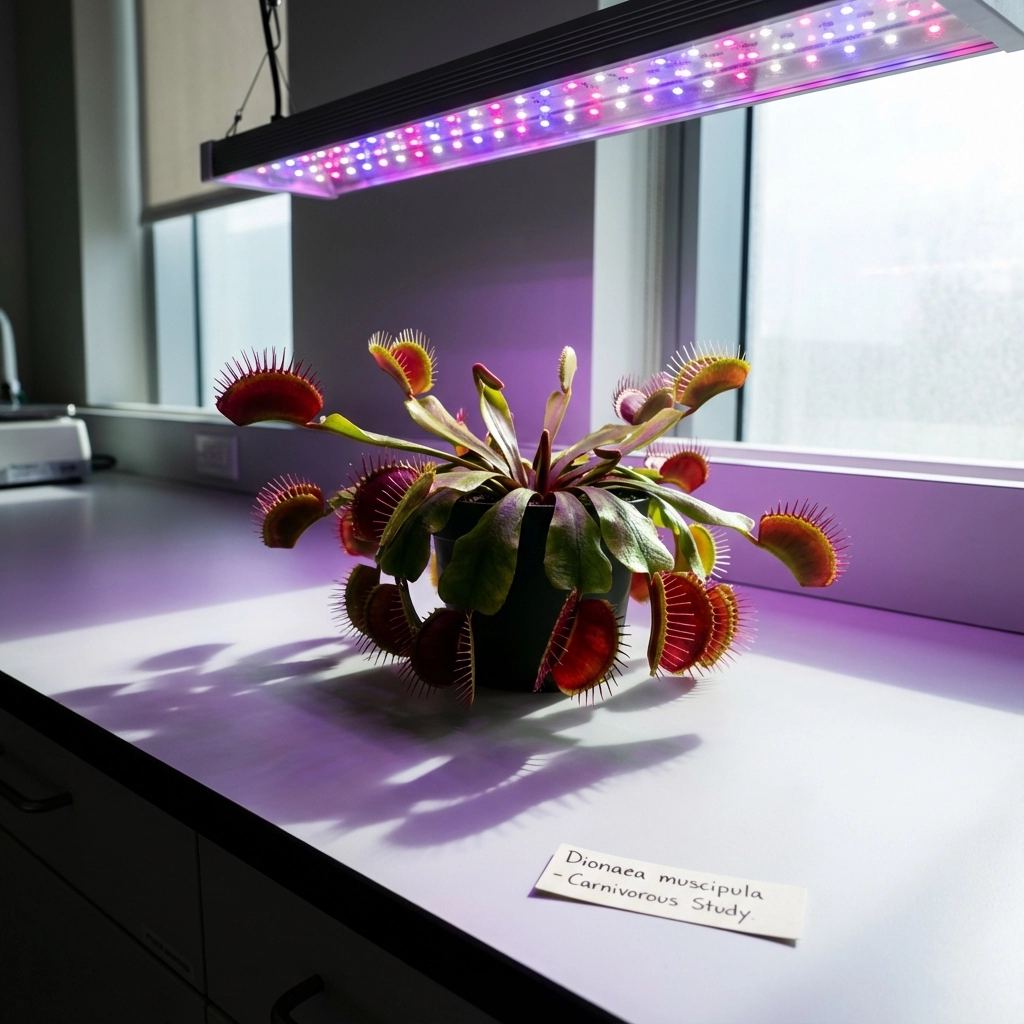
For light hungry carnivores, this light is absolutely stellar. With a 3.2 efficiency rating and full-spectrum output including 3% far-red wavelengths, it provides the intense, consistent lighting that carnivorous plants crave. The remote power supply keeps heat away from your plants, a nice tough to keep roots cool, and the uniform PAR distribution means every wee leaf gets the energy it needs.
At around $400, it's not cheap, but if you've invested in keeping light-loving species inside (hint: don't. The sun is free.), this light will get it done. The coverage area handles a 4x4 space beautifully – perfect for a dedicated carnivorous plant setup.
Not everyone needs commercial-grade lighting, and that's totally fine. The Mars Hydro TS600 delivers solid performance for around $70-90, making it perfect for beginners diving into carnivorous plant care that still want a serious lighting solution. The 120° reflector design ensures your carnivores get even light distribution, and the energy-efficient LEDs won't spike your electricity bill.
This light handles a 2x2 area effectively, which is plenty for a starter collection of carnivores.
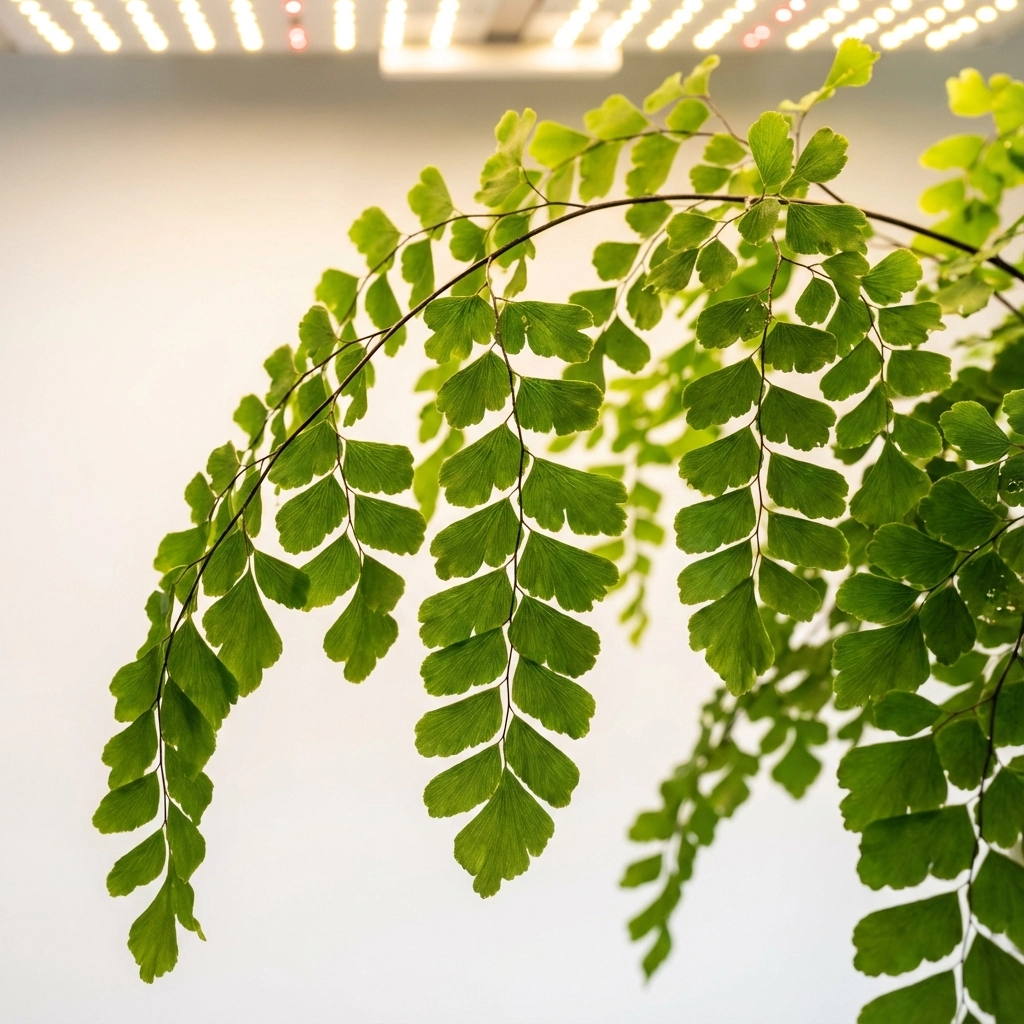
Here's where things get interesting for fern enthusiasts. This 80-LED panel hits that sweet spot of providing bright, indirect-style lighting that ferns absolutely love. The adjustable spectrum settings let you dial in the perfect blue-to-red ratio to appease different fern species with their surprisingly specific preferences. Divas.
What makes this perfect for ferns and moss is the gentler intensity. Maidenhair ferns, Boston ferns, and bird's nest ferns all respond beautifully to this light's balanced approach. At under $50, it's accessible enough to experiment with, but versatile enough to tailor and grow your setup.
The adjustable height feature is clutch here, you can really dial it in for finicky pick-me divas.
If you're running multiple shelves of ferns (and honestly, who isn't once they get the bug?), these strip lights are game-changers. They're perfect for that classic "wall of ferns" look while providing each shelf with adequate lighting. The low-profile design means you're not sacrificing shelf space, and the cool operation keeps your humidity-loving ferns happy without drying them out.
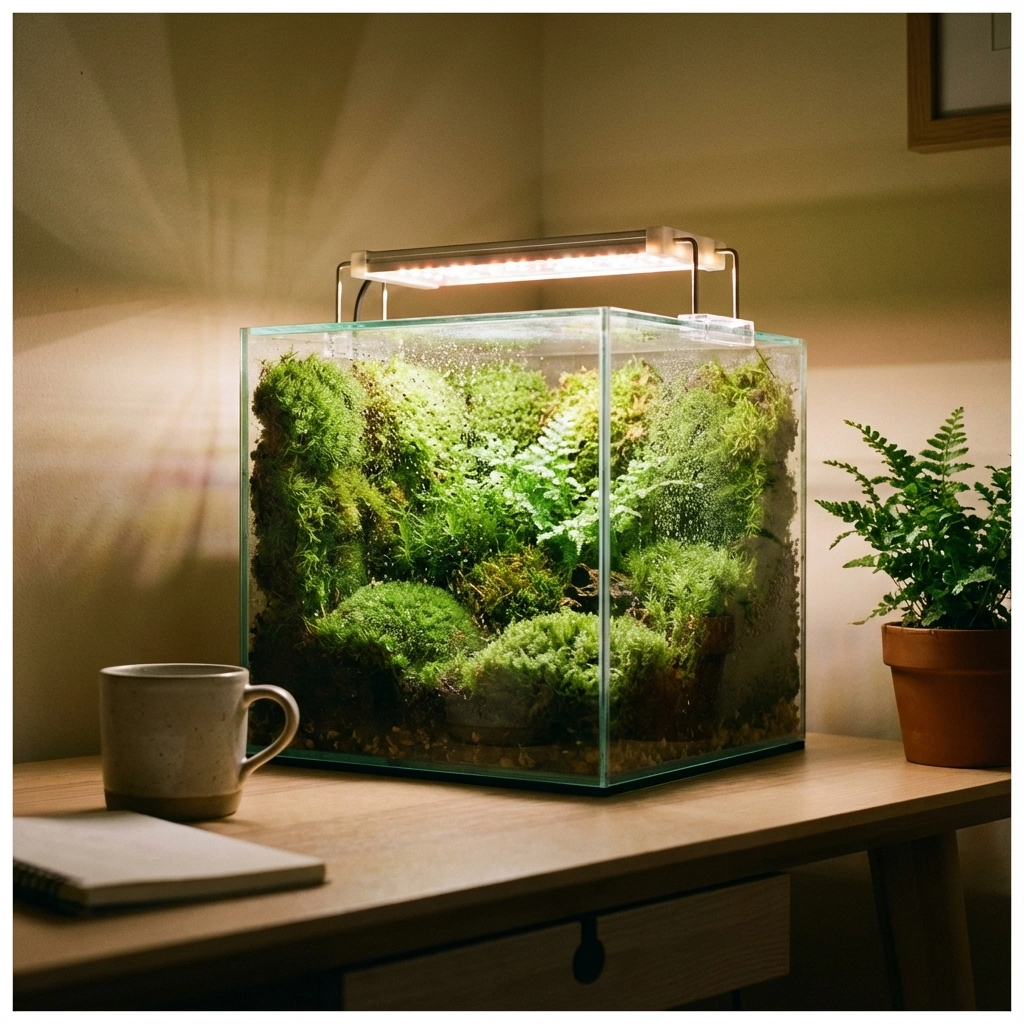
Don't let the name fool you – this isn't just for herbs. The AeroGarden Trio's controlled spectrum and gentle intensity make it absolutely perfect for moss terrariums and small-scale exotic setups. The automated timing takes the guesswork out of indoor moss care, and the compact footprint fits beautifully on desks or counters.
At around $100, it's positioned as a premium option, but the built-in automation and proven reliability make it worth every penny for moss enthusiasts. Plus, the sleek design means your terrarium setup actually enhances your space rather than looking like a science experiment.
Under $50 - Getting Started:
$50-150 - Serious Hobbyist:
$150+ - Collection Goals and.. "compensating"?
Here's the thing about grow light specs. Most of the technical jargon is either marketing fluff or overly complicated for what plant growers actually need. Focus on these key factors:
PAR (Photosynthetically Active Radiation): For carnivorous plants, you want 200-400 μmol/m²/s. Ferns prefer 100-200, and moss thrives at 50-150. Don't get caught up in numbers. This is nerdspeak. Most plants will adapt within a range, so just remember that more isn't always better. You can check all this with a PAR meter, but one can also use a regular light meter and do some math to get pretty close. More on that later.
Spectrum Balance: Full spectrum is great, but adjustability is even better. Being able to dial up blue light for compact growth or red light for flowering gives you real control.
Heat Output: This is huge for exotic plants. Remote ballasts, efficient LEDs, and good heat sinks prevent the warm, dry conditions that can quickly kill bog plants and delicate ferns. Even LEDs put out radiant heat and the effects can sneak upon you.
Most photon-related plant disasters happen in the first week of new lighting, so here are some easy-peasy tips to avoid the common pitfalls:
Start your lights at 18-24 inches away and gradually move closer over a week or two. Some plants can be surprisingly sensitive to sudden light changes, and you'd rather err on the side of caution than shock a sensitive plant. You have time.
Timer consistency is important. Plants evolved with predictable day/night cycles, so invest in a reliable timer rather than trying to remember to flip switches. Most carnivorous plants want 12-14 hours of light, while ferns prefer 10-12 hours or less in some cases.
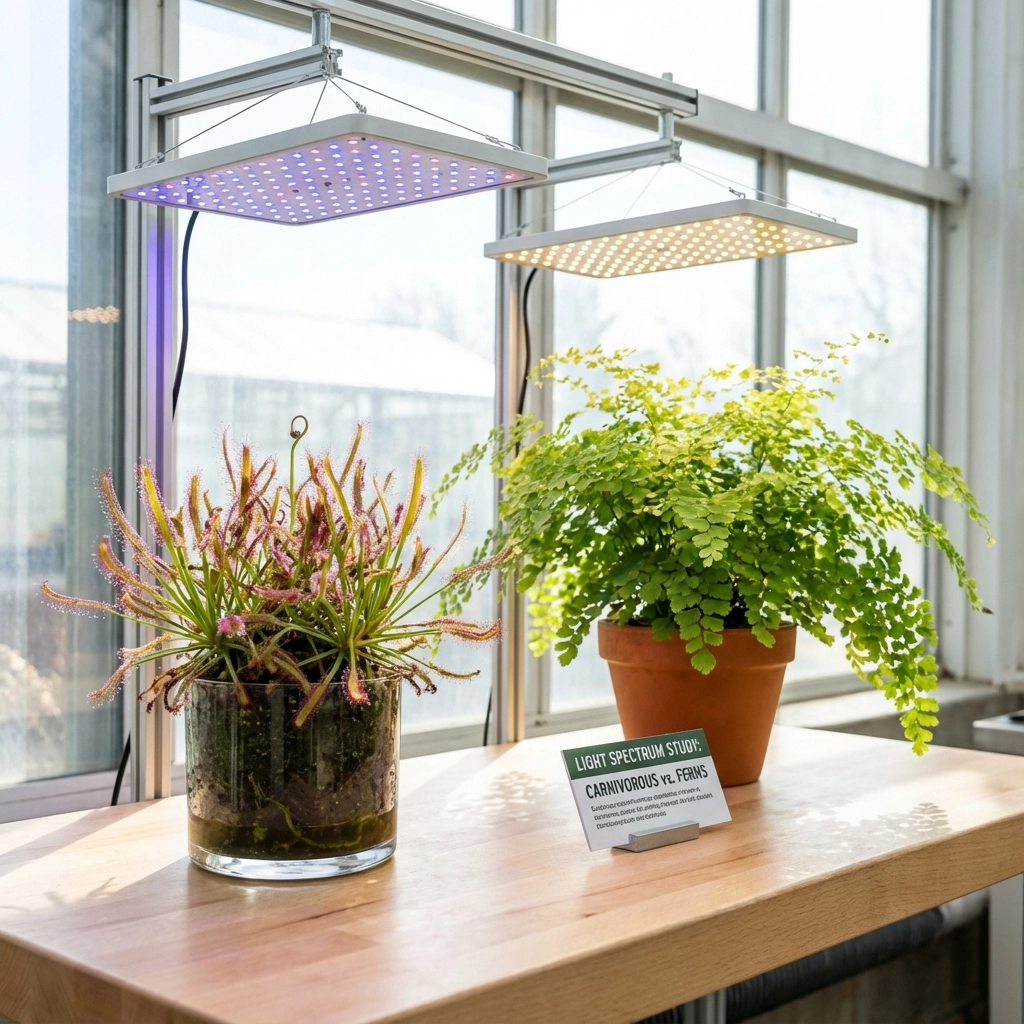
After testing these lights with everything from rare Heliamphora to sensitive maidenhair ferns, a few patterns emerged. The higher-end LED panels (MIGRO, Mars Hydro TS series) consistently produced more vibrant coloration in carnivorous plants and somewhat denser growth in ferns. You kinda expect that to some extent, but it's not the holy grail.
But here's the surprising part: the mid-range options often performed nearly as well for growth and color. Unless you're dealing with particularly finicky or light-hungry species, that $300+ light might be overkill, and by"might," I mean it absolutely freakin is. Full stop. Yes, we have affiliate links, but don't blow stupid money on that stuff unless you just want to - or have a legit use case.
The biggest game-changer was consistent timing and proper distance. A $30-$50 light used correctly will absolutely outperform a $500 light used poorly. Insert "size doesn't matter" creepy joke here.
For most plant enthusiasts, the sweet spot is investing in one quality light around the rather than multiple cheap options. Buy once, cry once. The Mars Hydro TS600 handles carnivorous plants beautifully, while the Leoter system is more rounded for ferns and mixed collections.
And remember, proper lighting is just one piece of the puzzle. Humidity, water quality, and substrate all work together to determine the overall environment for your houseplants.
The bottom line? Don't overthink it. Pick a light that fits your space and budget, set up consistent timing, and let your plant collection do its thing. Watch your plants for responses when making changes, and only change one thing at a time in small increments. You have time (are you seeing a theme here?).
Trust me, once you see the difference proper lighting makes, you'll be all over the Reddit threads talking down to newbies in no time.


