
Kokedama Moss Care 101: A Beginner's Guide to Mastering the 2026 Plant Trend
, by Brian Tant, 8 min reading time
, by Brian Tant, 8 min reading time
You already know that kokedama is having a major moment. This Japanese art of creating "moss balls" has been quietly stealing hearts in the plant community, and 2026 is shaping up to be the year it goes fully mainstream. But while these floating gardens look impossibly elegant, they're actually way more approachable than you'd think.
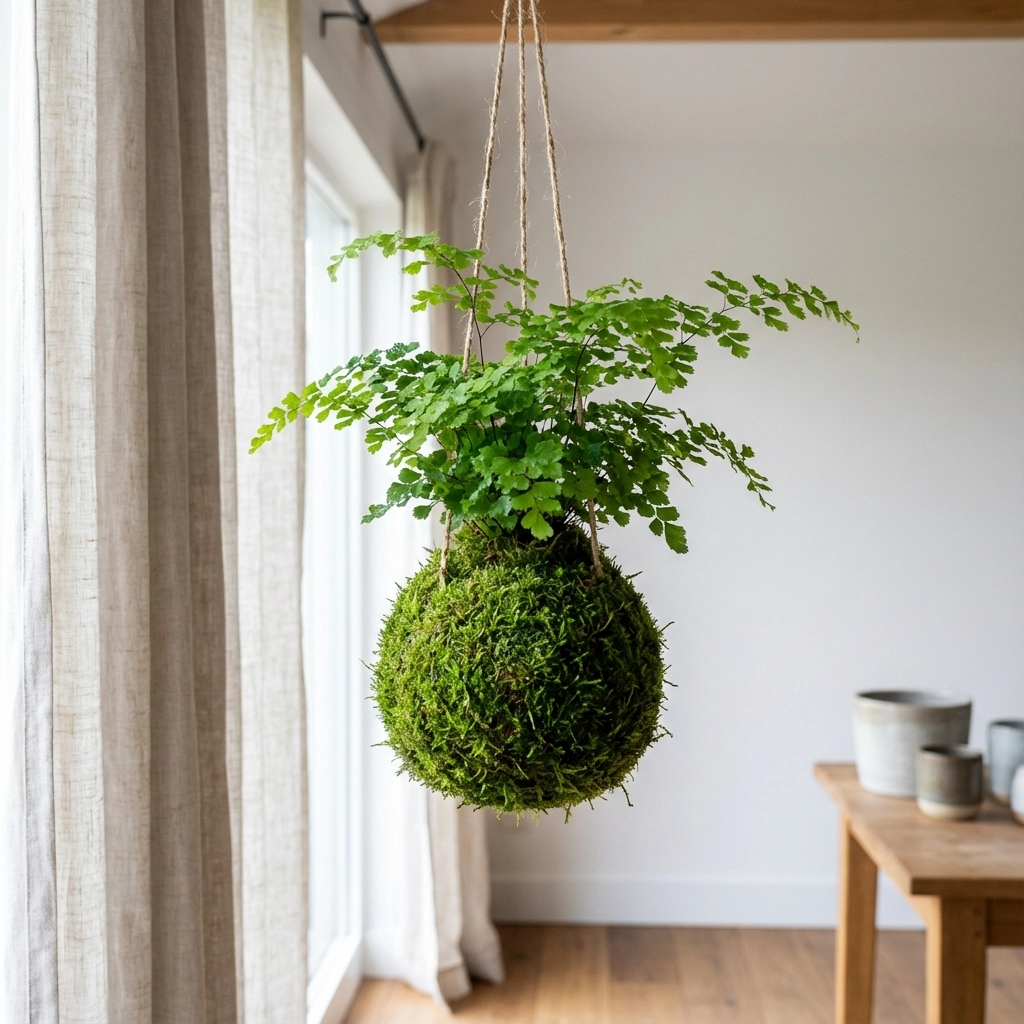
Kokedama (literally "moss ball" in Japanese) is basically nature's answer to those expensive designer planters. Instead of sticking your plant in a pot, you wrap its roots in a ball of soil, cover the whole thing in moss, and suspend it with string. The result? A living sculpture that looks like it belongs in a zen garden but works perfectly in your living room.
Before we dive into the care routine, let's talk about what goes into making these botanical masterpieces. The good news? You probably already have half this stuff lying around.
Essential Materials:
The key here is getting your soil consistency just right. You want it to feel like pizza dough: firm enough to hold together when you squeeze it, but not so wet that it's dripping everywhere.
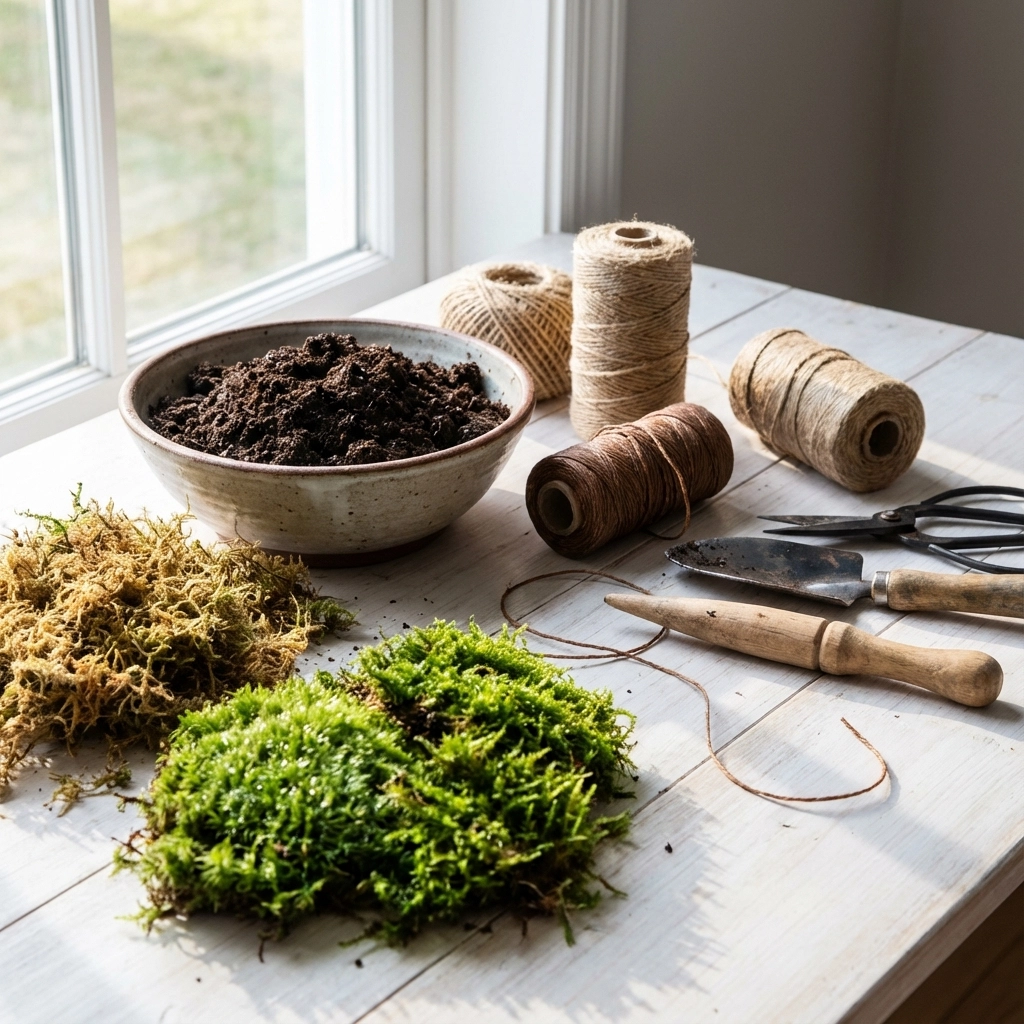
Let's be real about moss for a second. While the internet is full of people harvesting "wild" moss from their backyards, that's often a recipe for disappointment. Wild moss can be finicky indoors and might carry hitchhikers you don't want in your living space.
Your best bet is sheet moss from a craft store or garden center. It might look a bit rough when dry, but once you soak it, it comes back to life beautifully. The stuff sold for floral arrangements works perfectly: no need to overthink this part. Just make sure it’s alive, not just painted green. Seriously wtf with these people?!
Here's where things get fun. Start by mixing your soil until it reaches that perfect dough-like consistency. Form about two cups of the mixture into a ball roughly the size of a softball: maybe a bit smaller if you're working with a tiny plant.
Next up: prep your plant. Gently remove it from its current pot and shake off most of the old soil. Don't stress about getting every bit: you just want to see the root system clearly. If the roots are crazy long, trim them back a little. Your plant will adapt faster than you'd expect. Make sure to leave some of the fine, hairy roots. That’s where the root work happens.
Create a small crater in your soil ball, nestle those roots in there, and pack the soil firmly around the base. This is where you want to be a bit aggressive: a loose ball will fall apart the first time you water it.
Now for the moss magic. Soak your sheet moss until it's thoroughly damp, then wrap it around your soil ball like you're gift-wrapping the world's most organic present. Secure everything with your string, wrapping it around multiple times until nothing shifts when you give it a gentle shake.
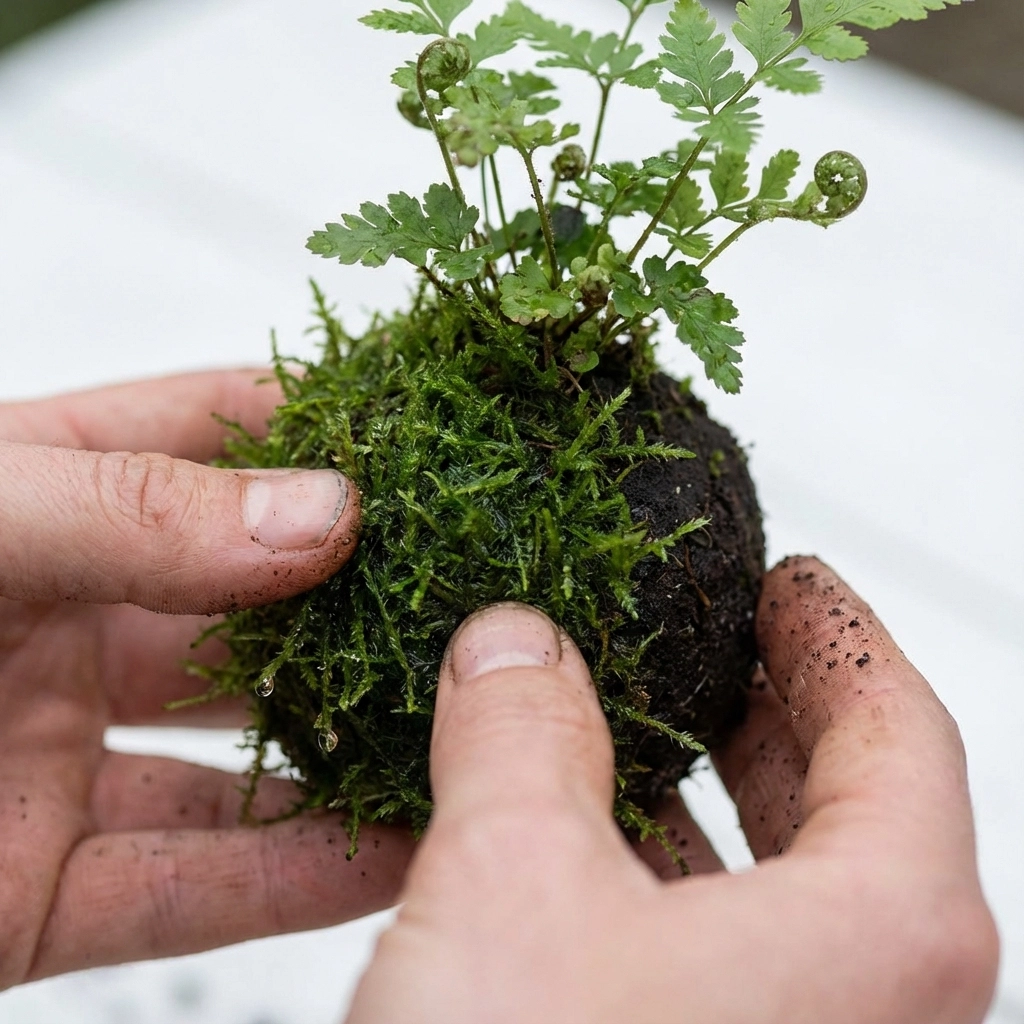
Here's where most people either become kokedama converts or give up entirely. The watering technique is totally different from regular houseplant care, but once you get the hang of it, it's actually pretty therapeutic.
The Soaking Method (Your New Best Friend)
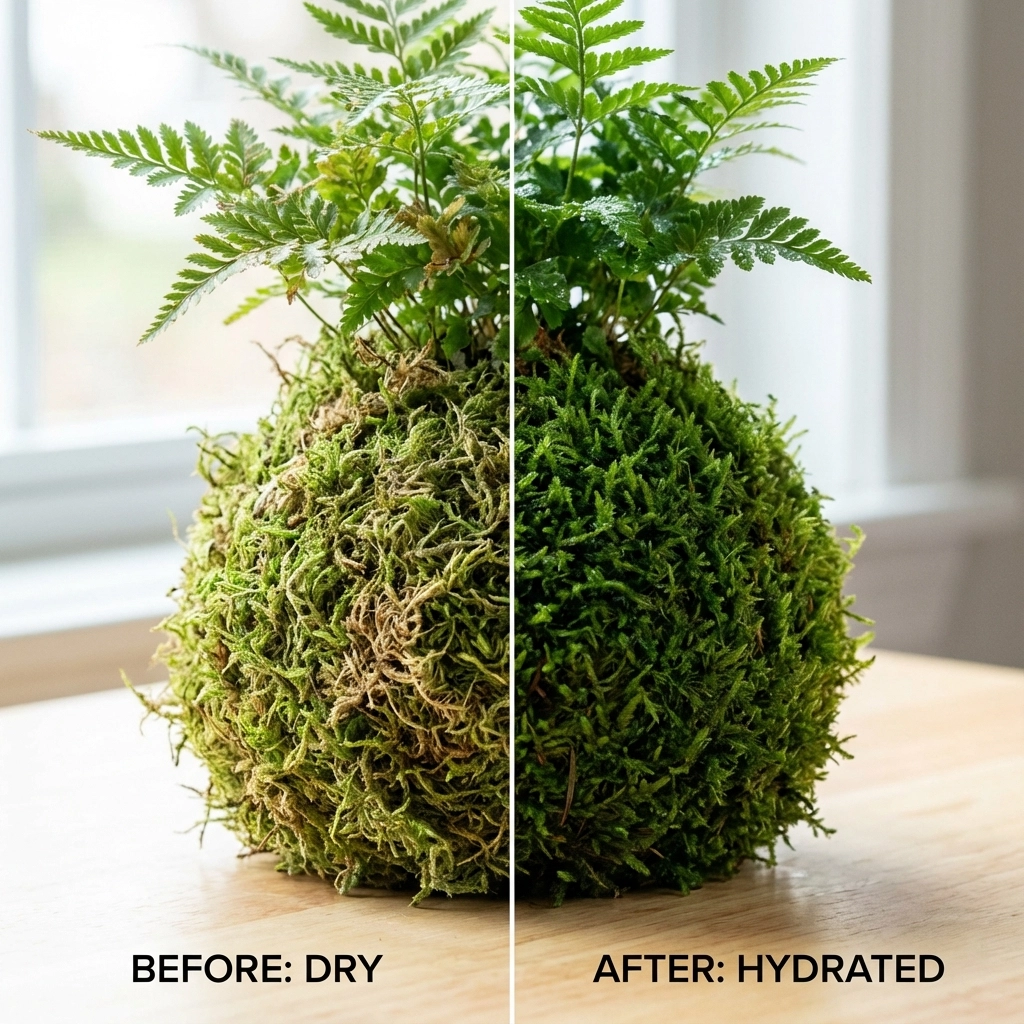
Mormons!! (IYKYK!!!) Forget everything you know about watering plants. With kokedama, you're going full submersion. Fill a bowl with water, place your moss ball in there plant-side up, and push it down until it's completely underwater. Let it sit for 10-25 minutes: you'll literally watch it drink.
Here's the cool part: you can actually see when it's fully saturated. The moss will look darker, and the whole thing will feel noticeably heavier. Once it's had its fill, lift it out and give the moss ball a gentle squeeze to release excess water. Let it drip dry in a colander for a few minutes before hanging it back up.
How Often? The Million-Dollar Question
Most kokedama need this soaking treatment about once a week, though this varies based on your plant type, home humidity, and how warm your space runs. The finger test works great here: just poke through the moss to check if the soil feels dry.
Pro tip: Get familiar with the weight of your kokedama when it's properly hydrated. After a few weeks, you'll be able to tell just by picking it up whether it needs water.
This part is pretty straightforward, but it's worth mentioning because the wrong light situation will stress your plant out fast. Most kokedama do best in bright, indirect light: think near a window but not directly in the sun's path.
Direct sunlight is the enemy here. It'll dry out your moss ball crazy fast and potentially scorch your plant's leaves. If you've got a super sunny spot you're dying to use, consider it more of a temporary display location rather than a permanent home.
Let's talk about the stuff that inevitably goes wrong, because it happens to everyone and it's totally fixable.
Problem: Your moss is turning brown or looking crusty This usually means it's drying out too quickly. Try moving your kokedama to a slightly more humid spot (bathroom, anyone?) and increase your misting frequency. Sometimes the moss just needs time to establish itself in its new environment.
Problem: Your plant looks sad despite regular watering Check your soaking technique. Are you really letting the soil ball get fully saturated? Sometimes what feels like enough water isn't actually reaching the roots. Also, consider whether your plant might need fertilizer: we'll get to that in a sec.
Problem: The whole thing is falling apart Usually a sign that your soil mixture was too loose or your string isn't tight enough. You can rewrap it with fresh moss and more string, or start over with a firmer soil ball.
Once you've got the basics down, caring for kokedama becomes pretty low-maintenance. Here's your weekly routine:
Weekly: Check the weight and moisture level. Soak if needed (usually yes).
Bi-weekly: Give everything a good misting, especially during dry winter months.
Monthly: Trim any dead or yellowing leaves. If you're using vining plants, keep them pruned to a manageable size.
Growing season: Add a quarter-strength liquid fertilizer to your soaking water every few weeks.
The fertilizer part is optional but helpful if you want your plant to really thrive. Just mix a water-soluble houseplant fertilizer into your soaking bowl at about 25% of the recommended strength.
There's something genuinely satisfying about the whole kokedama process. Maybe it's the hands-on creation aspect, or the way these moss balls look like tiny floating worlds. But beyond the aesthetics, they're actually pretty practical.
You can hang them at different heights to create visual interest, they take up zero floor space, and they're perfect for plants that like to be slightly root-bound. Plus, the moss acts as a natural humidity buffer, which most houseplants absolutely love.
As we head into 2026, kokedama is positioned to become one of those plant trends that actually sticks around: mainly because it works. The key is starting simple, maybe with a small fern or pothos, and getting comfortable with the watering routine before you get ambitious with rare plants.
Remember, every plant parent kills a few plants along the way. It's basically a rite of passage. But kokedama are surprisingly forgiving once you nail the basics, and there's nothing quite like the satisfaction of creating something beautiful that actually thrives.
At Frond and Fang, we're seeing more and more customers getting excited about this technique, especially with our fern collection that works so perfectly for beginners. Whether you're starting with a classic maidenhair or something a bit more unique like a rabbit's foot fern, the principles stay the same.
The bottom line? Kokedama might look intimidating, but it's really just another way to display plants: one that happens to be drop-dead gorgeous and surprisingly practical. Give it a shot, embrace the learning curve, and prepare to become slightly obsessed with creating these living art pieces.


