
Best Ferns for Indoors: Your Quick-Start Guide to 7 Humidity-Loving Varieties That Actually Thrive
, by Brian Tant, 7 min reading time
, by Brian Tant, 7 min reading time
Learn which ferns do best indoors, from Bird’s Nest to Boston fern, with real-world care advice that keeps them thriving. Get quick tips for light, water, and humidity to make fern care easy.
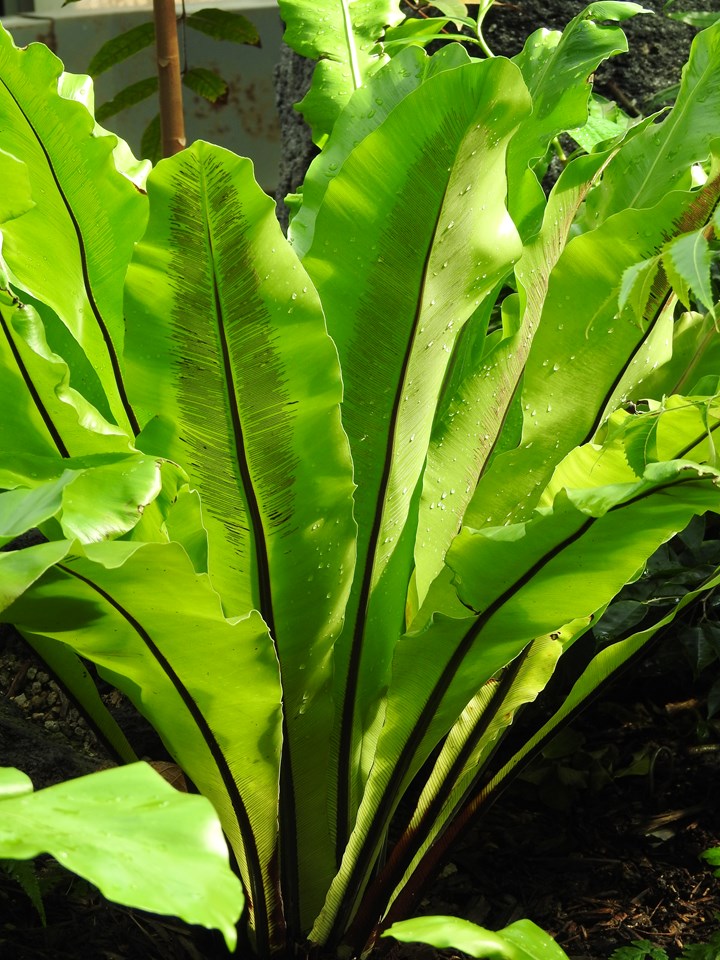
Bird’s Nest Fern (Asplenium nidus)
If you're here, you already know that ferns can be a bit... dramatic. One day they're lush and gorgeous, the next day they look like they've been through a desert storm. But here's the thing – when you pick the right varieties and give them what they actually want (spoiler alert: it's mostly humidity), they're some of the most rewarding houseplants you can grow.
Let's skip the ferns that are basically humidity divas and focus on seven varieties that genuinely thrive indoors when you nail their care routine. These aren't your grandmother's finicky ferns – these are the ones that actually want to live in your house.
This is hands down the most forgiving fern on the list, and there's a reason it's everywhere right now. The Bird's Nest Fern doesn't mess around with complicated care requirements, but it absolutely loves humidity.
The regular Bird's Nest Fern is great, but if you can get your hands on the 'Austral Gem' variety, do it. This newer cultivar is sterile (no messy spores everywhere) and surprisingly adaptable to lower humidity environments. That said, it still prefers 40-60% humidity to really shine.
Quick care rundown: Bright, indirect light, keep the soil consistently moist but not soggy, and mist around the plant (not directly on the leaves) to boost humidity. The rosette growth pattern means water should never sit in the center – that's a one-way ticket to rot city.
Bird's Nest Fern (Asplenium nidus)
Boston ferns are probably what you picture when someone says "fern." They're the cascading beauties that look incredible in hanging baskets, and they're absolutely obsessed with humidity. We're talking 50-80% humidity levels – they want that bathroom-after-a-hot-shower vibe constantly.
Here's what makes Boston ferns work indoors: they're incredibly responsive to their environment. Too dry? They'll tell you with brown, crispy fronds. Perfect humidity? They'll reward you with lush, fountain-like growth that's honestly hard to beat.
Pro tip: If your house runs dry, put these guys on a pebble tray filled with water or invest in a small humidifier. They'll thank you by actually thriving instead of just surviving.
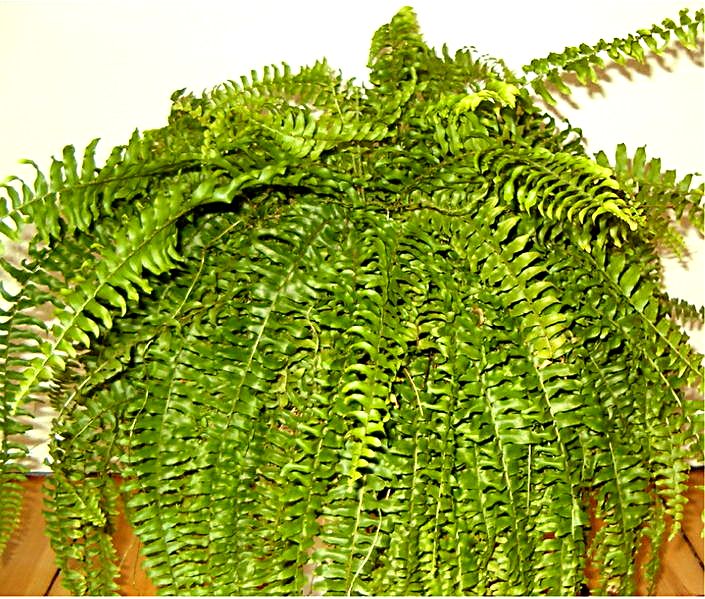
Boston Fern (Nephrolepis exaltata)
Think of the Kimberly Queen as Boston fern's more structured cousin. Instead of cascading everywhere, this Australian native grows upright with a gorgeous vase-like shape. It handles indoor conditions better than regular Boston ferns while still loving that high humidity (aim for 50-70%).
What makes this fern special is its sword-shaped fronds that stay neat and tidy – no constant trimming of wayward growth. It gets substantial too, reaching 2-3 feet in both directions when happy. Perfect for making a statement without taking over your entire living room.
Care reality check: Bright, indirect light is non-negotiable, and consistent moisture is key. Let the top inch of soil dry out between waterings, but never let it get bone dry.

Kimberly Queen Fern (Nephrolepis obliterata)
Okay, this one's weird in the best possible way. The Rabbit's Foot Fern has these fuzzy, creeping rhizomes that literally look like rabbit's feet crawling over the edge of your pot. Kids (and adults) are fascinated by them.
This epiphytic fern from Fiji loves humidity around 50-70%, but here's the cool part – those fuzzy rhizomes help it tolerate slightly drier conditions than other ferns. The triangular, deeply-cut fronds grow 1-2 feet tall, and the whole plant has this prehistoric vibe that works surprisingly well in modern spaces.
Growing tip: Perfect for hanging baskets where those rhizomes can trail dramatically. Water when the soil feels dry to the touch, and mist regularly to keep humidity up.
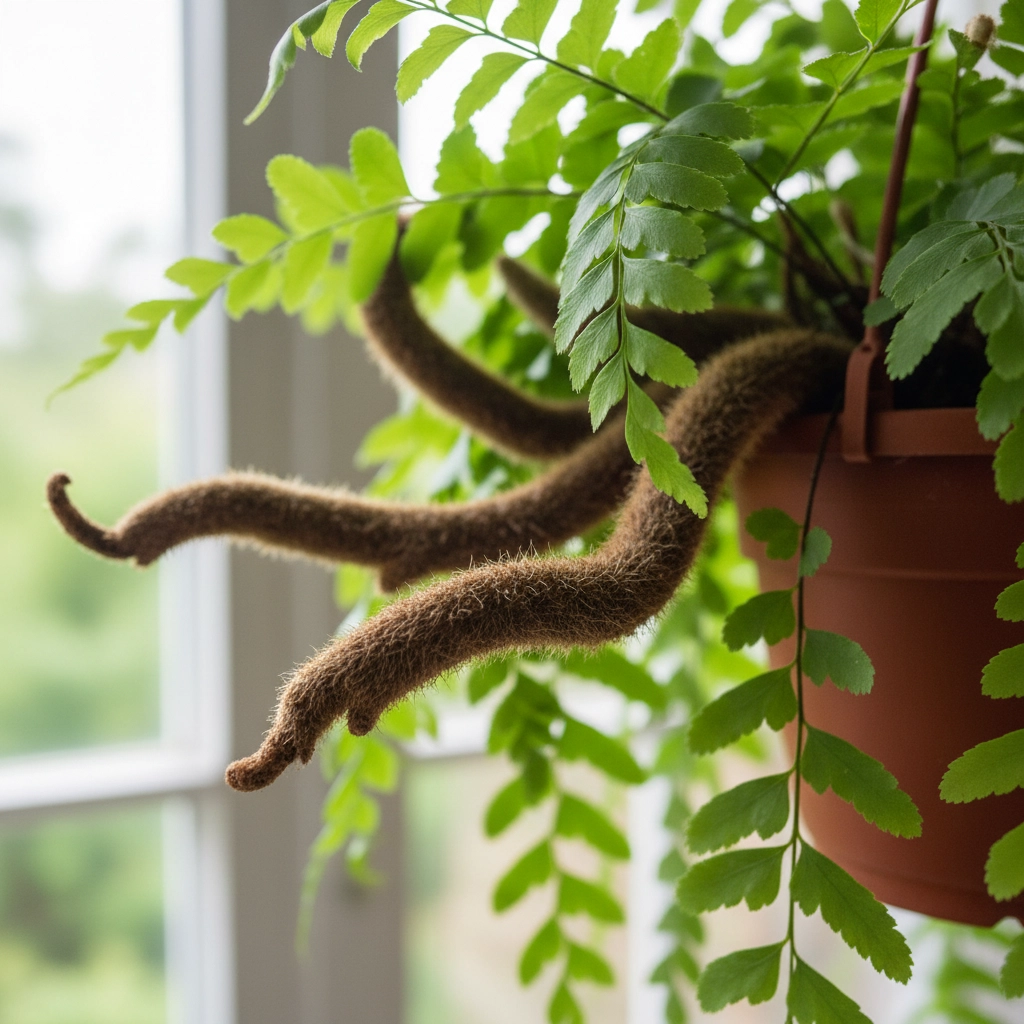
Rabbit’s Foot Fern (Davallia fejeensis)
If you want a fern that looks exotic but acts easy-going, this is your plant. The Cretan Brake Fern has this gorgeous variegated foliage – silvery-green centers with dark green edges that make it look way more high-maintenance than it actually is.
This Mediterranean native is surprisingly adaptable to indoor conditions and handles humidity levels as low as 40%, though it prefers 50-60%. The palm-like growth pattern stays compact (1-2 feet), making it perfect for shelves or tabletops.
Why it works: Consistent care without drama. Bright, indirect light, regular watering, and occasional misting. That's literally it. No special soil, no precise temperature requirements, just basic good care.
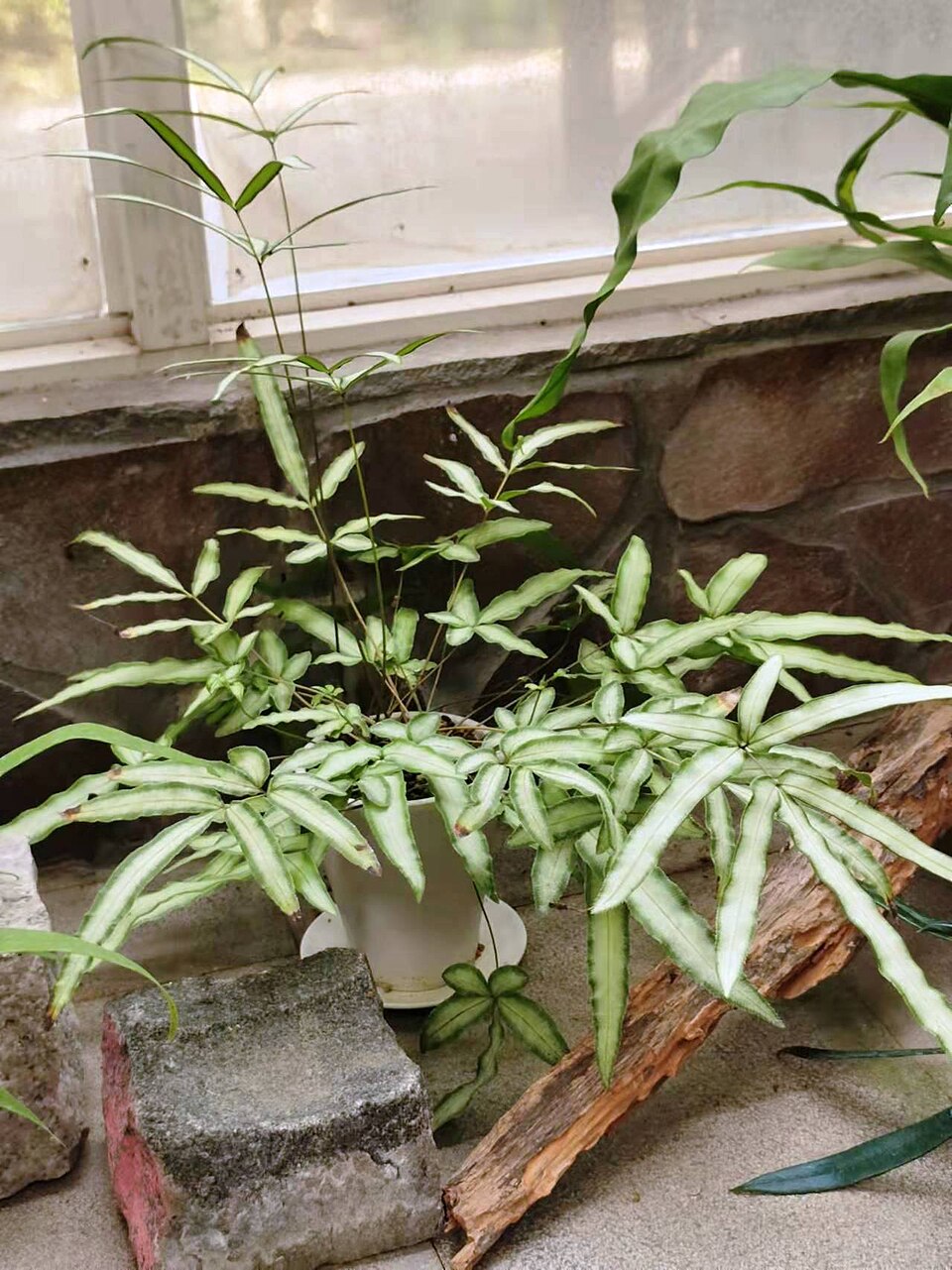
Cretan Brake Fern (Pteris cretica)
Perfect for small apartments or anyone who wants fern vibes without the commitment of a large plant. The Button Fern maxes out around 12-18 inches, but those round, glossy "buttons" create this incredible texture that photographs beautifully.
Despite looking delicate, this little fern is surprisingly tough. It prefers 50-60% humidity but won't throw a tantrum if your levels drop occasionally. Those leathery leaves help it retain moisture better than the more delicate fern varieties.
Perfect for: Desk plants, bathroom counters, or anywhere you want that fern aesthetic in a small package. Water when the top inch feels dry, provide bright, indirect light, and mist weekly.

Button Fern (Pellaea rotundiflora)
Full disclosure: Maidenhair ferns have a reputation for being difficult, but hear me out. The American Maidenhair (Adiantum pedatum) is significantly easier than its tropical cousins, and when you get the care right, nothing beats that delicate, cloud-like foliage.
These ferns are humidity addicts – we're talking 60-80% levels. But here's the secret: they're worth the effort. Those fan-shaped leaflets on black stems create this incredible texture that makes every other plant in your collection look better by association.
The humidity hack: Group your Maidenhair with other humidity-loving plants, use a humidifier, or keep it in a bright bathroom. Consistent moisture is crucial; think damp sponge, never soggy, never dry.

Black Maidenhair Fern (Adiantum capillus-veneris)
Let's talk reality: most homes sit around 30-40% humidity, which is basically desert conditions for these plants. But you don't need to turn your house into a greenhouse to grow gorgeous ferns. If you're in the southeastern United
Easy humidity boosters:
The misting debate: Some people swear by daily misting, others say it causes problems. The truth? Mist around your ferns, not directly on them. You want to increase air humidity, not create wet leaves that invite fungal issues.
All these ferns share some common needs that make them work well together if you're planning a fern collection:
Light: Bright, indirect light is the sweet spot. Think of the light filtering through a forest canopy – bright enough to read by, but no direct sun hitting the leaves.
Watering: Consistent moisture without waterlogging. Most ferns prefer to dry out slightly between waterings, but never to the point of wilting. When in doubt, stick your finger into the soil – if the top inch is dry, it's time to water.
Soil: Well-draining potting mix that retains some moisture. A standard houseplant mix with some peat moss or coconut coir works perfectly.
The best part about growing ferns indoors? Once you dial in their care routine, they're incredibly rewarding plants. They grow steadily, create amazing texture in your space, and that fresh, green vibe is hard to beat.
Start with one or two varieties that speak to you, get their humidity and watering routine down, then expand your collection. Before you know it, you'll have that lush, forest-like atmosphere that makes every corner of your home feel like a peaceful retreat.
Remember, these plants want to thrive in your space – you just need to give them the right conditions to do their thing. And trust me, when a fern is happy, there's nothing quite like watching those new fronds unfurl. It never gets old.


