15 Best Ferns for Indoors to Master the 2026 Textural Maximalism Trend
, by Brian Tant, 6 min reading time
, by Brian Tant, 6 min reading time
Minimalism had a long run. By April 2026, a lot of homes look richer, greener, and far more layered. Textural maximalism fits that mood perfectly. The look leans into contrast, depth, and foliage that catches light in different ways across the room. Ferns do this better than almost any other plant group. They soften hard corners. They fill awkward gaps. They make a shelf or plant stand feel finished fast.
Ferns get labeled as fussy, though the issue is usually the setup. Give them steady moisture, decent humidity, and light that stays bright without turning harsh, and many of them settle in well. The payoff is huge. You get fronds that read soft, glossy, ruffled, wiry, or architectural depending on the variety. That range makes ferns a natural match for the textural maximalism trend in 2026.
Boston Fern earns its spot first because it still does the classic indoor fern job better than most. The fronds arch outward in a dense green fountain, so one plant can make a hanging basket look full in no time. It adds movement too. Every frond seems to spill into the space around it, which helps a room feel less flat. Kimberly Queen Fern takes that same familiar fern energy and tightens it up. Its upright sword-like fronds hold their shape well, so it works when you want structure instead of a soft cascade. The pair shows how two common indoor ferns can create two very different effects.
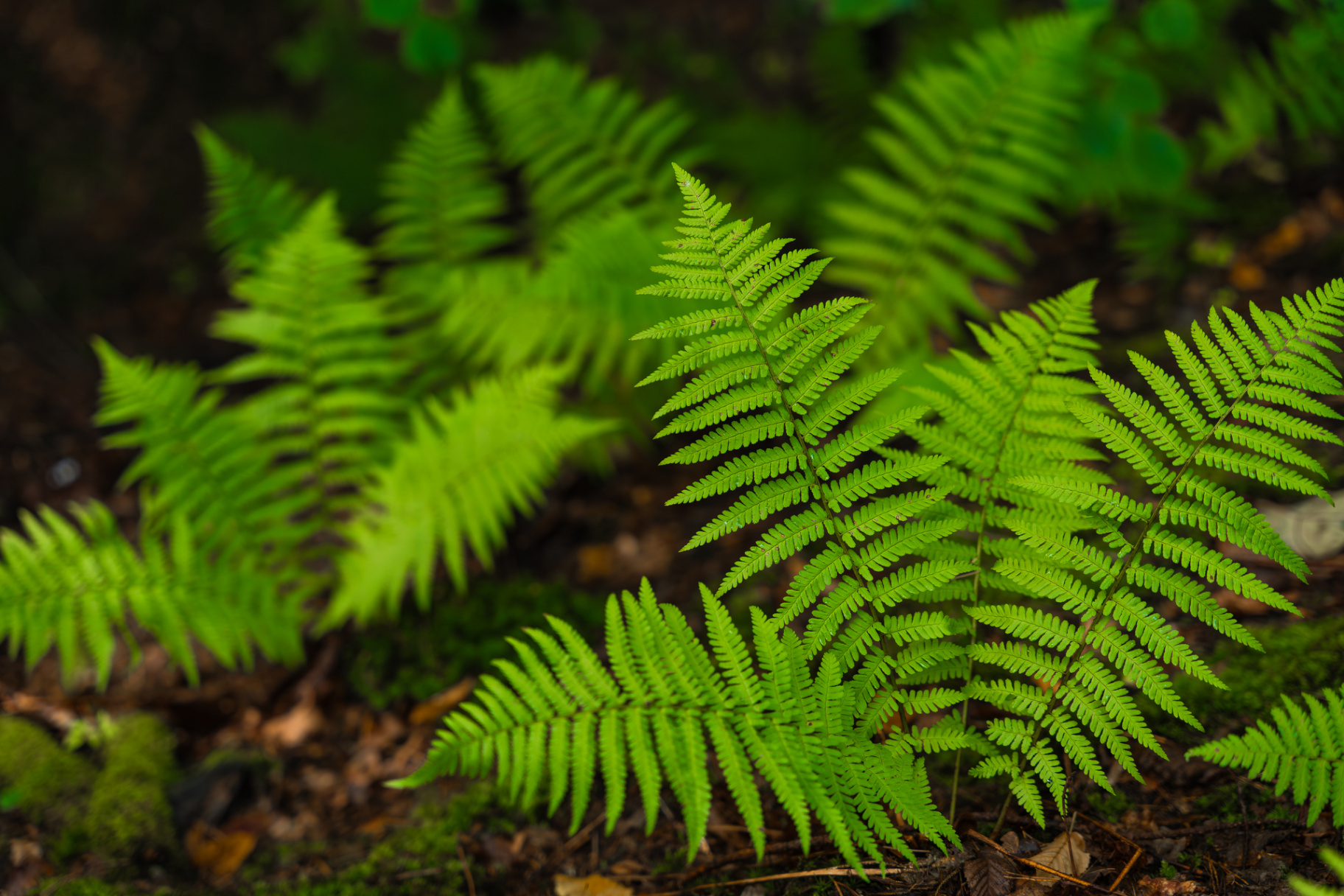
Bird’s Nest Fern shifts the texture in a totally different direction. Instead of feathery growth, it forms a rosette of broad upright fronds with a glossy finish. It reads more like living sculpture than background greenery. The ‘Victoria’ form pushes that effect further with ruffled edges and pleated leaves that catch shadows across the whole plant. Put one on a shelf near smoother foliage and the whole arrangement wakes up.
Blue Star Fern brings color into the texture conversation. Its fronds have a dusty blue-green cast that stands out even before you notice the shape. The lobed leaves look matte and slightly waxy, which makes them pop beside shinier plants. It also tends to be forgiving, so it is a smart pick if you want something unusual without signing up for constant stress. Think bright indirect light and evenly moist soil. A bathroom window or pebble tray can help it keep that cool-toned finish.
Hare-Foot Fern goes fully weird in the best way. The fuzzy brown rhizomes creep over the pot rim and look almost animal-like at first glance. That odd detail is exactly why it works so well for textural maximalism in 2026. You get softness from the rhizomes and lace from the fronds in the same plant. It feels playful. It also looks great with mossy containers or a kokedama display.
Maidenhair Fern still owns the fine-texture category. The leaflets look light as air, and the wiry dark stems give the whole plant a floating look. It can be dramatic if you miss a watering, so keep the soil from drying out. When it stays happy, it softens everything around it. Set it near a pitcher plant or a broad philodendron leaf and the contrast gets even better. Asparagus Fern, often sold as Plumosa Fern, gives a similar cloud-like effect with less tension. It is not a true fern botanically, but it earns a place here because the texture is so useful indoors.
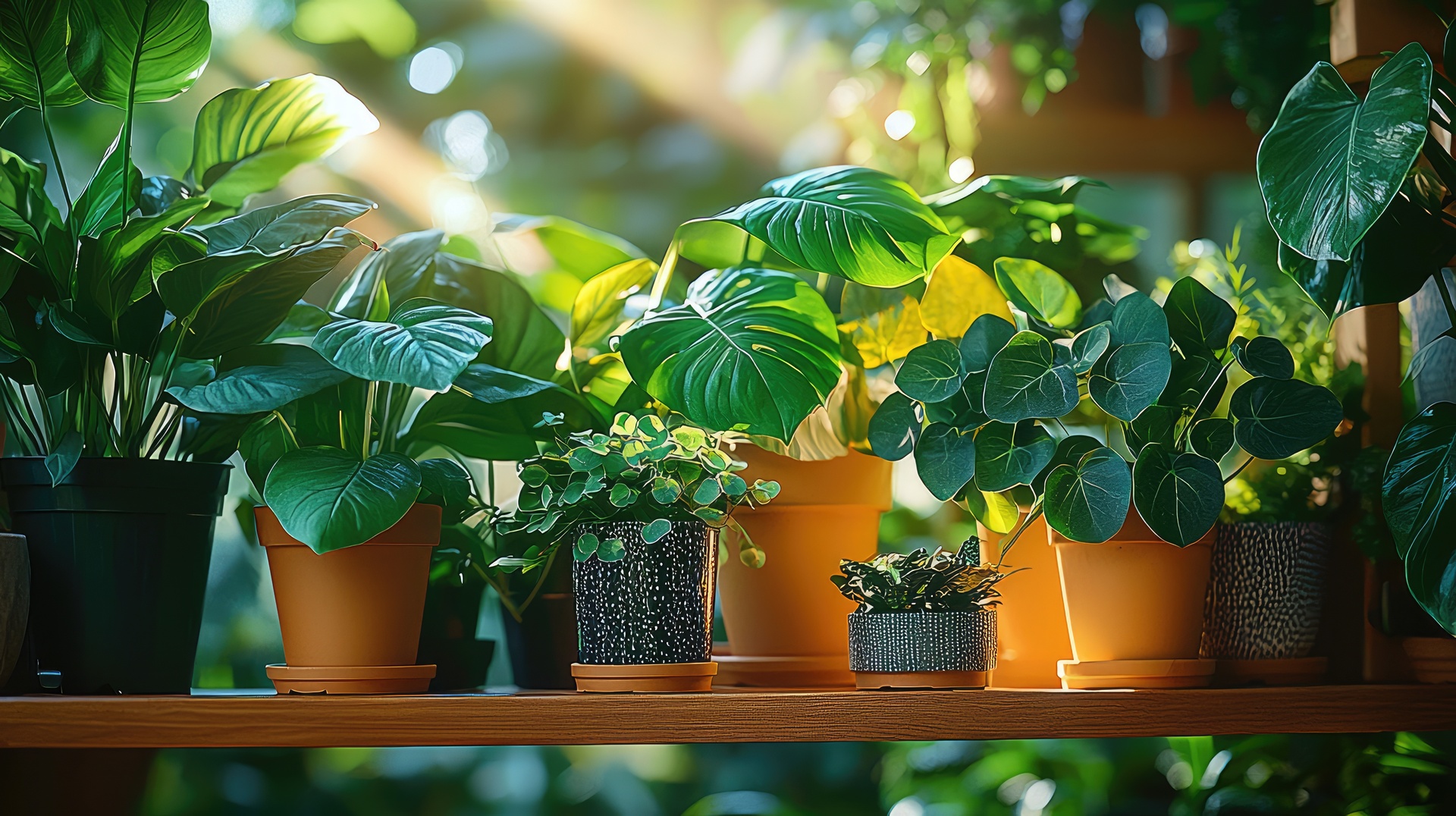
Cretan Brake Fern brings variegation into the mix without losing that fern softness. The fronds show pale gray-green color with a bright white stripe through the center, and the cut leaf shape gives it a refined look. It feels almost hand-drawn. Jurassic™ Velociraptor Ribbon Fern goes in the opposite direction. It looks wild, full, and a little prehistoric, which fits the indoor jungle mood of April 2026 perfectly. Give it bright light without harsh afternoon sun and let it show off.
Button Fern changes the scale. Its small round leaflets feel neat and compact, which makes flowing ferns around it look even looser. Kangaroo Paw Fern adds thicker foliage with a slightly leathery feel, so it can anchor softer plants nearby. Silver Lady Fern brings height and shape with growth that hints at a tiny tree fern. It works well as a focal point on a table or plant stand. Lemon Button Fern brightens the whole group with yellow-green foliage and a light citrus scent if you brush the leaves.
Crocodile Fern deserves a place in this conversation because the fronds look embossed. The surface has a ridged pattern that really does recall reptile skin. It adds visual weight without getting bulky. Staghorn Fern changes the silhouette more than any of the others. Mounted on a board or basket, it turns into living wall art. Holly Fern brings dark glossy leaflets that read cleaner and sharper than the softer fern types. Autumn Fern rounds out the group with fresh coppery new growth that matures to green, so the plant gives you color contrast as well as texture. Japanese Painted Fern finishes strong. Its silver washed fronds with burgundy tones look almost metallic in the right light, which is a gift if your shelf needs a cooler color note.
Care note: This guide is for general plant care. Conditions vary by home and season. If you have pets/kids with sensitivities, use extra caution and place plants out of reach. Avoid chemicals or fertilizers unless you’re sure they’re carnivorous-plant safe.
Growing a fern-heavy setup in 2026 means thinking more about moisture in the air and less about strict schedules. Aim for soil that feels like a wrung-out sponge. Not soggy. Not bone dry. Many indoor ferns also respond well when you group them close together, since they raise humidity around each other a bit. Brown edges usually mean the air is dry, the watering got uneven, or the plant is getting hit with too much sun. Small adjustments help fast. You can also read our guide on ferns and moss if you want to build a more layered planting style.
Textural maximalism works best when your plants do not all say the same thing. Mix upright ferns with trailing ones. Pair matte fronds with glossy ones. Let one plant go soft and airy, then place something ridged or ruffled beside it. That is where the style comes alive. These fifteen ferns give you plenty to work with, whether you are building your first indoor fern corner or pushing your plant shelf into full jungle mode. Keep the light gentle. Keep the moisture steady. Let the textures do the heavy lifting.


