
Bogging Down: Building a Sarracenia Sanctuary This Spring
, by Brian Tant, 5 min reading time
, by Brian Tant, 5 min reading time
Spring always wakes up the carnivorous side of the plant world. By April 2026, Sarracenia are already gearing up for fresh pitchers, strange flowers, and a long season in the sun. If you have ever wanted to build a planting that feels a little wild and a little prehistoric, an outdoor bog garden is a great place to start.
Sarracenia are not hard to please once you give them the conditions they actually want. They like full sun. They like wet roots. They hate mineral heavy water and rich potting soil. A bog garden solves all of that in one move. You stop fighting the plant and start building around its habits.
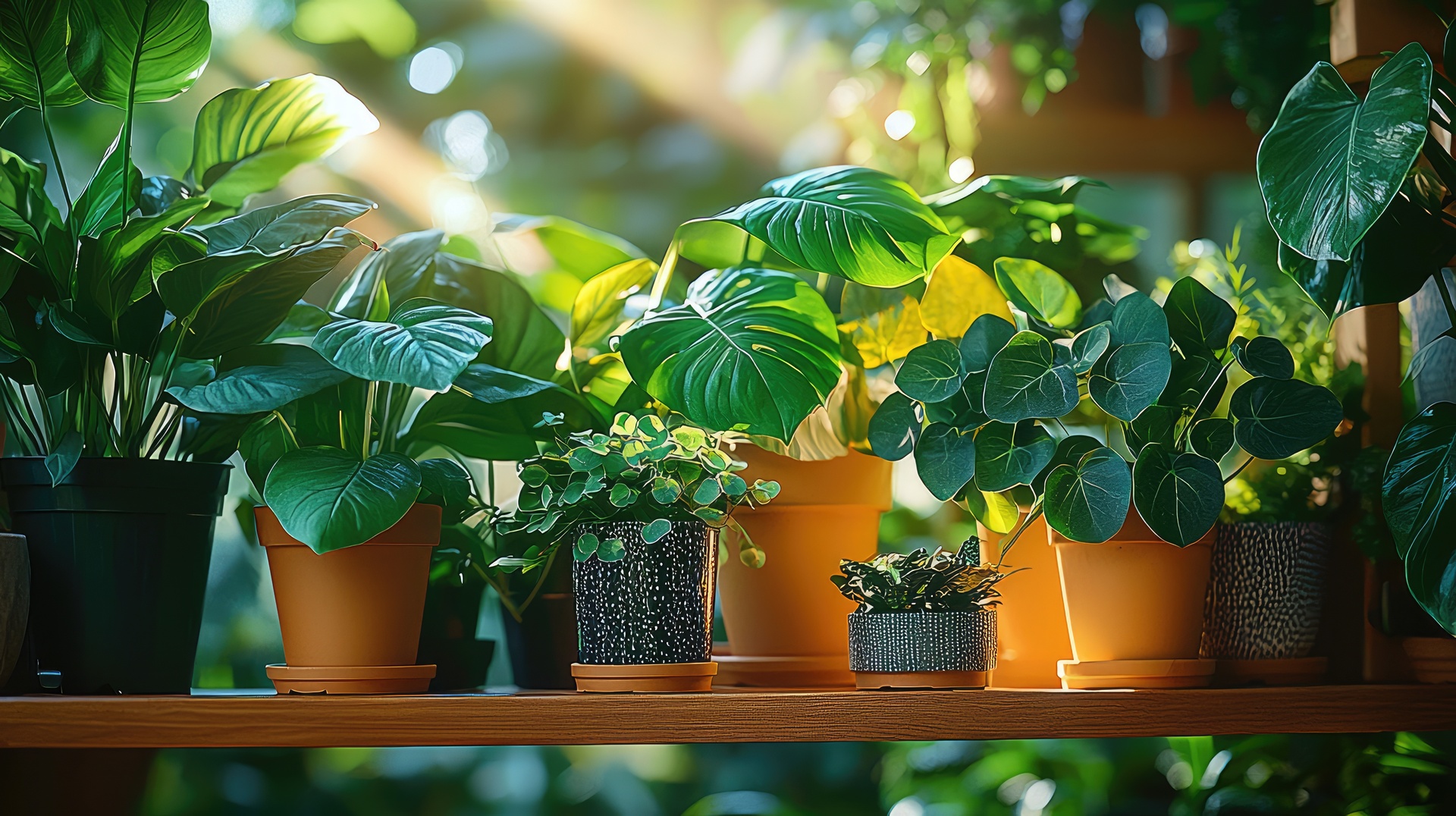
Image: A vibrant display of exotic greenery at the Frond and Fang greenhouse. Photo provided by Frond and Fang.
Start with location. Give your bog a spot that gets at least six hours of direct sun. More is better. Morning through afternoon sun is ideal because it keeps the pitchers sturdy and colorful. In weak light, Sarracenia stretch, fade, and lose a lot of the drama that makes them so fun to grow.
Pick a vessel that holds water instead of draining it away. A buried pond liner works well if you want something permanent. A large glazed planter with no drainage hole works if you want a smaller setup on a patio. Depth matters here. Aim for about twelve to eighteen inches if you are building an in ground bog. That extra volume helps the planting stay moist during hot spells in July and August.
The potting mix makes or breaks the whole project. Skip standard potting soil. Skip compost. Skip anything with fertilizer in the bag. Sarracenia roots want a lean mix with no nutritional extras. Use plain sphagnum peat moss mixed with coarse silica sand in a two to one ratio. Some growers use perlite, though sand gives the bog a heavier feel and keeps the mix from floating all over the place. Wet the peat before you fill the container. Dry peat repels water like a stubborn sponge. Once hydrated, it should feel damp and loose instead of soupy.
Image: A close-up of a Sarracenia Purpurea, showcasing its unique trap structure. Photo by David Clode on Unsplash.
Set each plant so the rhizome sits at the soil surface or just above it. Do not bury it deep. That thick horizontal crown needs air around the top or it can rot. Give larger growers room to spread. A tall leucophylla can throw up impressive pitchers by late summer, while purpurea stays low and wide and looks great near the edge of the planting. The finished bog should feel full, but not jammed together.
Water quality is the part people try to cheat. The plants usually win that argument. Use rainwater, distilled water, or reverse osmosis water only. Tap water often carries dissolved minerals that build up in the soil over time. That slow buildup can weaken the roots and wreck a bog that looked fine a month earlier. If you can collect rainwater, do it. A simple rain barrel makes life easier all season.
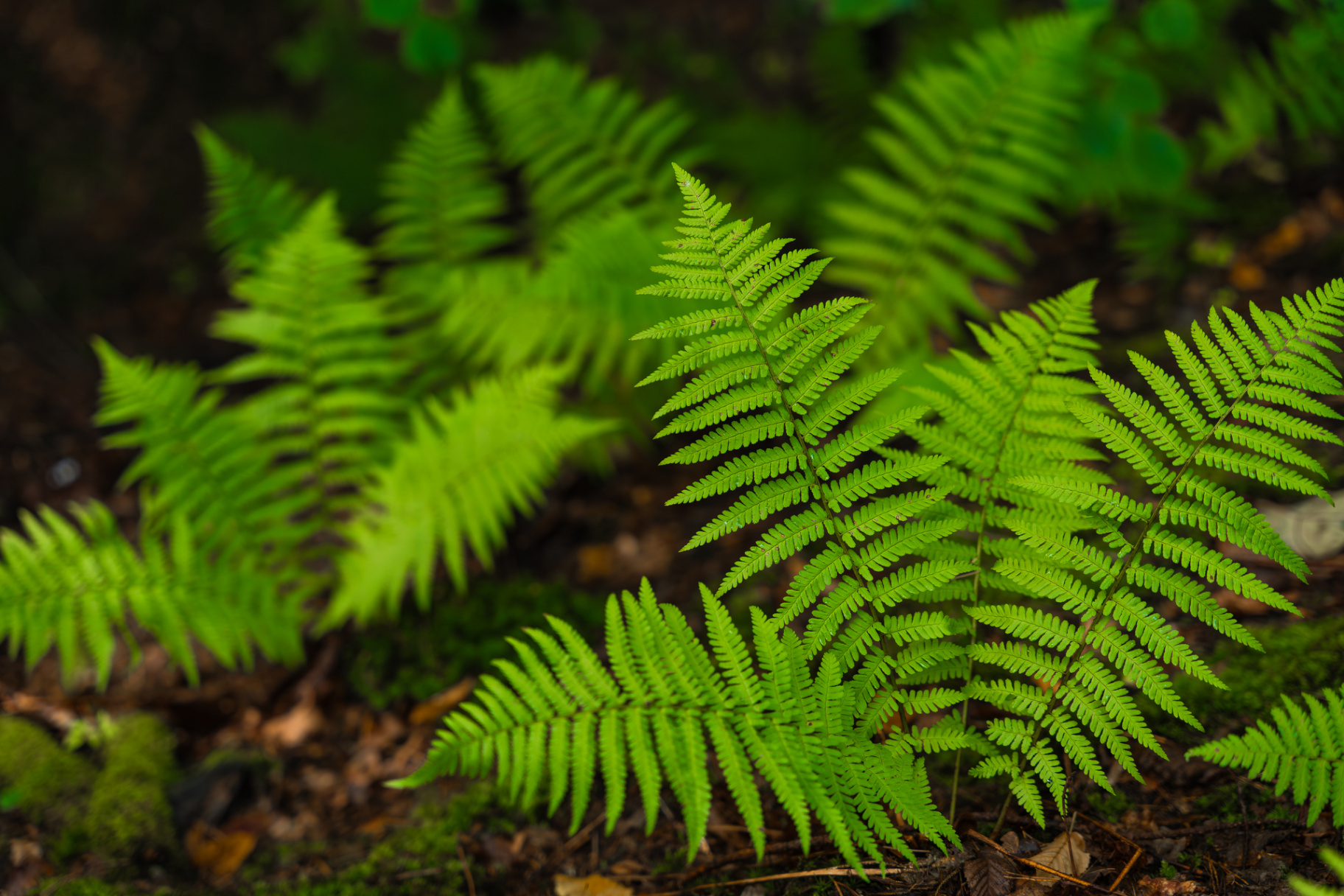
Image: Healthy ferns and moss, which can provide inspiration for the textures in a bog garden border. Photo provided by Frond and Fang.
By April 2026, you may still see last year's pitchers hanging around in rough shape. Trim off the brown and collapsed growth so new pitchers can come up cleanly. Leave fresh growth alone. Sarracenia flowers often show up before the new traps fully open, which gives the whole planting a nice weird little spring moment. They look like dangling lanterns from another planet. That is part of the charm.
A mini bog works too if you are not ready to commit to a larger build. The same rules apply. Use a container with no drainage. Fill it with peat and sand. Keep it in strong sun. Water with mineral free water. Small scale still counts. You can learn a lot from one pot, and it is easier to move if you need to adjust the light.
Care note: This is general guidance for carnivorous plant care. Use only insect-safe practices and avoid fertilizers/“miracle” additives unless they’re specifically labeled safe for carnivorous plants. Standing water and high humidity can increase mold/algae. Monitor and adjust as needed. If you have pets/kids, keep plants and any feeder insects out of reach.
As summer moves in through 2026, keep the water line close to the surface. An inch or two below the top of the soil usually works well. You want a saturated mix, not a deep pond over the crowns. If live moss starts to creep across the surface, that often means your moisture level is in a good place. The bog starts to settle in and look like it belongs there.
This kind of planting earns attention fast. People stop and stare at pitcher plants. They do not look like anything else in the yard. If you want a few companions around the edges, a Cape Sundew or a Typical Venus Flytrap can fit the same general care style in a sunny carnivorous setup. If you need a place to start, you can browse our beginner plant collections or reach out through our contact page.
Get the sun right. Get the vessel right. Get the peat, sand, and water right. After that, the plants do a lot of the showmanship on their own. Happy planting, and stay leafy!


