
The Beginner's Guide to Your First Venus Flytrap
, by Brian Tant, 11 min reading time
, by Brian Tant, 11 min reading time
Owning a Venus flytrap feels like holding a small, snapping piece of prehistory in the palm of your hand. There is a certain magic that comes with keeping a plant that moves, reacts, and hunts. Many people shy away from these carnivorous beauties because they have a reputation for being finicky or short-lived. The truth is much more encouraging. These plants are survivors that have carved out a niche in some of the most nutrient-poor environments on the planet. If you can recreate just a few specific conditions of their ancestral home, you will find that a Venus flytrap is actually quite hardy. We want to bring that Moondance pagan festival energy right into your living space, making these exotic specimens accessible to every modern bog dweller who feels the call of the wild and the weird.
You might have heard that Venus flytraps are nearly impossible to keep alive for more than a few weeks. This common misconception usually stems from people treating them like a standard pothos or a philodendron. They are not typical houseplants and they refuse to be treated as such. Once you shift your perspective and realize they have a completely different set of rules, the difficulty vanishes. Think of them more like a pet than a stationary decoration. They need specific "food" and "water" requirements that differ from your average fern. When you get these basics down, you will see your plant thrive and even produce delicate white flowers in the spring. You are stepping into a world of specialized horticulture that feels rewarding and deeply tactile.

If there is one thing that will kill your flytrap faster than anything else, it is tap water. Most plants enjoy the minerals found in ground water, but carnivorous plants have evolved to survive in bogs where minerals are nearly non-existent. Their roots are designed to take in water and nothing else. They get all their "vitamins" from the insects they catch. We have talked about this before in our previous posts, but it bears repeating because it is the foundation of bog gardening. You must use distilled water, reverse osmosis water, or rainwater. Typical tap water is full of salts, chlorine, and minerals that will slowly burn the sensitive roots of your plant. This process is called mineral burn and it is often the silent killer of many first-time flytraps.
Keeping your plant hydrated is a ritual. The tray method is the most effective way to ensure they stay moist without drowning the crown. Simply place your pot in a shallow saucer or tray filled with about an inch of distilled water. Let the plant soak it up from the bottom. This mimics the natural bog environment where the soil is constantly damp but the air is fresh. Check the tray every few days and refill it when the water level gets low. You want the soil to feel like a wrung-out sponge, never bone dry and never completely submerged in a deep pool. This simple habit keeps the humidity high around the base of the plant and ensures the roots never feel the stress of a drought.
Venus flytraps are sun worshippers in the truest sense. In the wild, they grow in open savannas where they receive unobstructed sunlight for the majority of the day. To keep them happy in your home, you need to find the brightest spot available. A south-facing windowsill is usually the best bet for those of us in the northern hemisphere. Your plant needs at least six hours of direct sunlight every day to maintain its vibrant colors and strong traps. If you notice the traps are staying green and the leaves are becoming long, thin, and spindly, your plant is begging for more light. This is its way of stretching out to find a better energy source.
For the modern bog dweller living in a space with limited natural light, high-quality LED grow lights are a perfect solution. You can maintain a lush collection of Venus flytraps even in a basement if you have the right equipment. Position the lights about six to eight inches above the plant and leave them on for 14 to 16 hours during the peak growing season. This intense light schedule ensures the plant has enough energy to power its mechanical traps. Remember that closing a trap takes a massive amount of energy. Without enough light, the plant won't have the "batteries" required to hunt effectively.

The soil used for a Venus flytrap should look like something pulled from a dark, moody marsh. You want a medium that is acidic and devoid of any added fertilizers. Never use standard potting soil or anything with "moisture control" pellets. These products are loaded with nitrogen and minerals that will overwhelm your plant. The classic mix is a fifty-fifty blend of peat moss and perlite. This combination provides the perfect balance of moisture retention and aeration. You can also use long-fiber sphagnum moss for a more aesthetic, tactile feel that fits the Frond and Fang vibe perfectly.
The texture of the soil is part of the experience. It should feel cool and damp to the touch, resembling the floor of a mystical forest. When you are repotting, be gentle with the roots. They are thin, black, and surprisingly fragile. Firm the soil around the base of the plant just enough to keep it upright but avoid packing it down so tight that the roots can't breathe. A well-potted flytrap in a charcoal-colored ceramic pot looks stunning against the bright green or deep red of the leaves. We recommend checking out our carnivorous plants collection to see the different varieties, like the Venus flytrap Red Dragon, which looks incredible in a dark setting.
It is incredibly tempting to poke the traps to watch them shut. We all want to see that lightning-fast reaction. You must resist the urge to trigger the traps for fun. Each trap on a Venus flytrap has a limited number of "uses" before it turns black and dies. It takes a significant amount of metabolic energy to snap those jaws shut and even more energy to reopen them if no food was caught. If you constantly trigger the traps with your finger or a toothpick, the plant will eventually exhaust itself and die. Think of the traps as highly specialized tools. They should only be used when there is a payoff in the form of a nutritious insect.
When a trap does catch something, the process is fascinating to watch. The plant has tiny trigger hairs inside the lobes. An insect must touch these hairs twice within a twenty-second window to signal the trap to close. This prevents the plant from wasting energy on falling leaves or raindrops. Once closed, the trap creates a seal and begins secreting digestive enzymes. This is the ultimate "slow food" movement. It can take a week or more for the plant to fully digest its prey. When the trap finally reopens, only the crunchy exoskeleton of the bug remains, ready to be blown away by the wind or washed out by the rain.

While the Venus flytrap is usually the gateway plant for many enthusiasts, the world of bog plants is vast and diverse. You can create a miniature ecosystem by pairing your flytrap with other moisture-loving species. Sundews are excellent companions because they share the same water and light requirements. Their glistening, dew-covered tentacles add a different texture to your display. Incorporating mosses around the base of your pots helps maintain humidity and gives the entire arrangement a more established, natural look. It feels like bringing a piece of the Moondance festival into your home, a small altar to the power of nature.
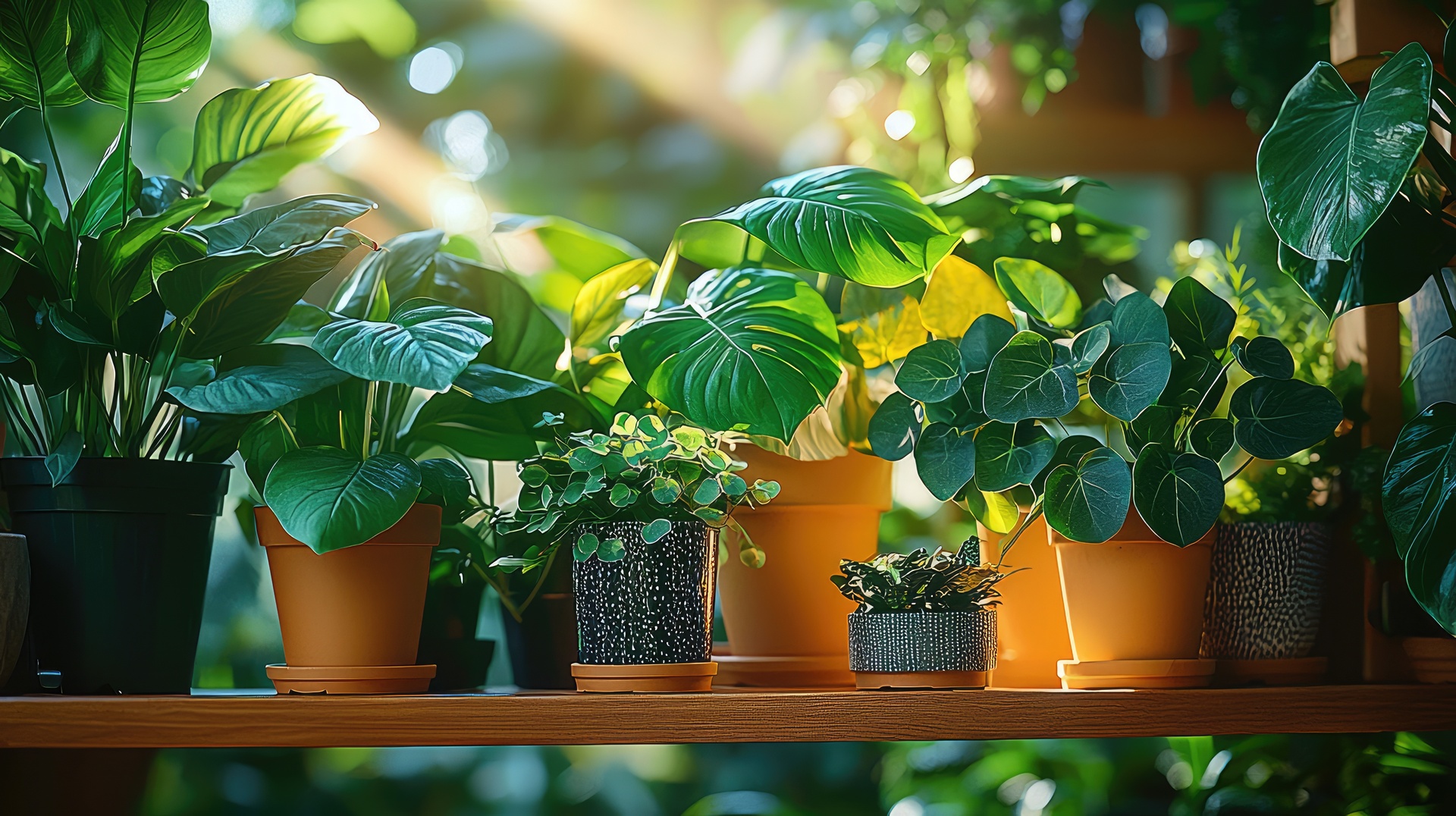
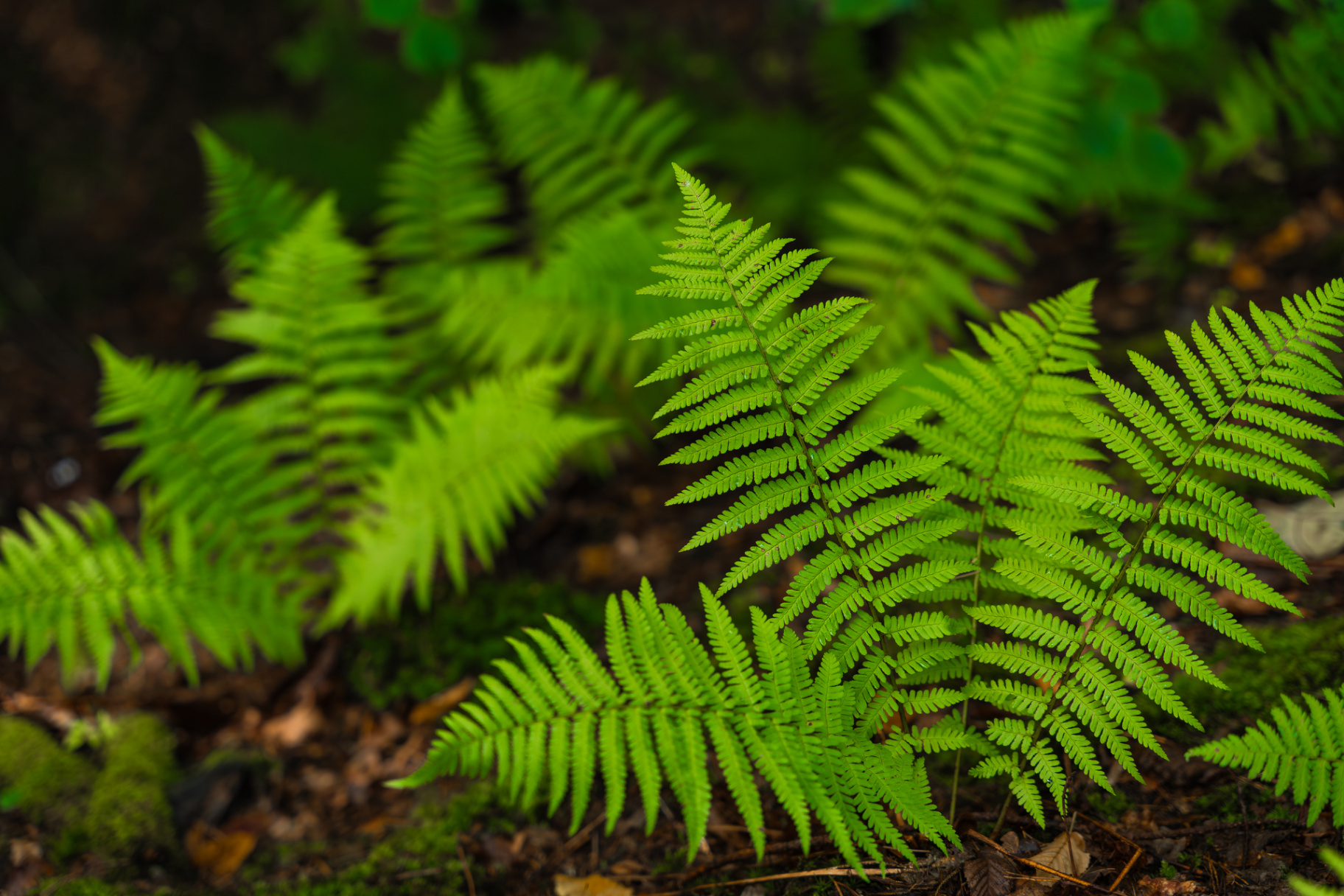
Ferns also make wonderful neighbors for a bog-inspired shelf, provided they are kept in slightly different conditions. While your flytrap needs the harsh direct sun, something like a Birdsnest Fern or a Rabbits Foot Fern can sit just off to the side in the dappled light. This layering of textures, from the sharp teeth of the flytrap to the soft, velvet fronds of a Lisa Maidenhair Fern, creates a visual depth that is hard to beat. It turns a simple plant collection into a living gallery of exotic greenery.
Understanding the seasons is vital for long-term success. Venus flytraps are not tropical plants. They are native to the Carolinas in the United States, which means they are used to having a winter. As the days grow shorter and the temperatures drop in the fall, your plant will begin to look a bit tired. This is perfectly normal. It is entering a period of dormancy that is essential for its health. During this time, the plant will stop growing new traps and some of the old ones might turn black. It isn't dying; it is just sleeping.
During dormancy, you should reduce the amount of water in the tray. The soil still needs to be damp, but the plant won't be drinking nearly as much as it does in the summer. You can move it to a cooler spot, like an unheated garage or a chilly windowsill, as long as the temperature stays above freezing. This rest period allows the plant to store energy for a burst of vigorous growth in the spring. If you skip dormancy by keeping the plant in a warm, brightly lit room all year, it will eventually weaken and lose its vigor after a season or two. Respecting the natural cycle of the plant is part of being a responsible bog dweller.
Choosing your first plant is an exciting step. We often recommend starting with a healthy, established specimen rather than trying to grow them from seed, which can be a slow and frustrating process for beginners. Varieties like the Venus flytrap B52 are known for their large traps and vigorous growth, making them very rewarding to watch. When you receive your plant, give it a few days to acclimate to your home environment before making any big changes. If you have questions about which plant is right for your specific lighting situation, you can always reach out to us through our contact page.
We believe that everyone should experience the joy of keeping these incredible plants. They connect us to a side of nature that is often hidden away, reminding us that the world is full of strange and wonderful adaptations. Whether you are looking for perfect gifts for a fellow plant lover or you want to start your own collection of beginner plants, the Venus flytrap is a classic choice that never fails to spark conversation. Take the leap and embrace the bog. Your first flytrap is just the beginning of a lifelong fascination with the carnivorous world.
Care note: This is general guidance for carnivorous plant care. Use only insect-safe practices and avoid fertilizers or "miracle" additives unless they are specifically labeled safe for carnivorous plants. Standing water and high humidity can increase mold or algae, so monitor your plants and adjust as needed. If you have pets or kids, keep plants and any feeder insects out of reach.
Brian, if you could take a look at this post and let me know if it meets your approval, that would be great. I have scheduled it for the upcoming Monday slot. Everything is set with the correct links and tags for the Frond and Fang site. Don't forget to double-check the image captions before we go live.


