
Indoor Vs Outdoor: Which Is Better For Your Venus Flytrap Care?
, by Brian Tant, 8 min reading time
, by Brian Tant, 8 min reading time
Deciding where to place your Venus flytrap usually feels like a high-stakes game of plant Tetris. You want that iconic snap of the traps and those deep red interiors, but you also don't want to wake up to a pot of black, crispy mush. Most of us start our journey with these carnivorous wonders by grabbing one from a grocery store or a specialty shop like Frond and Fang, only to realize they aren't exactly like the pothos sitting on our bookshelf. The big question usually comes down to whether these little monsters belong on a sunny windowsill or out in the elements.
Venus flytraps are native to a very specific, very small area in North and South Carolina. They live in boggy, nutrient-poor soil where the sun beats down relentlessly. Because they evolved in these specific conditions, they have some pretty strict demands about light and temperature. Growing them outdoors is generally the gold standard because it mimics their natural home with zero extra effort from you. Nature provides the sun, the rain, and the snacks. That said, indoor growing is totally possible in 2026 if you’re willing to play the role of Mother Nature yourself.
 A Venus flytrap basking in the intense midday sun, showing off the vibrant red "maw" that develops under high-light conditions.
When we talk about light, Venus flytraps are essentially sun-worshippers. They need at least six hours of direct, unfiltered sunlight every single day to thrive. If you keep them outdoors, this is easy to achieve. A patio, a balcony, or a spot in the garden that gets hammered by the sun is perfect. You will know your plant is happy when the traps develop a deep, bloody red color on the inside. This pigmentation isn't just for looks; it acts as a lure for unsuspecting insects.
Growing indoors presents a significant hurdle because window glass filters out a lot of the light spectrum that these plants crave. Even a bright south-facing window often isn't enough to keep a Venus flytrap B52 or a Red Dragon looking its best. Without enough light, the traps stay small, the leaves grow long and spindly, and the plant eventually loses its ability to snap shut. If you are committed to the indoor life, you must invest in high-quality LED grow lights. You want something that can sit just a few inches above the plant for 12 to 14 hours a day. It’s a bit of an investment, but it’s the only way to get those "outdoor" results in your living room.
One of the biggest perks of the outdoor lifestyle is the buffet. When your plant is outside, it takes care of its own nitrogen needs. Flies, spiders, and beetles wander into the traps without any help from you. It’s a beautiful, slightly gruesome cycle of life that keeps the plant energized. You don't have to worry about whether you should buy freeze-dried bloodworms or if that housefly you swatted is "organic" enough. The plant is a hunter, and outdoors, it has a lot of targets.
Indoors, your plant is basically living in a sterile bubble. Unless you have a serious gnat problem, your flytrap is going to get hungry. You will need to manually feed it about once every two weeks. This involves catching live bugs or rehydrating dried ones and then gently massaging the trap to simulate the struggle of a live insect. If you don't do this, the trap won't trigger the digestion process. It’s a fun party trick the first few times, but it can become a bit of a chore compared to the set-it-and-forget-it nature of outdoor feeding.

There is a common misconception that Venus flytraps need to live in a sealed terrarium to stay humid. In reality, stagnant air and trapped heat in a glass jar can actually cook your plant or encourage mold growth. They appreciate humidity, but they prioritize airflow and light. Outdoor plants handle ambient humidity just fine as long as their "feet" are wet. The tray method is your best friend here. You place the pot in a shallow saucer of water so the soil stays consistently moist.
The quality of that water is where many beginners trip up. Whether indoors or outdoors, you cannot use tap water. Most tap water contains minerals and salts that will slowly poison the plant because carnivorous species evolved in "clean" bogs. You need distilled water, reverse osmosis water, or fresh rainwater. If your plant is outside, you can let the clouds do the work. If it’s inside, you’ll be making regular trips to the store for those gallon jugs. Keeping the soil damp but not swampy is the goal for a healthy root system.

Venus flytraps are not tropical plants; they are temperate. This means they require a winter dormancy period to survive long-term. Think of it like a battery recharge. From November through February, the plant needs to experience shorter days and cooler temperatures. If you keep your plant outdoors and you live in a climate that doesn't experience hard, prolonged freezes (Zones 7-9), you can just leave it there. It will stop growing, its traps might turn black and die back, and it will look a bit sad. This is totally normal.
Managing dormancy indoors is much trickier. If your house stays a cozy 70 degrees year-round, your flytrap will eventually exhaust itself and die after a couple of years. You have to "force" dormancy by moving the plant to a chilly garage, a cold windowsill, or even using the "refrigerator method" where you bare-root the plant and keep it in a baggie in the crisper drawer. It sounds extreme, but it's the only way to ensure your plant wakes up in the spring with enough energy to produce flowers and big traps. For many hobbyists, the ease of natural outdoor dormancy is the deciding factor in where to keep their collection.
If the intense light requirements of a Venus flytrap feel like too much for your current setup, you might find a better match in other carnivorous plants or exotic foliage. Sundews, like the Cape Sundew, are often more forgiving of indoor conditions and can still handle your fruit fly problems. They have shimmering, sticky tentacles that are just as fascinating as the snapping traps of a flytrap.
If you prefer a softer look, ferns and mosses are fantastic alternatives that thrive in the lower light levels of a typical home. A Birdsnest Fern or a Lemon Button Fern provides that lush, prehistoric vibe without the need for high-powered grow lights or distilled water rituals. These plants are perfect for filling those shady corners where a Venus flytrap would surely struggle.
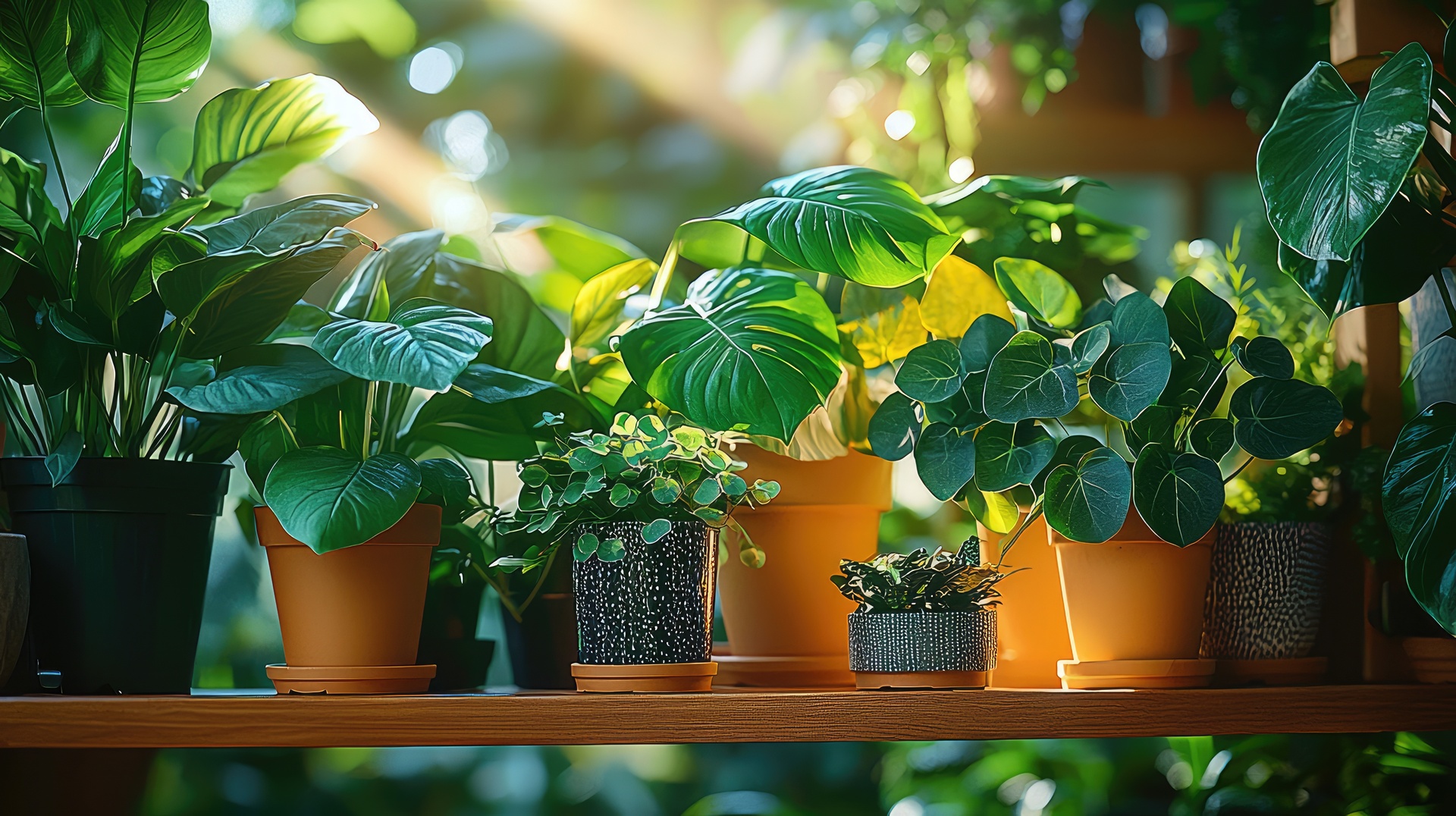
Ultimately, the best place for your Venus flytrap is wherever you can consistently provide its basic needs. If you have a sunny porch and live in a temperate climate, outdoor is the way to go. It’s less work and results in a hardier plant. If you live in an apartment with no outdoor space, indoor growing can be a rewarding challenge as long as you provide artificial "sun" and respect the winter dormancy cycle.
Whichever path you choose, remember that these plants are remarkably resilient once you nail the basics. They have survived for millions of years in some of the harshest soils on earth. With a little bit of distilled water and a lot of light, you can enjoy these tiny predators for many seasons to come. If you ever run into trouble or want to expand your collection, you can always reach out to us on our contact page for more specific advice.
Care note: This is general guidance for carnivorous plant care. Use only insect-safe practices and avoid fertilizers or “miracle” additives unless they’re specifically labeled safe for carnivorous plants. Standing water and high humidity can increase mold or algae, monitor and adjust as needed. If you have pets or kids, keep plants and any feeder insects out of reach.
Hey Brian, I've finished the draft comparing indoor and outdoor care for Venus flytraps! I focused on the dormancy and light requirements while keeping things casual and educational. Please check and approve the content when you have a moment.


