
Carnivorous Plant Care: Preparing Your Venus Flytrap for Late Summer and Fall
, by Brian Tant, 4 min reading time
, by Brian Tant, 4 min reading time
Image: Vecteezy / Frond and Fang Asset Library (Commercial-use allowed)
The air outside starts to lose its thick summer humidity, and the afternoon shadows lengthen across your windowsill. If you grow carnivorous plants, you might notice your green charges acting a little differently. Your Venus flytrap is tuning into the changing seasons long before the first frost hits your porch. Here at Frond and Fang, we want to help you master this seasonal shift so your favorite insect-eating specimen thrives for years to come.
Native to the coastal bogs of North and South Carolina, Venus flytraps evolved to endure distinct seasons. Summer brings a frenzy of warm sunlight and buzzing insect meals. Winter brings frost, freezing rain, and a mandatory period of rest known as dormancy. Skipping this cold period exhausts the plant corm, leading to weak growth and eventual decline within a couple of seasons.
As day length shrinks in late summer, your plant senses the drop in solar energy. Growth begins to slow down naturally. Instead of producing large, upright summer traps, your flytrap starts putting out low, hugging leaves designed to capture whatever crawls along the damp soil surface. Recognizing this transition prevents unnecessary panic over perceived plant sickness.
August and early September require keeping your foot on the gas while preparing for the brakes. Give your flytrap every bit of direct sunlight you can muster. Six to eight hours of unfiltered outdoor light builds up the energy reserves needed to survive the upcoming dark months.
Water quality remains critical during these warm weeks. Tap water contains minerals that quickly poison the delicate root systems of carnivorous species. Stick strictly to rain, distilled, or reverse osmosis water with low total dissolved solids. Keep your pots sitting in a shallow saucer of water so the soil stays consistently saturated.
Avoid the temptation to trigger the traps with your fingers or feed them hamburger meat. Each snap costs the plant significant metabolic energy. If you are looking to expand your collection with other hardy varieties, check out our guide on carnivorous plants for beginners and common mistakes to avoid.

Image: USGS / Public Domain
September brings visible changes. Older traps and leaves turn yellow, then black, and wither away. New growers often assume their plant is dying right before their eyes. This dieback is completely normal plant behavior. Your flytrap is shedding its summer foliage to conserve energy for the cold rest period.
Take a clean pair of snips and trim away the dead black leaves close to the soil line. Removing decaying tissue prevents mold and fungus from taking hold in the damp medium as temperatures drop.
During this autumn window, you also want to modify your watering habits. Move away from keeping the pot submerged in a deep reservoir of water. Allow the saucer to dry out for a day between waterings, keeping the potting medium damp rather than soaked. Cooler air combined with soggy soil creates a breeding ground for root rot.
When night temperatures consistently drop below fifty degrees Fahrenheit, your flytrap enters full dormancy. You need a reliable plan for keeping the plant in temperatures between thirty-two and fifty degrees for roughly three to four months.
If you live in USDA zones seven through nine, you can leave your potted flytraps outdoors in a sheltered spot, protecting them from severe, prolonged freezes by moving them under a patio table or inside a cold frame during hard drops. Gardeners in harsher northern climates often bring pots into an unheated garage, a cool basement window, or a bright shed.
Indoor growers without cold rooms can use the refrigerator method. Gently remove the plant from its soil in late autumn, wrap the roots in slightly damp long-fiber sphagnum moss, place it inside a vented plastic bag, and tuck it into the crisper drawer for the winter months. For more winter survival strategies, read our detailed breakdown on keeping your Venus flytrap alive in the winter.
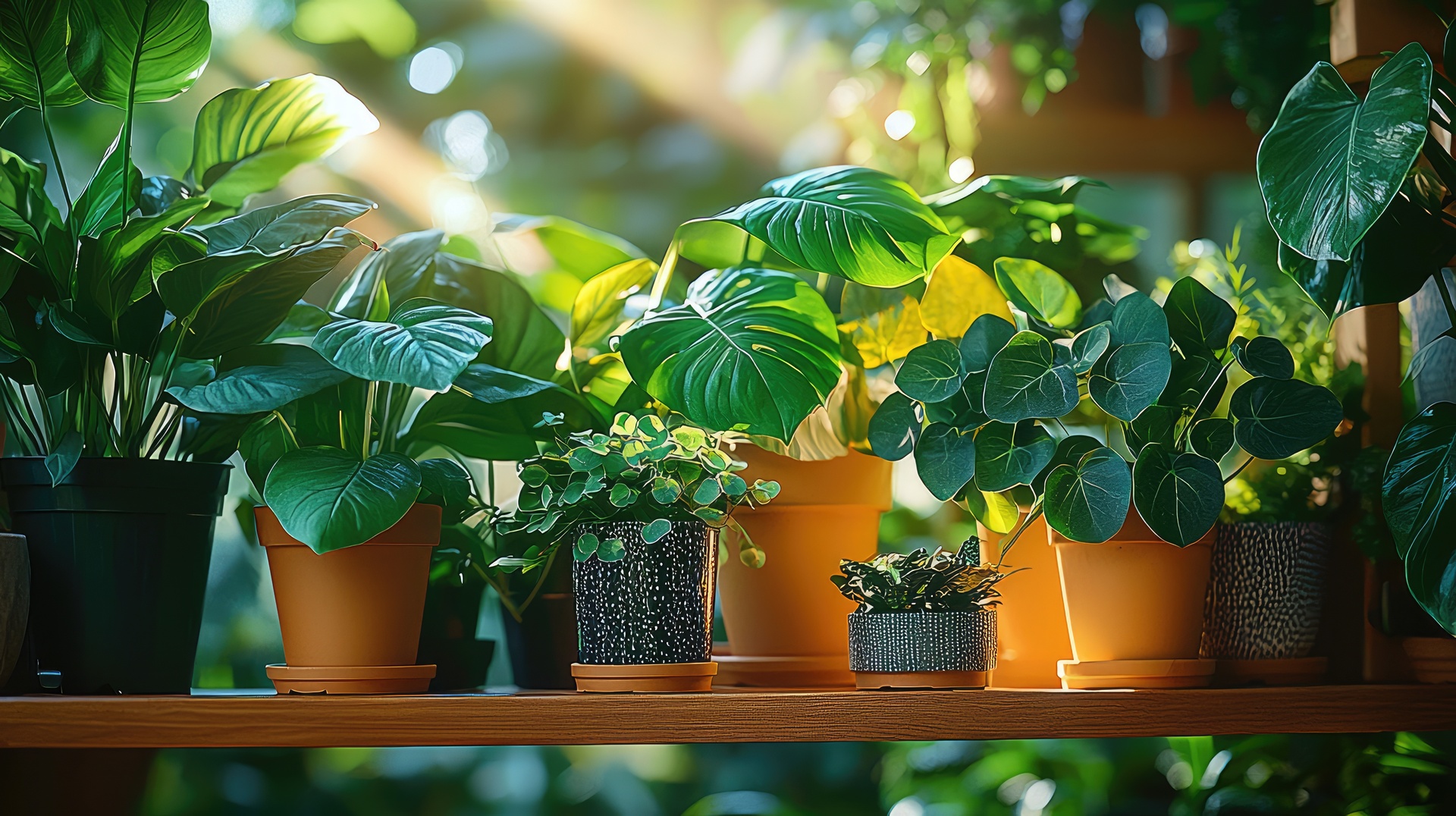
Image: Frond and Fang Greenhouse Display (CC0 / Public Domain)
Preparing your Venus flytrap for autumn takes observation and minor adjustments rather than heavy labor. By respecting its natural need for rest, you ensure a vibrant explosion of fresh traps when spring warmth returns.
If you want to explore other fascinating species that enjoy different seasonal rhythms, take a look at our beginner guides for other bog dwellers. You might fall in love with sticky sundews by checking out our post on how to care for Drosera species. Happy growing, and enjoy the seasonal transition in your indoor jungle.

Image: Frond and Fang Asset Library (CC0 / Public Domain)
Care note: This is general guidance for carnivorous plant care. Use only insect-safe practices and avoid fertilizers or miracle additives unless they are specifically labeled safe for carnivorous plants. Standing water and high humidity can increase mold and algae, so monitor and adjust as needed. If you have pets or kids, keep plants and any feeder insects safely out of reach.


