
The Great Awakening: Waking Your Sarracenia for 2026
, by Brian Tant, 9 min reading time
, by Brian Tant, 9 min reading time
If you have been part of our little corner of the internet for a while, you already know that the transition from winter to spring is basically the plant parent version of the Super Bowl. Except, instead of snacks and commercials, we have wet feet and the quiet, thrilling rustle of new growth. We are officially stepping into the spring of 2026, and the Digital Mycelium, that invisible network of hobbyists, growers, and botanical nerds we all call home, is buzzing with the same question. Is it time to wake up the Sarracenia? The answer is a resounding, moss-covered yes.
For those of you who spent the last few months staring at a pot of brown, crunchy-looking tubes in a cold garage or a chilly windowsill, take a deep breath. Your American Pitcher Plants are not dead. They have just been participating in their mandatory winter siesta. Sarracenia are tough, temperate survivors that require a period of dormancy to reset their internal clocks. Without this cold nap, they eventually lose their vigor and decline. But now that the light is shifting and the calendar has flipped deep into March 2026, it is time to shake off the frost and get back to the business of being one of the most effective carnivorous plant species on the planet.
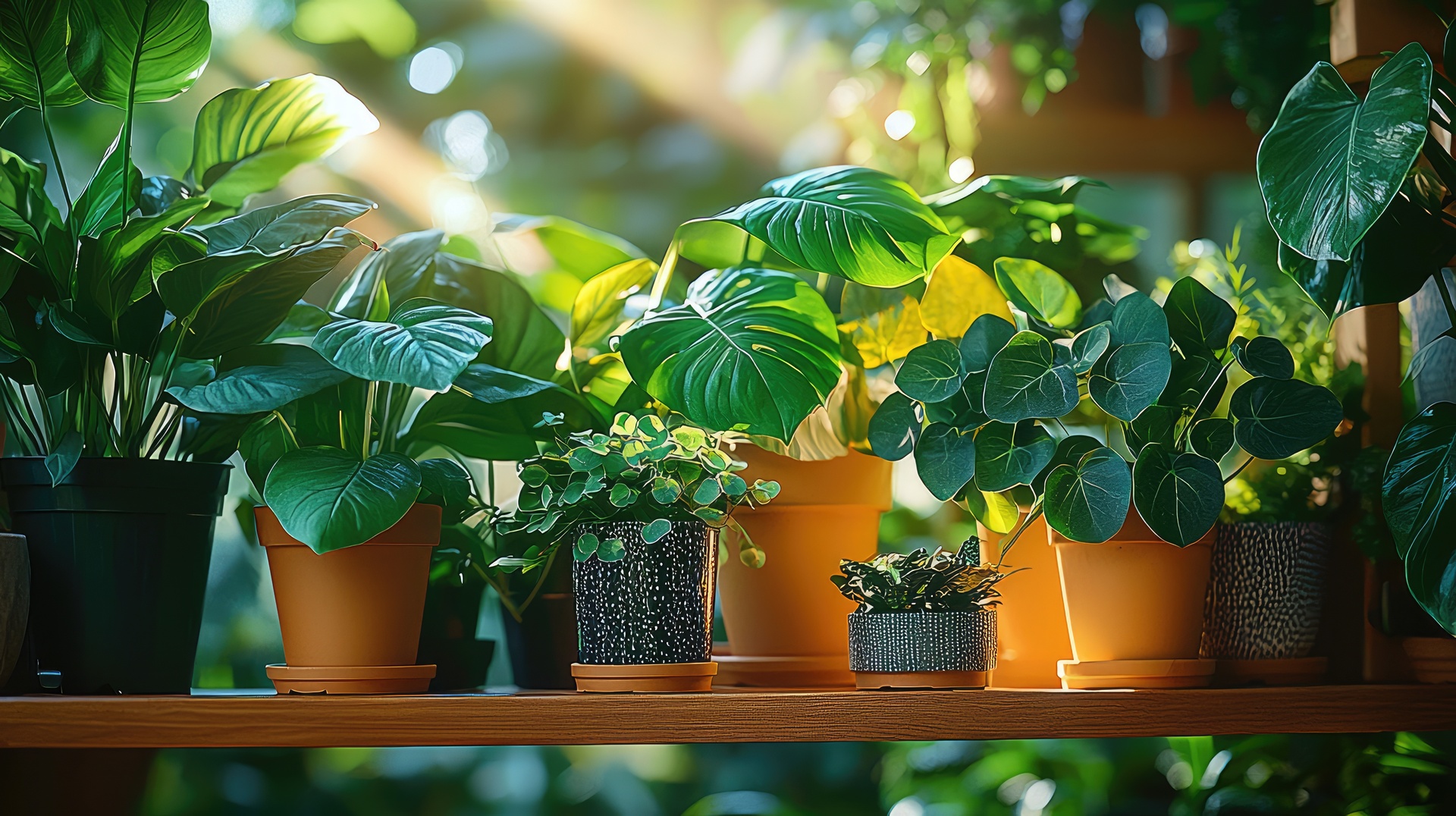
Real-world vibes in the Frond and Fang greenhouse. Photo by Frond and Fang.
The very first thing you need to look for is the light. Sarracenia are absolute sun-worshippers. If they were human, they would be the ones at the beach with a reflective silver sheet, trying to catch every single photon. As the days get longer in 2026, you want to move your plants to the brightest spot you have. We are talking about six or more hours of direct, unfiltered sunlight. If you are growing them outdoors, find that sweet spot that gets blasted from noon until sunset. If you are keeping them in a sunny window, make sure it is south-facing and clear of heavy curtains. This light is the primary trigger that tells the rhizome it is time to start pushing out those iconic, bug-snaring pitchers again.
While you are positioning them for the sun, you need to address the hydration situation. If you have been keeping them just barely damp during the winter to avoid rot, it is time to bring back the tray method. For the uninitiated, this involves sitting your pots in about an inch of standing water. However, there is a catch that we shout from the rooftops of our exotic plant shop every single day. You must use mineral-free water. Your tap water might be fine for you, but for a carnivorous plant, it is essentially a slow-acting poison. You want rainwater, distilled water, or reverse osmosis water. If you are curious about the science, aim for a Total Dissolved Solids (TDS) reading of under 50 PPM. Anything higher and those sensitive roots will start to burn, leading to a very grumpy plant that refuses to grow.
As the new growth begins to poke through the surface of the soil, you might notice that your Sarracenia looks a bit like a mess. Last year’s pitchers are likely brown, tattered, and filled with the remains of a hundred unfortunate flies. This is where a little spring cleaning comes in handy. Grab a pair of sharp, clean snips and carefully trim away the dead growth. You want to cut back the brown pitchers to just above the rhizome, being careful not to nick the new, emerging growth points. Removing this old material does two things: it opens up the crown of the plant to receive more sunlight, and it prevents fungal issues from taking hold in the decaying organic matter. It also makes your plant look significantly less like a swamp monster and more like the centerpiece of a high-end collection.

The architecture of a healthy Sarracenia emerges. Photo via Pexels.
Now, let's talk about the foundation of a successful 2026 growing season: the soil. Sarracenia evolved in nutrient-poor bogs where competition for space is high but nutrients in the ground are nearly non-existent. This is why they eat bugs, after all. If you haven't repotted in a couple of years, spring is the perfect time to do it. You want a mix that is airy yet moisture-retentive. A classic 1:1 ratio of peat moss and perlite is the gold standard in the carnivorous plant care world. Whatever you do, steer clear of regular potting soil or anything with "added nutrients" or "timed-release fertilizer." Those little blue pellets are a death sentence for your pitcher plants. When you repot, ensure the rhizome: the thick, horizontal stem that looks a bit like a ginger root: is resting right on the surface of the soil rather than buried deep.
While you are elbow-deep in peat moss, keep an eye out for opportunities to propagate. Large, established Sarracenia often have multiple growth points on a single rhizome. If the plant is getting crowded, you can gently snap the rhizome at a natural junction, ensuring each piece has a few roots attached. Pot these up separately, and suddenly you have a backup plant or a gift for that friend you’ve been trying to convert to the "plant side." It’s an easy-peasy way to expand your collection without spending an extra dime at an exotic plant shop, though we certainly won’t stop you from coming in to see what else we have.
We also have to mention the Sarracenia's famous cousin, the Venus Flytrap. While this post is focused on our tall, tubular friends, Venus flytrap care follows a very similar spring awakening path. They both want that intense sun and that pure, mineral-free water. If you are waking up one, you are likely waking up the other. Just remember that flytraps are a bit more sensitive to being waterlogged for long periods than some Sarracenia species, so keep an eye on those water levels as the temperatures fluctuate in these early spring weeks.
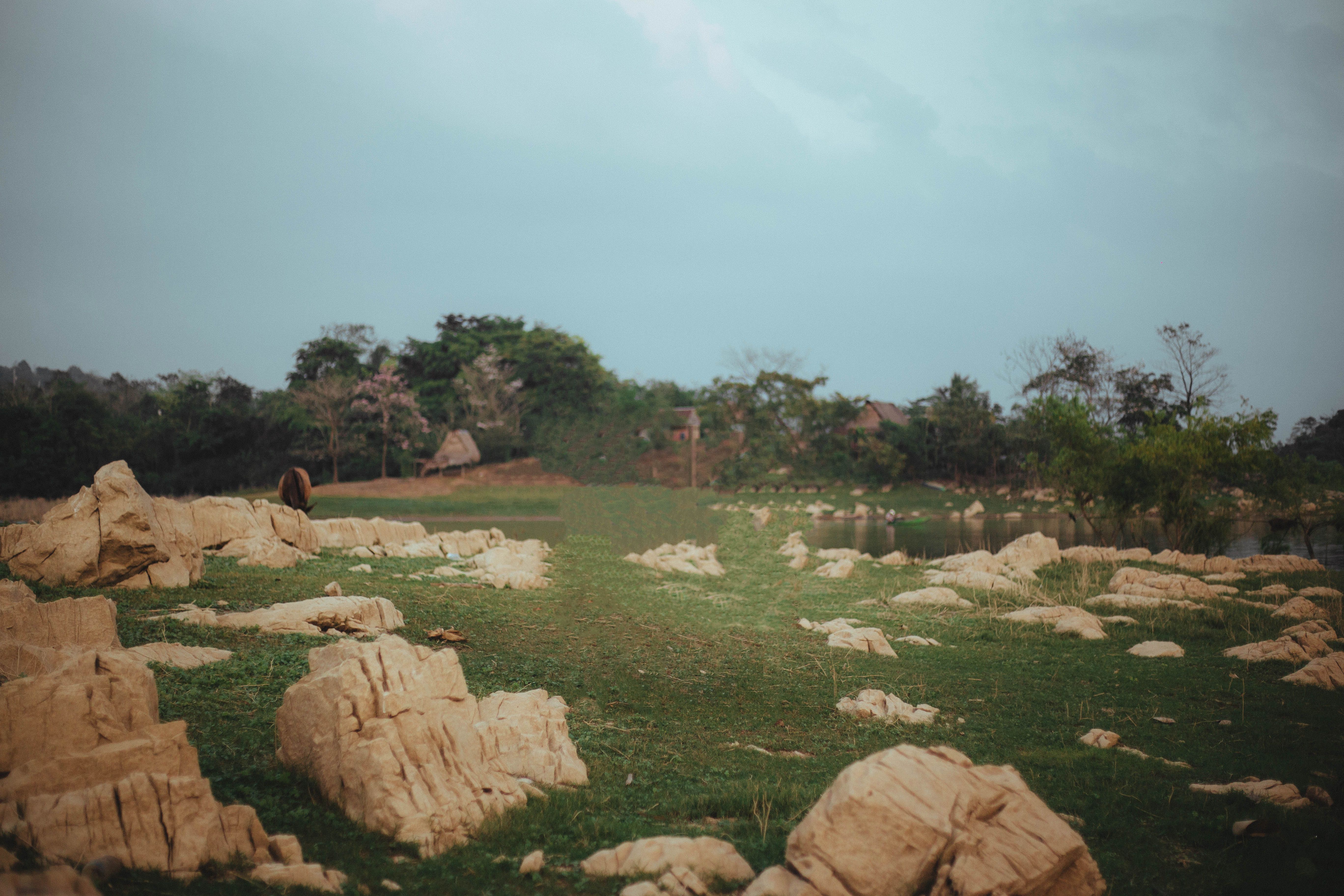
Creating a backyard bog for your carnivorous collection. Photo via Pexels.
One of the biggest temptations as things start to turn green is the urge to fertilize. We see it all the time. You want your plants to be big, bold, and beautiful, so you reach for the Miracle-Gro. Stop right there. Sarracenia do not want your chemicals. They have spent millions of years perfecting the art of the hunt. If you want to "feed" them, the best thing you can do is put them outside. Once the pitchers open, the local insect population will do all the work for you. From flies to wasps and the occasional confused moth, your plant will find its own lunch. If you absolutely must feed a plant kept indoors, you can drop a few freeze-dried bloodworms or a small cricket into a pitcher once it has fully hardened off, but even that is usually more for the grower's entertainment than the plant's survival.
Temperature management is the final piece of the puzzle for this 2026 wake-up call. While Sarracenia are frost-tolerant during dormancy, the tender new growth is a little more vulnerable to late-season snaps. If you live in a climate where "Fool’s Spring" is a common occurrence, keep an eye on the forecast. If the temperature is predicted to drop significantly below freezing after your plant has started putting up new pitchers, you might want to throw a frost blanket over them or bring them into a garage for the night. You aren't trying to keep them warm, just prevent the new cells from bursting under the pressure of a hard freeze. Once we are safely past the threat of heavy frost, they can stay out and enjoy the cool, crisp spring nights.
Care note: This is general guidance for carnivorous plant care. Use only insect-safe practices and avoid fertilizers/“miracle” additives unless they’re specifically labeled safe for carnivorous plants. Standing water and high humidity can increase mold/algae: monitor and adjust as needed. If you have pets/kids, keep plants and any feeder insects out of reach.
Bringing your Sarracenia out of dormancy is a rewarding ritual that marks the true beginning of the year for many of us. There is something deeply satisfying about seeing that first tiny spear of green emerge from a dormant rhizome, knowing that in just a few weeks, it will be a towering, colorful vessel of doom for the local gnat population. Whether you are a seasoned collector or a first-time grower who just picked up their first pitcher plant from Frond and Fang, the rules remain the same: give them the sun, give them the pure water, and give them the space to do what they do best.
As we move further into 2026, stay tuned to our blog for more tips on maintaining your bog garden and choosing the right species for your specific microclimate. We have a lot of exciting things planned for the "Digital Mycelium" this year, and we are glad you are along for the ride. If you have questions about your specific setup or just want to show off your first pitchers of the season, you know where to find us. Let’s make this the year of the pitcher.
Happy growing, and may your traps always be full!
For more tips on keeping your collection thriving, check out our guide on carnivorous plants for beginners or dive into the basics of pitcher plant care. If you're still dealing with the tail end of winter for your other species, our Venus flytrap winter tips are always a solid resource.


