
The Ancient Elegance of the Staghorn Fern: Understanding the Living Sculpture of the Air
, by Brian Tant, 7 min reading time
, by Brian Tant, 7 min reading time
If you've ever walked into a plant-filled home and found yourself staring at something mounted on the wall that looked half-deer, half-alien, and entirely magnificent, congratulations, you've encountered a staghorn fern. These remarkable plants have been captivating collectors, interior designers, and curious plant parents for generations, and for good reason. They're the kind of living décor that makes guests pause mid-conversation and ask, "Wait, is that thing real?"
The answer is yes, very much so. And the story behind these botanical oddities is just as fascinating as their appearance.
Here's the thing about staghorn ferns that trips up a lot of first-time plant owners: they don't grow in dirt. Not even a little bit. In their native tropical habitats across Africa, Australia, Southeast Asia, and parts of the Americas, staghorn ferns have figured out a lifestyle that most plants would consider absolutely unhinged. They're epiphytes, which is a fancy botanical term for plants that grow on other plants: specifically, they anchor themselves to tree trunks and branches high up in the forest canopy.
This isn't parasitism, mind you. Staghorn ferns aren't stealing nutrients from their host trees. They're simply using them as a convenient perch, absorbing moisture and nutrients from the air, rain, and the decomposing organic matter that accumulates around their roots. It's a pretty elegant arrangement when you think about it. The fern gets a prime spot with dappled light and good air circulation, and the tree is none the worse for wear.
This adaptation is precisely why you'll often see staghorn ferns mounted on wooden plaques or nestled into hanging baskets rather than sitting in traditional pots. When you grow one at home, you're essentially recreating that forest canopy experience: minus the tropical humidity and the occasional monkey.
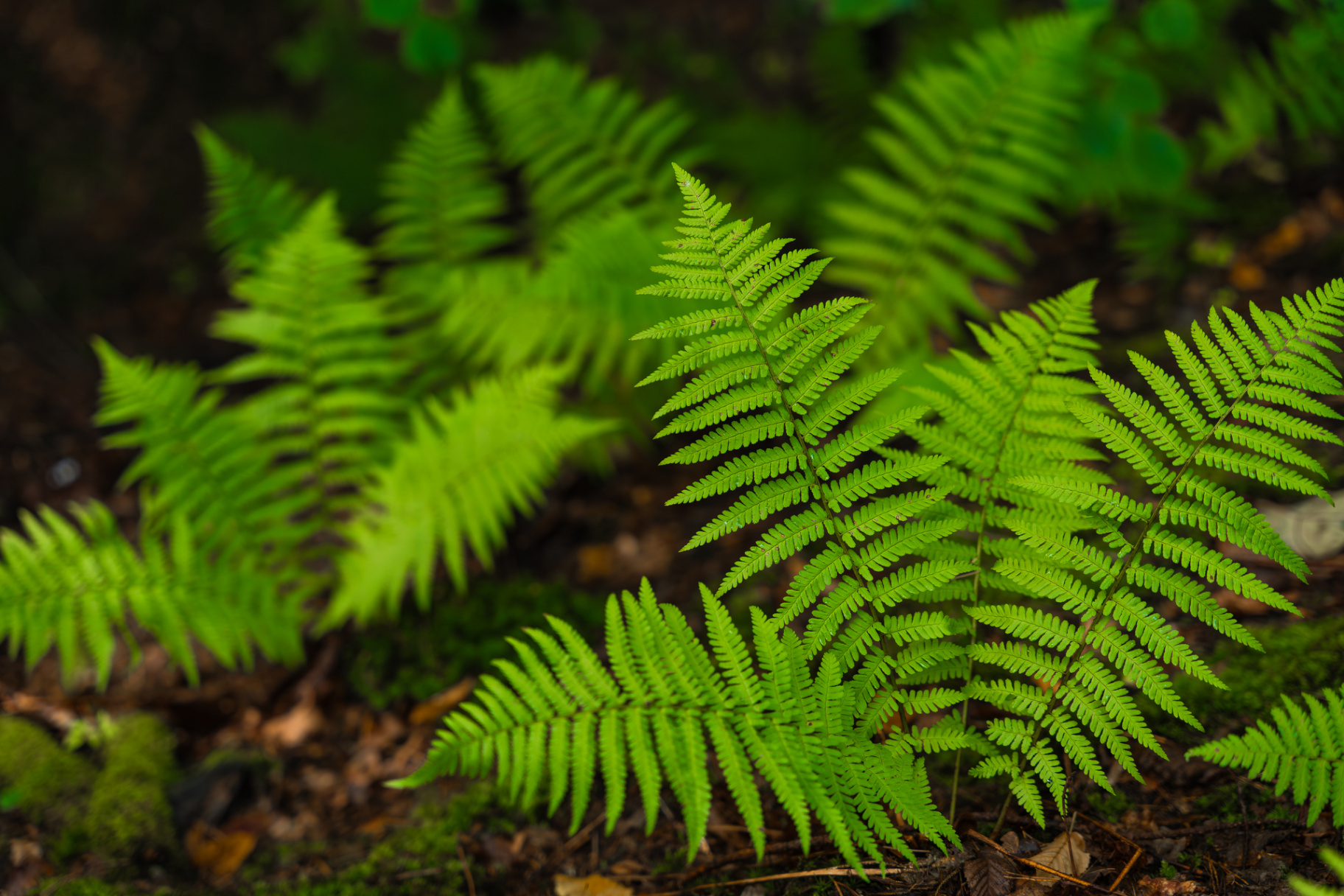
One of the most striking things about staghorn ferns is their architecture. Unlike your typical houseplant with its predictable arrangement of leaves and stems, staghorns have evolved a two-part frond system that looks like something dreamed up by a particularly creative art director.
The first type of frond is what gives the plant its common name: the antler fronds. These are the long, branching, dramatically forked leaves that extend outward from the plant's center, looking remarkably like the antlers of a stag or elk. Depending on the species, these fronds can be narrow and elegant or broad and sculptural. They're typically covered in a fine layer of tiny, star-shaped hairs called trichomes, which give them a silvery, almost velvety appearance. These aren't just for aesthetics: the trichomes help the plant retain moisture, protect against pests, and filter light. Form meeting function in the most beautiful way possible.
The second type of frond is the shield frond, sometimes called the basal frond. These are the round, flat, plate-like structures that wrap around the base of the plant, hugging whatever surface the fern is mounted on. Fresh shield fronds are bright green, but here's where new staghorn parents often panic: they turn brown over time. This is completely normal and actually essential to the plant's health. Those aging shield fronds form a protective barrier around the root system and gradually decompose, creating a nutrient-rich pocket that feeds the plant. So whatever you do, resist the urge to tidy them up. That papery brown material is not dead weight: it's the fern's built-in compost system.

Staghorn ferns belong to the genus Platycerium, which contains about eighteen recognized species. But the broader family tree they belong to: ferns in general: has roots that stretch back an almost incomprehensible amount of time. Ferns first appeared on Earth roughly 360 million years ago, during the Carboniferous period. To put that in perspective, that's about 130 million years before the first dinosaurs showed up.
These ancient plants dominated the planet's forests during an era when the atmosphere was thick with carbon dioxide and the landscape was lush, warm, and wet. The coal deposits we mine today are largely the compressed remains of those prehistoric fern forests. So when you hang a staghorn fern on your living room wall, you're bringing home a piece of botanical history that predates almost everything else we consider "old."
The staghorn fern's epiphytic lifestyle evolved much later, of course, as tropical rainforests developed and competition for ground-level resources intensified. Moving up into the trees was a clever evolutionary pivot: a way to access better light while avoiding the crowded forest floor. The result is the spectacular aerial plant we know today, perfectly adapted to a life spent clinging to bark and drinking from the clouds.
So how do you actually care for one of these living sculptures without replicating an entire rainforest ecosystem in your apartment? The good news is that staghorn ferns are more adaptable than their exotic appearance might suggest.
Light is the first consideration. In nature, these ferns grow beneath the dappled shade of the forest canopy, so they prefer bright, indirect light. An east-facing window or a spot a few feet back from a south-facing one tends to work beautifully. They can tolerate lower light conditions for extended periods, but growth will slow considerably, and the fronds may become less vibrant. Direct afternoon sun, on the other hand, can scorch those delicate antler fronds, so a bit of protection during the hottest hours is wise.
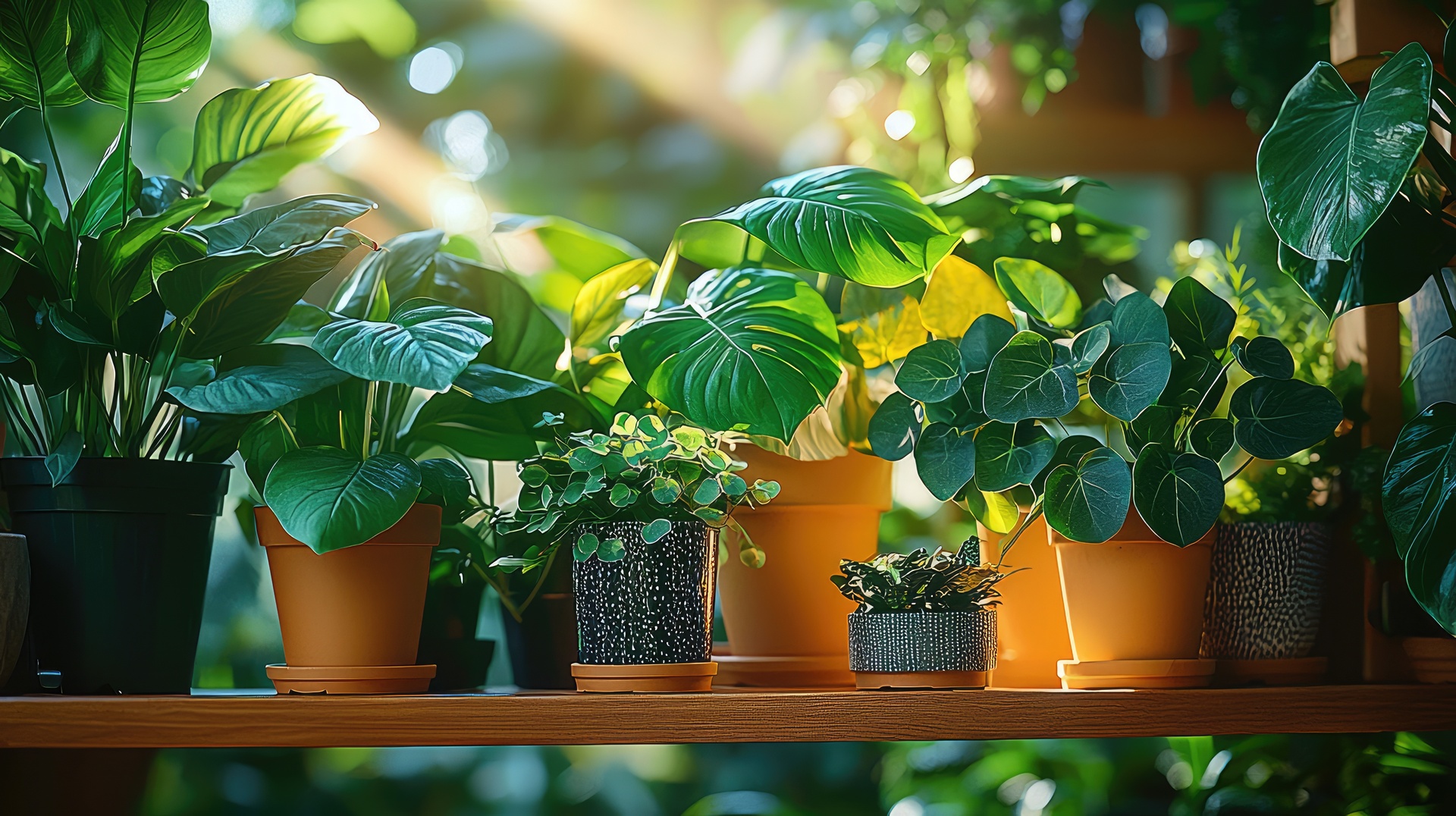
When it comes to watering, think "deep but infrequent." The classic method for mounted staghorns is to take the whole thing down and soak it face-down in a basin of water for ten to fifteen minutes, allowing the root ball and shield fronds to fully saturate. Then let it drip dry before returning it to its spot. During warmer months, this might mean watering once a week. In winter, when growth slows and the air isn't as thirsty, every two weeks or so is usually sufficient. The key is to let the plant dry out a bit between waterings: staghorns are far more tolerant of underwatering than overwatering, and soggy conditions can quickly lead to root rot.
Humidity is your friend here. Staghorn ferns adore moisture in the air, which is why they often thrive in bathrooms, kitchens, or laundry rooms where ambient humidity tends to be higher. If your home runs dry, especially during heating season, regular misting of the fronds: particularly the undersides of those antler leaves: will keep your fern happy. Some dedicated collectors even invest in small humidifiers for their plant corners, which benefits the staghorns alongside any other tropical species in the collection.
Temperature-wise, these ferns are comfortable in the same range most humans prefer: somewhere between 65°F and 80°F. They can handle brief dips into the mid-50s, but prolonged cold or frost exposure is a definite no. Keep them away from drafty windows in winter and heating vents that might dry them out.
A monthly feeding with a balanced, water-soluble fertilizer during the growing season will encourage those dramatic antler fronds to reach their full potential. Back off to every other month during the cooler dormant period when growth naturally slows.
Part of what makes staghorn ferns so appealing is their versatility as living art. Mounted on a piece of reclaimed wood, they become a statement piece that draws the eye without overwhelming a space. Hung in a hanging basket with sphagnum moss, they develop a wild, cascading presence. Some collectors even create entire staghorn walls, mounting multiple plants together to create a lush, vertical garden that looks like something out of a botanical fever dream.
If you're curious about exploring the world of ferns beyond the staghorn, our guide to indoor fern varieties covers several humidity-loving species that pair beautifully with epiphytic displays.
The staghorn fern is proof that plants don't need to play by conventional rules to thrive. They've spent millions of years perfecting the art of living on air, and they're more than happy to bring that ancient elegance into your home. All they ask for in return is a little humidity, some gentle light, and the occasional bath. Not a bad deal for a piece of living prehistoric art.


