
Rare Houseplants That Fit Small Spaces: 25 Exotic Finds Under $20 for Urban Plant Collectors
, by Brian Tant, 8 min reading time
, by Brian Tant, 8 min reading time
If you're reading this, chances are you've already fallen down the rabbit hole of houseplant collecting, and now you're wondering how to level up your collection without breaking the bank or turning your studio apartment into an actual jungle. The good news? The rare plant market has shifted dramatically over the past few years, and what once cost hundreds of dollars can now be snagged for the price of a decent lunch.
Gone are the days when "rare" automatically meant "mortgage your firstborn." Thanks to increased propagation efforts, tissue culture advances, and more growers entering the specialty market, plants that were once unicorns are now grazing in the affordable pastures of plant shops everywhere. We're talking about genuinely exotic specimens that'll make your plant-loving friends do double takes, all while fitting perfectly on your windowsill or bookshelf.
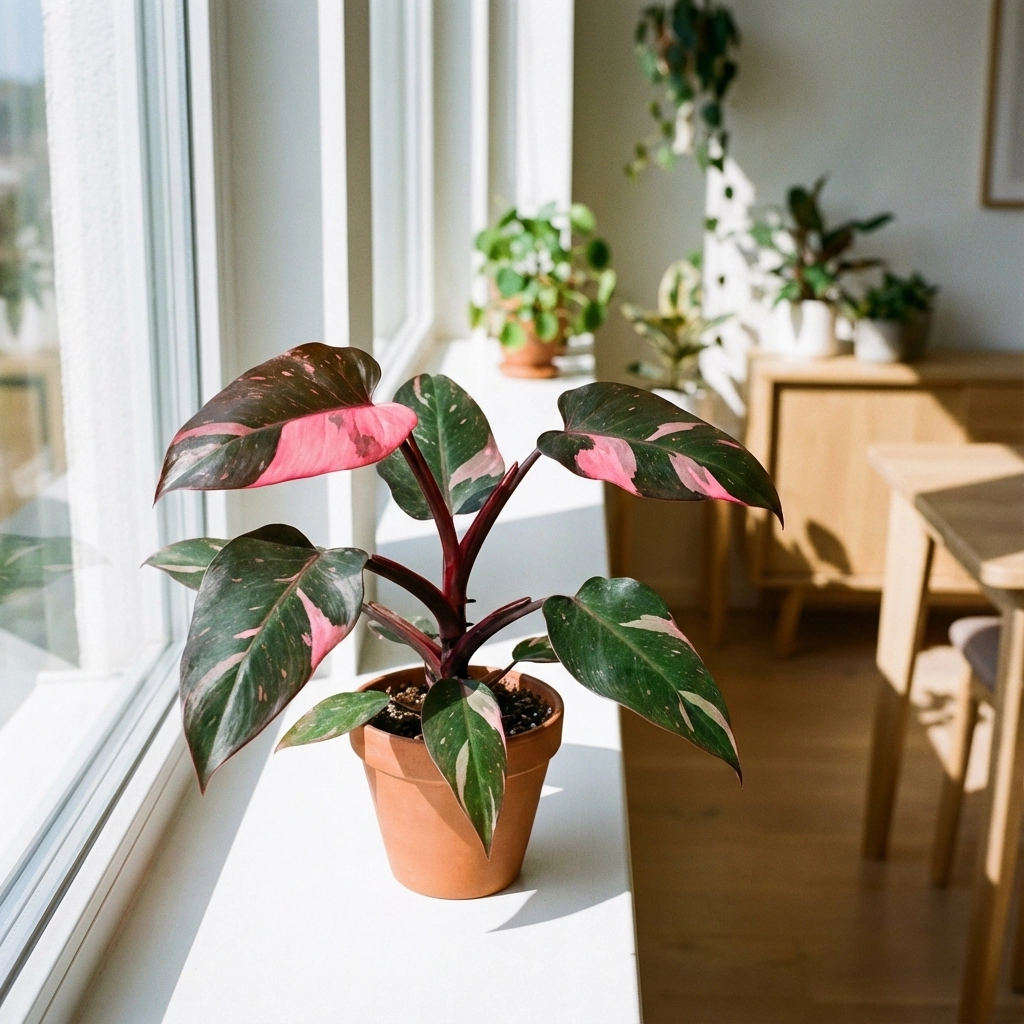
Here's the thing about plant rarity: it's often more about availability than actual scarcity. Many plants labeled as "rare" are simply uncommon in cultivation, not endangered in the wild. When a plant suddenly becomes trendy (looking at you, Pink Princess Philodendron), prices skyrocket initially but then settle into reasonable territory as supply catches up with demand.
The Pink Princess is actually a perfect example of this phenomenon. What was selling for $200+ just a couple years ago can now be found for around $9, making it one of the most accessible "rare" plants on the market. Its dramatic dark green leaves splashed with hot pink variegation still turn heads, but your wallet won't feel the pinch anymore.
The secret is knowing where to look and what to look for. Small-space dwellers have an advantage here because many rare plants are naturally compact or stay manageable with minimal intervention. You don't need a greenhouse or even a particularly green thumb: just a bit of knowledge about what these plants actually need to thrive.
Let's start with aroids, because honestly, this family has produced some of the most stunning and affordable rare houseplants available today. The Monstera obliqua 'Peru Form' has become surprisingly accessible at around $20, and unlike its finicky cousin the true obliqua, this variety actually wants to live in your apartment. Its delicate, fenestrated leaves create an almost lace-like pattern that photographs beautifully and adds serious sophistication to any plant corner.
For those working with truly tiny spaces, juvenile Monstera deliciosa specimens in 4-inch pots hover around $18 and give you all the iconic split-leaf drama without immediately taking over your living room. These little guys are patient: they'll stay compact for quite a while before their wanderlust kicks in.
The Queen Anthurium (Anthurium warocqueanum) represents the more unusual end of the aroid spectrum at just under $20. Its velvety, elongated leaves have an almost otherworldly quality, and while it appreciates higher humidity, it's far more forgiving than its reputation suggests. A simple pebble tray or regular misting keeps it happy, and its vertical growth habit makes it perfect for narrow shelves or corners.
If you've somehow managed to avoid the Hoya obsession sweeping through plant communities, prepare to fall hard. These succulent-leafed climbing plants offer some of the best value in the rare plant world, with several stunning varieties sitting comfortably under $20.
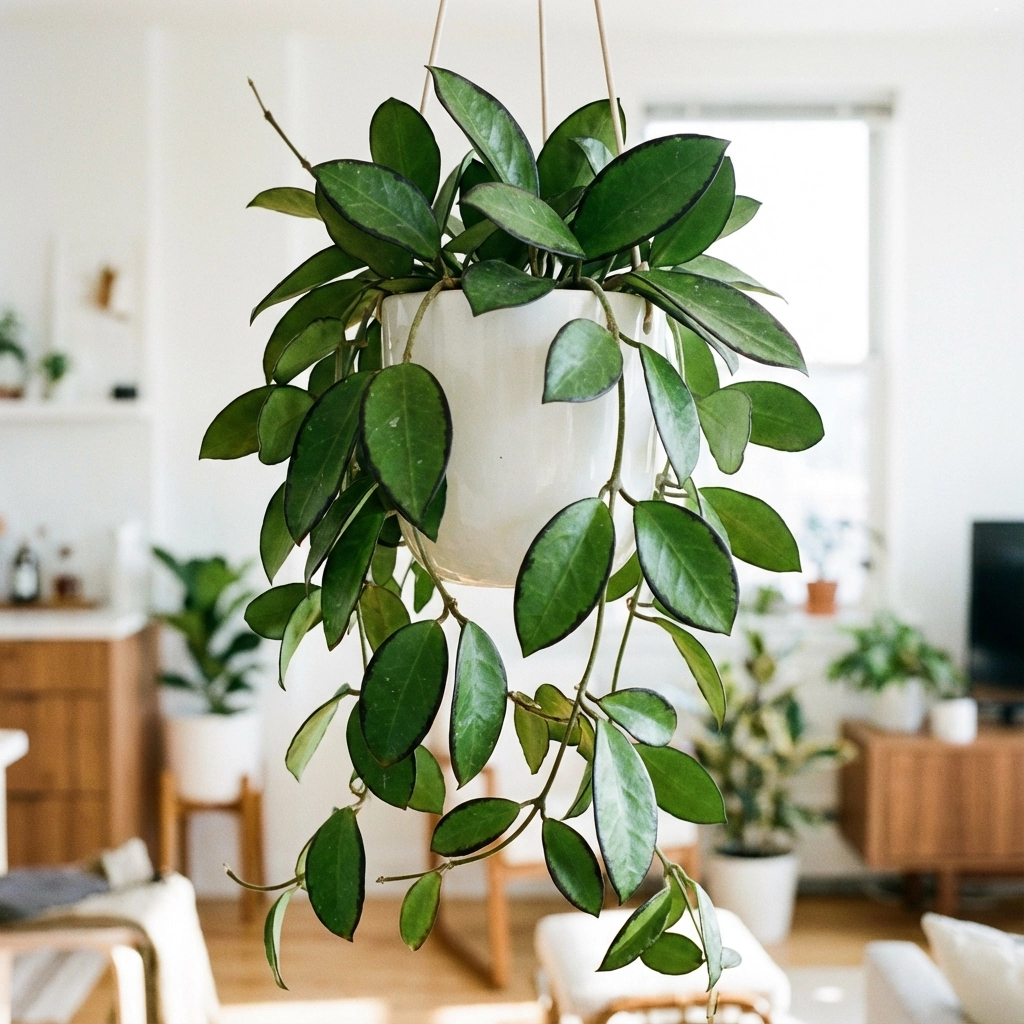
Hoya parasitica 'Black Margin' brings serious drama with its dark-edged leaves and eventual clusters of waxy, star-shaped flowers. At $18, it's practically a steal considering how much visual impact it delivers. The trailing habit makes it perfect for hanging planters or training along shelves, and the thick, waxy leaves store water efficiently: meaning you can actually go on vacation without returning to plant carnage.
Hoya macrophylla and Hoya cumingiana both clock in at exactly $20 and offer completely different aesthetic experiences. The macrophylla features broad, paddle-shaped leaves with subtle veining, while cumingiana brings delicate, pointed foliage that creates beautiful cascading effects. Both bloom eventually with those signature waxy flower clusters that smell incredible and last for weeks.
The beauty of Hoyas for small spaces goes beyond their compact nature: they're incredibly adaptable to various light conditions and actually prefer to be slightly pot-bound, meaning you won't need to constantly repot or worry about them outgrowing their designated spots.
While everyone knows about basic Philodendron heartleaf varieties, the rare Philodendron scene has exploded with affordable options that bring serious exotic appeal. The Philodendron 'Prince of Orange' sits right at the $20 mark and offers something completely different: new growth emerges in brilliant orange tones before settling into deep green, creating a constantly changing display that adds warmth to any space.
These compact climbing philodendrons appreciate a small moss pole or trellis but will happily trail if you prefer that aesthetic. Their care requirements remain refreshingly simple: bright indirect light, soil that dries slightly between waterings, and occasional feeding during growing season.
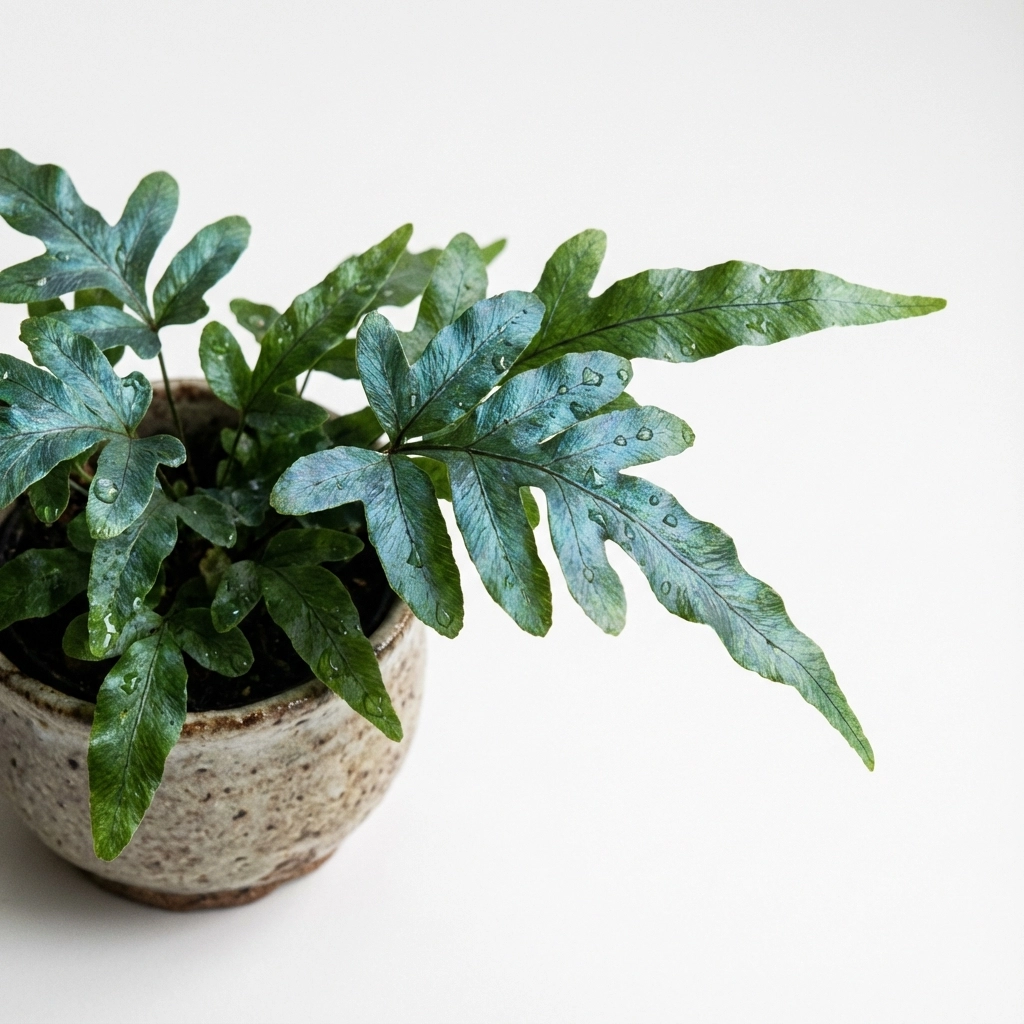
Here's where things get really interesting for small-space collectors. Ferns have always been popular, but certain varieties have crossed into rare plant territory thanks to their unusual characteristics or limited availability. The Microsorum thailandicum, commonly called the Blue Oil Fern, exemplifies this perfectly.
This particular fern has had quite the price journey: originally selling for $80+ on specialty sites, it's now available for around $15, making it one of the best rare plant bargains currently available. Its blue-green fronds with an almost metallic sheen create an otherworldly appearance that photographs beautifully and adds an unexpected element to fern collections.
What makes certain ferns "rare" often comes down to propagation difficulty or slow growth rates rather than true scarcity. Many rare ferns are actually quite hardy once established and appreciate the consistent conditions found in indoor environments. They're particularly well-suited to small spaces because they generally prefer filtered light and consistent moisture: conditions that are easier to maintain in compact indoor settings.
Living with rare plants in limited square footage requires a different approach than traditional houseplant care advice suggests. Vertical growing becomes your best friend, and many rare plants actually prefer this arrangement over sprawling across floor space.
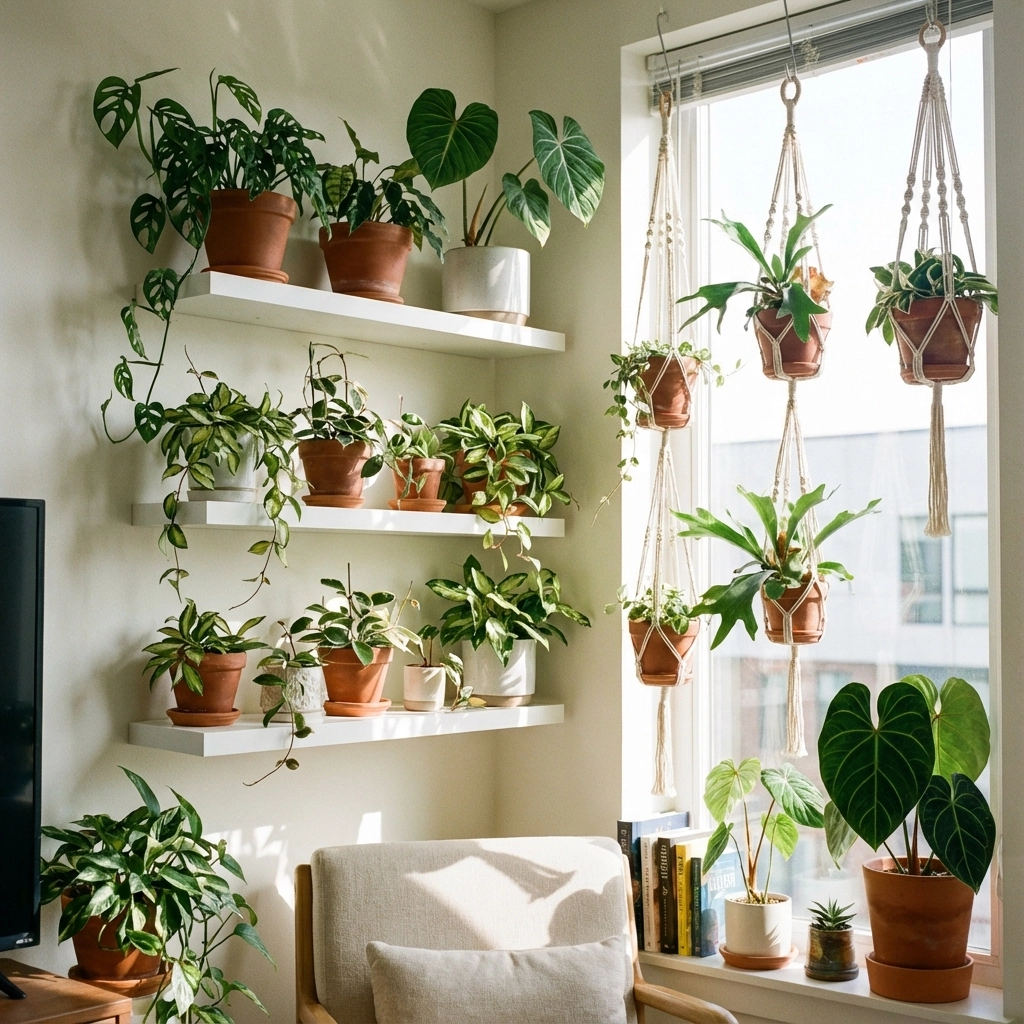
Wall-mounted planters, floating shelves, and hanging systems maximize your growing space without cluttering walking areas. Many rare trailing plants like Hoyas and climbing aroids can be trained upward on small trellises or moss poles, creating living sculptures that draw the eye upward and make spaces feel larger rather than more cramped.
Grouping plants with similar care requirements creates microclimates that benefit everyone involved. A cluster of humidity-loving aroids near a humidifier or in a bright bathroom creates conditions that keep everyone happy while maximizing your space efficiency.
One of the biggest misconceptions about rare plants is that they're automatically more difficult to care for than common varieties. In many cases, the opposite is true: plants become rare in cultivation precisely because they're challenging to propagate commercially, not because they're difficult to grow once established.
Most rare houseplants under $20 thrive with the same basic care approach: bright, indirect light (an east or north-facing window works perfectly), well-draining potting mix that retains some moisture, and regular watering when the top inch of soil feels dry. The key difference often lies in humidity preferences, but this is easily managed with pebble trays, grouping plants together, or running a small humidifier nearby.
Temperature stability matters more than extreme ranges: most rare houseplants prefer consistent temperatures between 65-75°F, which happens to be the comfort zone for most human habitats anyway. Avoid placing plants near heating vents, air conditioning units, or drafty windows, and you're already ahead of the game.
The rare plant market continues evolving rapidly, with new varieties becoming available and prices adjusting constantly. What costs $20 today might be $10 next month, or vice versa, depending on demand and availability. The key to building an impressive collection on a budget lies in patience and knowing where to look.
Local plant shops often carry rare varieties without the markup associated with online specialty retailers. Plant swaps and local Facebook groups frequently offer access to unique specimens at reasonable prices, plus you get the benefit of seeing the actual plant before purchasing.
Online retailers specializing in rare plants have become increasingly competitive, leading to better prices and healthier specimens. Many offer shipping guarantees and have improved their packaging methods significantly over the past few years.
The most important advice for small-space rare plant collecting is to buy what genuinely excites you rather than chasing trends. A $15 plant that makes you smile every time you see it brings more joy than a $100 specimen that stresses you out with its care requirements. Start with more forgiving varieties, learn what works in your specific space and lifestyle, then gradually add more challenging specimens as your confidence grows.
Your small space doesn't have to limit your rare plant dreams: it just means you get to be more selective and creative with your choices. Every plant becomes a statement piece when space is at a premium, and the rare varieties discussed here offer maximum visual impact without requiring maximum square footage or financial investment.
The rare plant world has opened up to apartment dwellers and budget-conscious collectors in ways that seemed impossible just a few years ago. Take advantage of this accessibility while it lasts, and remember: the rarest thing about any plant collection is finding specimens that truly bring you joy in the space you call home.


