
How to Create Living Wall Art with Carnivorous Plants
, by Brian Tant, 7 min reading time
, by Brian Tant, 7 min reading time
Carnivorous plants have a certain undeniable charisma. They're not your average houseplant: they've got personalities as sharp as their appetite for unsuspecting flies. But what happens when you take these botanical predators and turn them into living wall art?
The answer is really freakin cool. Carnivorous plants don't just sit there looking pretty like your grandmother's African violets. They move, they hunt, they interact with their environment in ways that make them absolutely mesmerizing to watch. When you arrange them vertically on a wall, you're not just creating a display: you're crafting a living ecosystem that changes throughout the day.
Every carnivorous plant species brings something different to your wall art composition, like casting characters for a botanical drama. Venus flytraps are your showstoppers: the divas that demand attention with their snappy jaws and dramatic feeding displays. They're compact enough for wall mounting but bold enough to anchor your entire design.
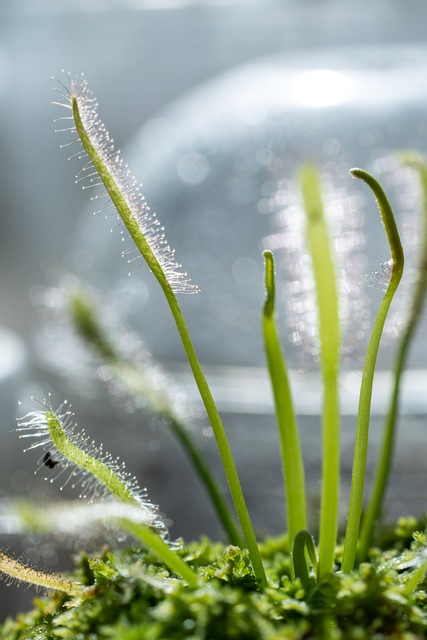
Sundews create delicate, jewel-like accents with their glistening dewdrops
Sundews, on the other hand, are the quiet artists of the carnivorous world. Their leaves sparkle with sticky dewdrops that catch light like tiny crystals, creating natural focal points that draw the eye upward along your wall. They're the perfect supporting characters: beautiful enough to admire up close but subtle enough not to compete with your statement pieces.
Pitcher plants bring the architectural drama. These are your vertical elements, the plants that understand the assignment of wall art better than any other carnivorous species. Their elegant pitchers dangle like natural sculptures, adding movement and depth to your composition. Think of them as the backbone of your design: they create the visual flow that guides viewers through your living masterpiece.

Creating carnivorous plant wall art starts with understanding that you're working with living sculptures that have very specific needs. Unlike traditional wall art, your canvas breathes, grows, and occasionally snaps at passing insects. The key is creating a design that accommodates both aesthetic appeal and plant health.
Start by thinking about sight lines and visual weight. Your wall should have a natural flow that doesn't feel forced or overly symmetrical. Place your largest specimens: like impressive pitcher plants: at eye level or slightly above to create natural anchors. These become your focal points, the pieces that viewers notice first.
Around these statement plants, build layers using smaller species. Butterworts make excellent mid-level plants with their flat, sticky rosettes that seem to glow with an otherworldly sheen. They're like natural spotlights, perfect for filling in gaps between larger specimens without overwhelming the composition.
The magic happens when you start thinking about texture and color variation. The smooth, waxy surface of a pitcher plant contrasts beautifully with the fuzzy, tentacled appearance of a sundew. Mix different leaf shapes and growth patterns to create visual interest that keeps viewers engaged.
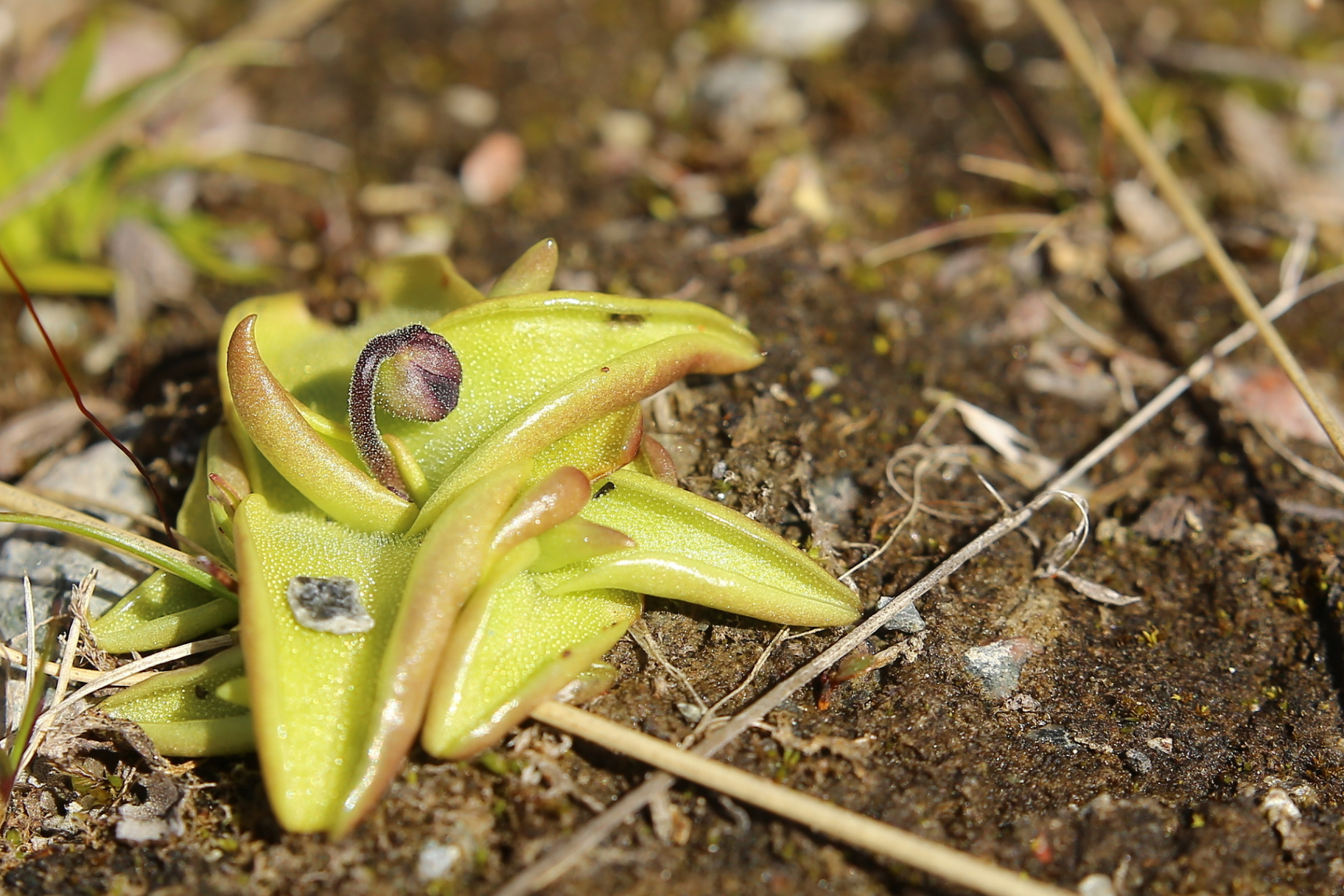
Butterworts provide elegant, flat rosettes that catch and reflect light beautifully
Don't worry: it's easier than you might think. Carnivorous plants actually adapt quite well to vertical growing systems once you understand their basic requirements. The trick is creating a setup that mimics their natural bog and marsh environments while working within the constraints of wall mounting.
Water management becomes your biggest consideration. These plants demand distilled or rainwater: tap water will slowly poison them with minerals. For wall systems, this means installing a recirculating system or planning for manual watering with proper drainage. Think of it like creating a miniature waterfall system where excess water can collect and recycle rather than drip onto your floor.
Lighting presents another interesting challenge. Most carnivorous plants crave bright, indirect bright light for 12-16 hours daily. If your wall doesn't get adequate natural light, you'll need to supplement with grow lights. The good news is that modern LED systems can be integrated into your design aesthetic rather than detracting from it. Position lights to create even coverage across your display, keeping them 6-12 inches from the plants.
The substrate matters more for carnivorous plants than almost any other houseplant category. These botanical predators evolved in nutrient-poor environments, so regular potting soil will actually harm them. You'll need specialized carnivorous plant mix: usually a combination of sphagnum moss, perlite, and sand. The texture should feel like a wrung-out sponge: moist but not waterlogged.
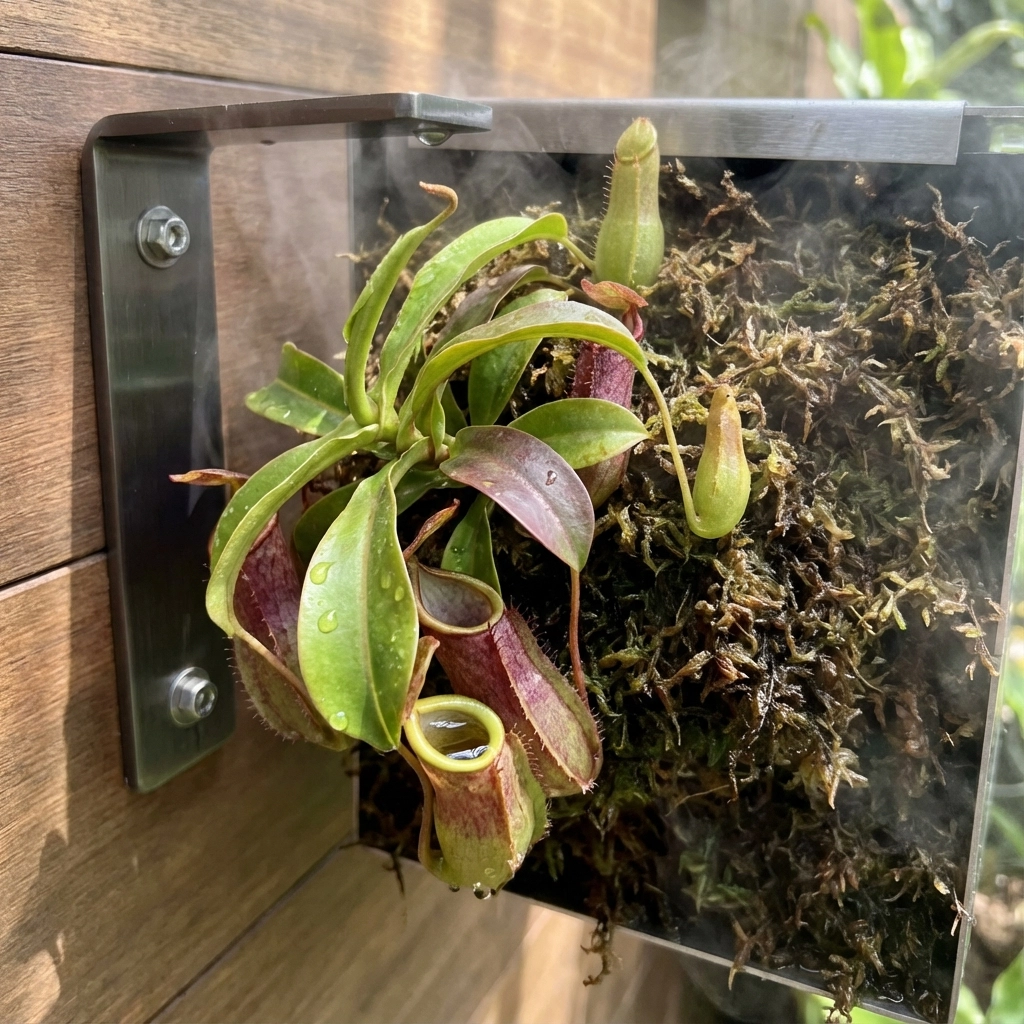
One of the most fascinating aspects of carnivorous plant wall art is how different species create their own microclimates when grouped together. This isn't just botanical happenstance: you can actually design these interactions to benefit your entire display.
Pitcher plants naturally increase humidity around themselves as water evaporates from their pitchers. Position humidity-loving species like sundews nearby to take advantage of this natural moisture boost. It's like creating a beneficial neighborhood where plants help each other thrive.
Air circulation becomes crucial in vertical systems where plants are grouped closely together. Stagnant air invites fungal problems, which can devastate carnivorous plants faster than almost any other issue. A small, quiet fan positioned to create gentle airflow across your display will keep things healthy without creating a wind tunnel effect.
Temperature stability matters too, especially for tropical species like many pitcher plants. Wall-mounted systems can experience more temperature fluctuation than floor-based displays, so consider the thermal properties of your wall and mounting materials. Insulation behind your mounting system can help moderate temperature swings.
As we head into 2026, many carnivorous plant enthusiasts are discovering that wall-mounted systems actually offer advantages for seasonal care that traditional pot growing can't match. The vertical orientation provides better air circulation during humid summer months while offering easier access for winter dormancy management.
Venus flytraps, for instance, need a cold dormancy period that can be tricky to manage in traditional indoor setups. Wall systems positioned near cooler windows or with adjustable lighting can simulate seasonal changes more effectively than stationary floor displays.
The key is planning your wall art with seasonal flexibility in mind. Use mounting systems that allow you to adjust plant positions or temporarily remove species that need special winter treatment. This might mean investing in modular mounting hardware rather than permanent fixtures, but the flexibility pays off in plant health and display longevity.
Perhaps the most entertaining aspect of carnivorous plant wall art is watching your display hunt. Unlike regular houseplants that just sit there photosynthesizing, your wall art actively participates in pest control. Flytraps snap, sundews glisten with captured prey, and pitcher plants collect tiny trophy rooms of insects.
You'll occasionally need to supplement their diet, especially during winter months when flying insects become scarce. Small flies, ants, or even fish food can provide necessary nutrients. The feeding process becomes part of the interactive experience: your wall art isn't just decorative, it's functional and engaging.
This hunting behavior also means your display changes throughout the day and season. Freshly fed plants often show brighter colors and more vigorous growth. Pitcher plants develop deeper pigmentation, sundews produce more dewdrops, and flytraps exhibit faster trap responses. Your wall art literally grows more beautiful as it thrives.
Creating living wall art with carnivorous plants transforms the traditional concept of home decoration into something dynamic and engaging. These aren't passive decorations: they're living sculptures that interact with their environment and reward careful observation with fascinating behaviors. Whether you're starting with a single Venus flytrap or planning an elaborate multi-species display, the key is understanding that you're not just arranging plants: you're orchestrating a living ecosystem that brings the wild beauty of carnivorous plants into your home.
The result is wall art that captures attention, sparks conversation, and provides endless fascination as your botanical predators go about their daily business of looking spectacular while catching the occasional fly. In 2026, as more people discover the unique appeal of carnivorous plants, wall-mounted displays represent the perfect intersection of artistic design and botanical passion.


