
Celebrating the Winter Solstice: Helping Your Indoor Plants Thrive Through the Longest Night
, by Brian Tant, 8 min reading time
, by Brian Tant, 8 min reading time
The winter solstice arrives each December like an old friend carrying both challenge and promise. As the shortest day of the year unfolds in the Northern Hemisphere, typically around December 21st or 22nd, we experience the Earth's axis tilted furthest from the sun. Yet this darkest moment also marks a turning point: after the solstice, daylight hours begin their slow return, bringing renewed hope for growth and vitality.
For those of us who share our homes with ferns, moss, and carnivorous plants, the winter solstice presents a unique opportunity to deepen our connection with these remarkable living beings while helping them navigate one of nature's most challenging seasons. Understanding how our green companions respond to winter's reduced light and altered conditions can transform this period from mere survival into a season of mindful plant stewardship.
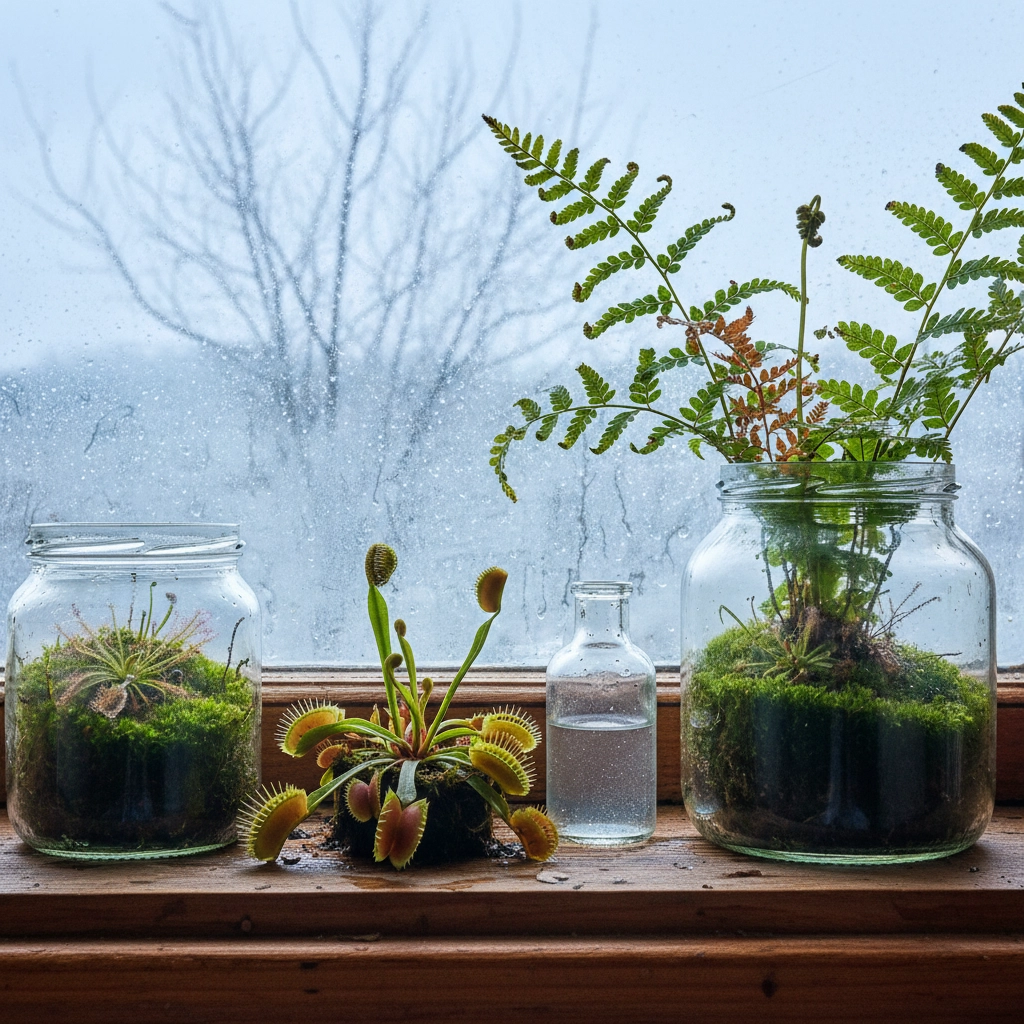
The dramatic shift in available sunlight during winter months creates distinct responses across different plant families. Ferns, having evolved in forest understories where filtered light was the norm, often handle winter's dimmer conditions better than many houseplants. However, even these shade-adapted beauties notice the difference. Your Bird's Nest Fern or Rabbit's Foot Fern may slow their growth considerably, with new fronds emerging smaller and less frequently than during brighter months.
Carnivorous plants present a fascinating winter story. Many species, particularly those native to temperate regions, naturally enter a period of dormancy. Venus flytraps, for instance, evolved to experience seasonal changes and actually require a winter rest period to remain healthy long-term. During these months, their traps may become smaller and less responsive, while some leaves might brown and die back: a completely normal process that often worries new plant parents unnecessarily.
Moss, perhaps the most ancient of your green companions, demonstrates remarkable resilience during winter. These primitive plants can photosynthesize even in extremely low light conditions, though they'll slow their already leisurely growth pace to an almost imperceptible crawl. The key insight here is that moss thrives on consistency rather than intensity when it comes to light.
The challenge of winter plant care lies not just in managing reduced light, but in understanding how this affects every aspect of your plants' needs. With slower growth comes dramatically reduced water requirements. Your usual watering schedule becomes obsolete as plants simply cannot process moisture at their normal summer rates.

Rather than adhering to a calendar-based watering routine, winter demands a more intuitive approach. Check your plants every few days by testing soil moisture with your finger or simply lifting pots to gauge their weight. A surprisingly light pot usually indicates dry soil, while consistently heavy pots might signal that you're still watering too frequently for winter conditions.
Temperature stability becomes crucial during winter months, particularly for tropical species that make up many popular fern varieties. These plants thrive around 68°F during the day, but more importantly, they need consistency. Positioning plants away from heat registers, radiators, and frequently opened doors helps maintain the stable environment they crave.
Humidity presents perhaps the greatest winter challenge for indoor plant enthusiasts. Heating systems strip moisture from the air just when plants need extra humidity to compensate for reduced light. The solution lies in creating microclimates around your plants. Grouping ferns together creates a natural humidity pocket as their leaves release moisture into the shared air space. This same principle works beautifully with moss arrangements, where multiple containers can create a humid zone that benefits all nearby plants.
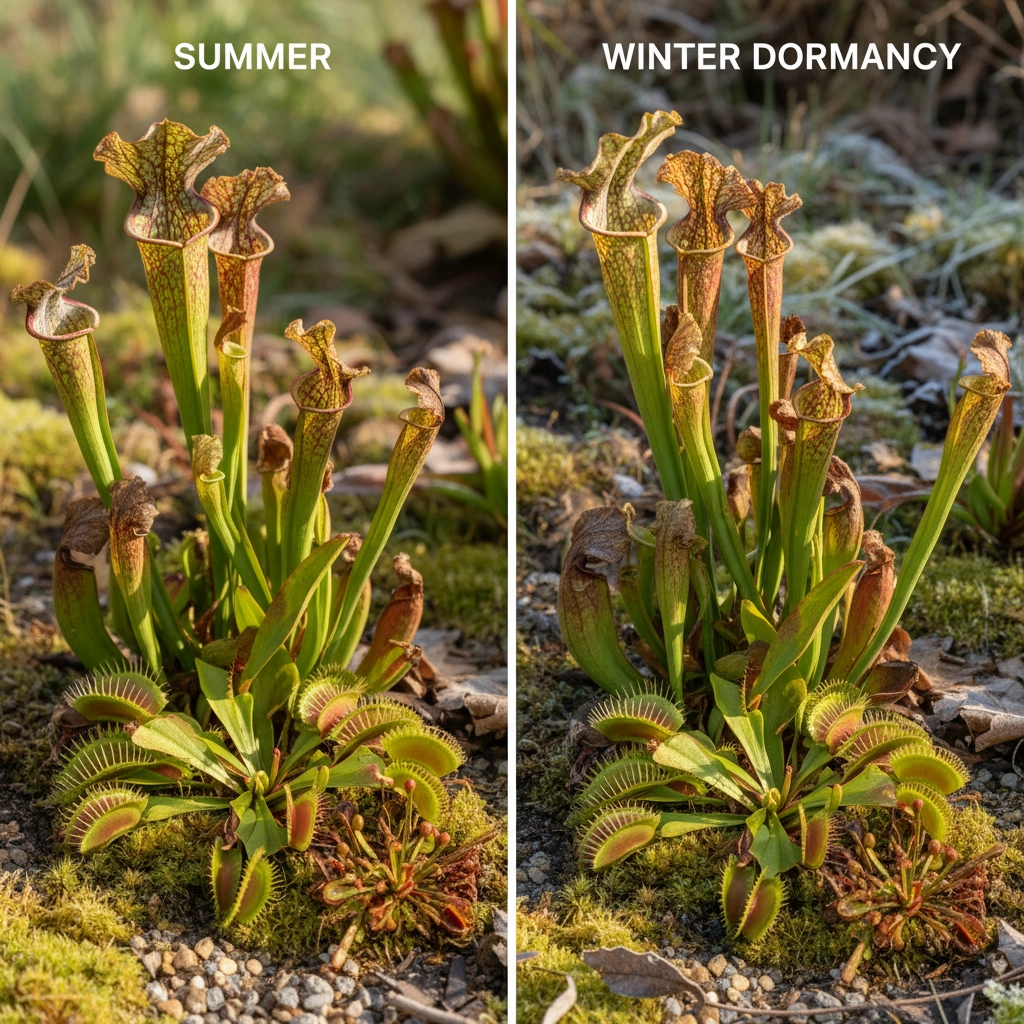
Carnivorous plants offer perhaps the most dramatic example of seasonal adaptation. If you're growing temperate species like Venus flytraps or North American pitcher plants, winter dormancy isn't just normal: it's essential for long-term health. These plants have evolved to shut down during cold months, conserving energy for vigorous spring growth.
During dormancy, carnivorous plants may look quite different from their summer selves. Venus flytrap leaves become smaller and less colorful, while some pitcher plant pitchers may brown and collapse. This dramatic change often alarms new growers, but recognizing these signs as healthy seasonal behavior rather than plant distress transforms winter from a period of anxiety into one of quiet appreciation for natural cycles.
Ferns, while not entering true dormancy, do shift into a slower gear during winter months. New growth becomes more sparse, and existing fronds may appear less vibrant. This natural response to reduced light shouldn't trigger increased fertilization attempts: winter plants lack the energy to process additional nutrients and can actually be harmed by well-intentioned feeding.
At Frond and Fang, we've learned that successful winter plant care stems from working with natural seasonal rhythms rather than fighting against them. Our approach centers on providing consistent, appropriate conditions while respecting each plant's individual winter needs.
We often recommend that customers resist the urge to repot during winter months. Even if a recently purchased plant appears root-bound, transplanting during this slower growth period creates unnecessary stress when plants are least equipped to recover. Spring and summer offer much better opportunities for major plant interventions.
For our carnivorous plant enthusiasts, we provide detailed guidance on recognizing healthy dormancy versus concerning decline. Many customers worry unnecessarily when their Venus flytraps begin their winter slowdown, but understanding these natural patterns helps plant parents provide appropriate care without interference.
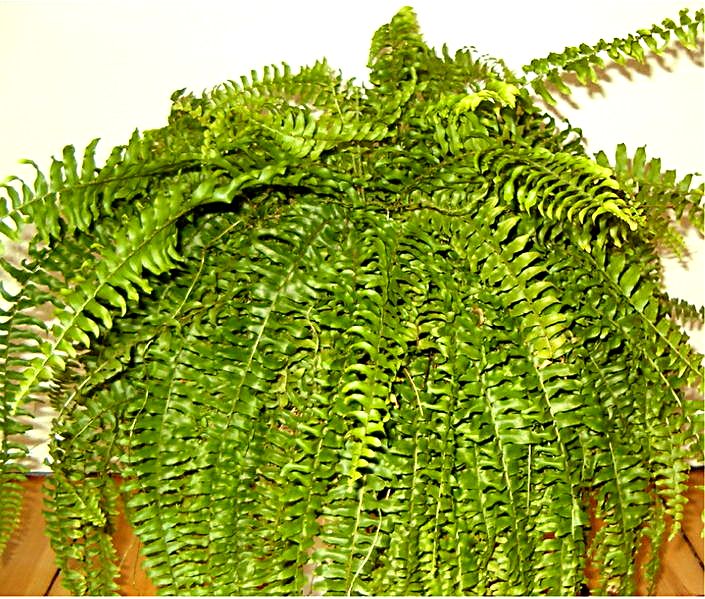
Our fern specialists frequently help customers adjust care routines for winter success. The key insight we share is that ferns appreciate consistency above all else: consistent moisture levels, consistent temperatures, and consistent (though lower) light exposure. Dramatic fluctuations in any of these areas cause more stress than gradually reduced conditions maintained steadily.
The winter solstice offers an opportunity to celebrate your plants while acknowledging the season's unique rhythms. Consider creating a simple ritual that honors both the astronomical event and your botanical companions' needs during this transitional period.
Begin by gathering your plants in a well-lit area of your home, perhaps near your brightest window. This grouping serves the practical purpose of improving their shared humidity while creating a living mandala that celebrates life persisting through winter's challenges. The visual impact of your collected ferns, moss arrangements, and dormant carnivorous plants creates a powerful reminder that growth and beauty take many forms.
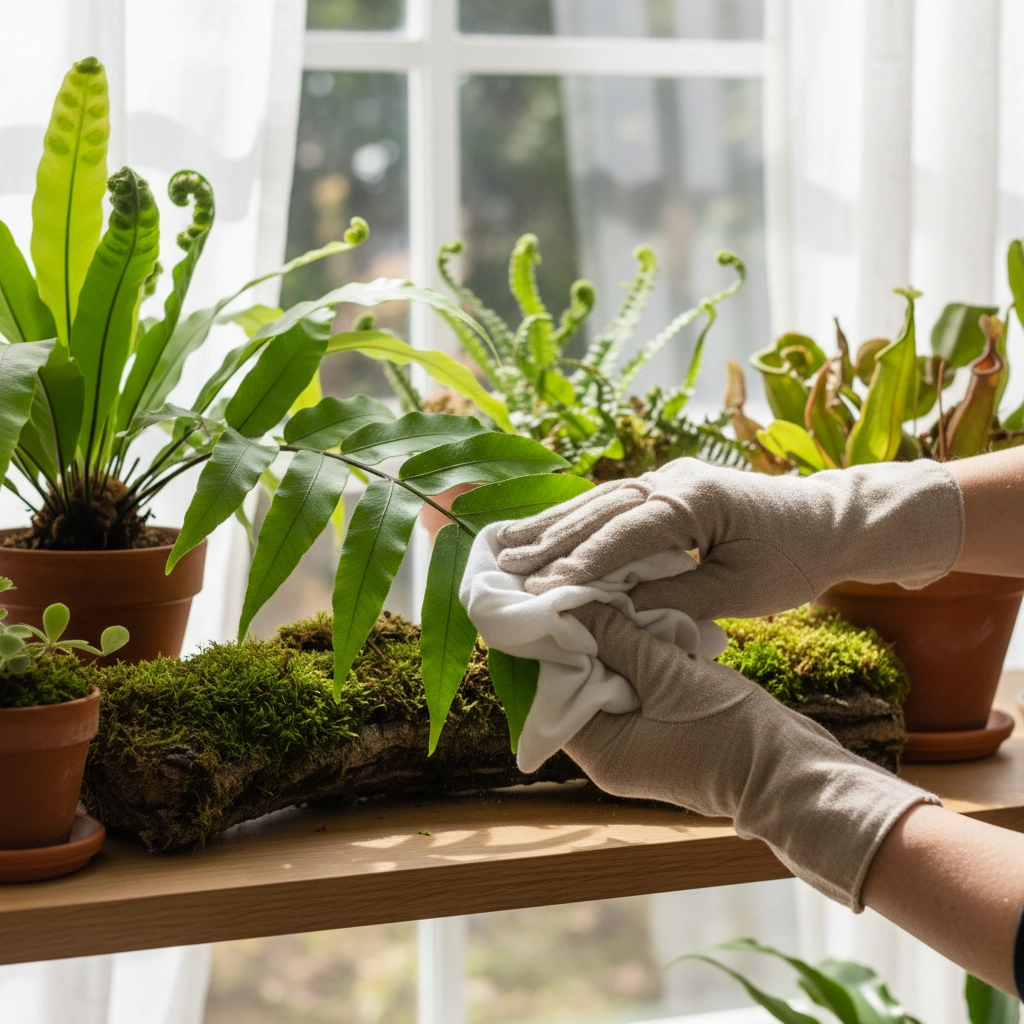
Take time to clean each plant's leaves gently, removing dust that accumulates more readily in heated homes. This practical act of care becomes meditative when approached mindfully, creating connection between you and each plant while improving their ability to photosynthesize in reduced light conditions.
Consider this cleaning process an opportunity to really observe your plants' winter adaptations. Notice how your Rabbit's Foot Fern's fuzzy rhizomes may appear more prominent as frond growth slows, or how your moss has shifted to a deeper, more resilient green shade. These observations deepen your understanding of each species' unique response to seasonal change.
As daylight begins returning after the solstice, you might choose to gradually relocate plants closer to windows or adjust supplemental lighting schedules. This gradual transition mirrors the sun's own slow return to longer days, supporting your plants' natural preparation for spring's eventual arrival.
Rather than viewing winter as something to endure until spring returns, the solstice invites us to appreciate this season's unique gifts for plant enthusiasts. The slower pace allows for deeper observation of subtle plant behaviors and adaptations that might go unnoticed during busier growing seasons.
Winter's reduced demands also create space for learning and planning. This becomes an ideal time to research new species you might want to add to your collection, understanding their specific needs before spring acquisition season arrives. Reading about plant care techniques or exploring the fascinating evolutionary histories of your ferns and carnivorous plants enriches your relationship with these living beings.
The solstice reminds us that darkness and light exist in constant relationship, each giving meaning to the other. Your plants, having evolved over millions of years to navigate seasonal changes, carry this ancient wisdom in their very cells. By supporting them through winter's challenges, you participate in cycles far older than human civilization.
As you tend your plants through the longest night and into gradually lengthening days, remember that you're not just keeping houseplants alive: you're participating in an ancient dialogue between human beings and the plant kingdom, one that acknowledges our mutual dependence and celebrates the persistence of life through all seasons.


