
The Living Tapestry: Finding Your Rhythm with Fern Textures and Tones
, by Brian Tant, 9 min reading time
, by Brian Tant, 9 min reading time
There's something deeply satisfying about running your fingers along a fern frond: the way the texture shifts from one variety to the next, each with its own personality written in green. If you've ever stood in front of our fern collection wondering which one would feel right in your space, you're already thinking like a designer. Because choosing a fern isn't just about keeping something alive (though we'll get to that). It's about understanding how these ancient plants paint texture and tone across your walls, shelves, and corners.
Ferns don't shout. They whisper. And once you learn their language, you'll start seeing your indoor spaces differently: not as empty rooms that need filling, but as canvases waiting for the right kind of green.
Let's start with the Bird's Nest Fern, because it's probably the most approachable entry point into fern aesthetics. Unlike the delicate, feathery varieties you might picture when someone says "fern," the Bird's Nest has broad, glossy fronds that unfurl from a central rosette. Think of it as the minimalist in the fern family: clean lines, architectural form, almost sculptural in the right light.
The texture here is smooth and waxy, which catches light in a way that adds depth to shadowy corners. If your space leans modern or you're working with a lot of clean surfaces and neutral tones, this fern acts as a living accent piece without overwhelming the aesthetic. Thefronds ripple slightly at the edges, creating gentle movement that breaks up the hard angles of contemporary furniture.

What makes the Bird's Nest particularly compelling is how it plays with scale. A young plant sits comfortably on a desk or bookshelf, but give it time and space, and it'll develop into a substantial presence that anchors an entire corner. The deep green tones: ranging from emerald to almost black-green in the center: add richness without busy-ness. You get visual weight without clutter, which is a rare combination in the plant world.
In terms of placement, think about where you naturally pause in a room. The Bird's Nest rewards closer inspection: those glossy fronds and the tight whorl at the center create a focal point that draws the eye inward. It's meditative in a way that makes it perfect for reading nooks, bathroom vanities, or anywhere you want to encourage a moment of calm.
Now we shift gears entirely. If the Bird's Nest is your minimalist friend, the Maidenhair Fern is the romantic, the one that brings softness and movement to spaces that feel too rigid. The fronds here are delicate: impossibly so: with tiny leaflets that seem to float on thread-thin stems. The overall effect is airy, almost ethereal, like green lace suspended in space.
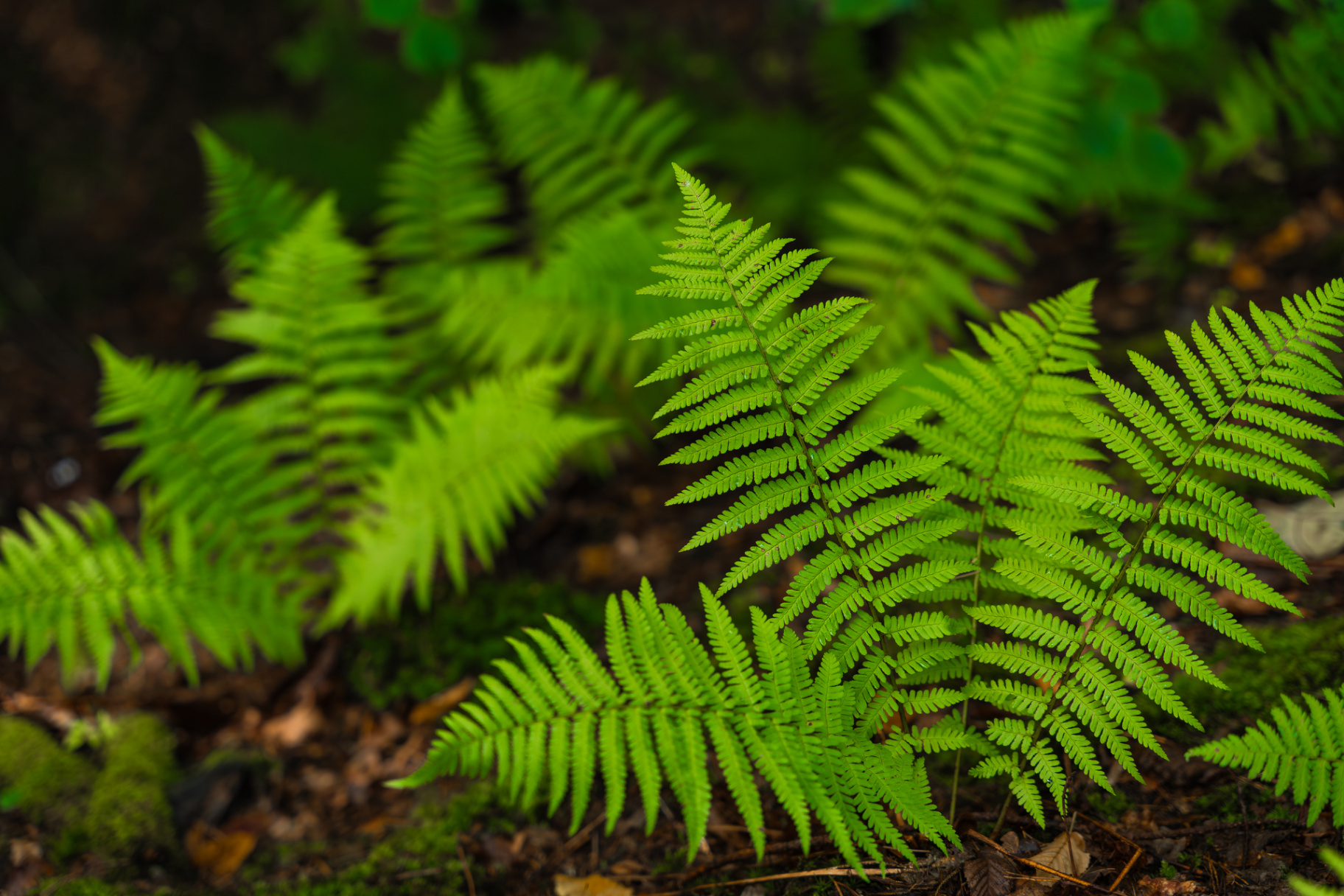
Texture-wise, Maidenhair ferns offer something completely different. The foliage is fine and feathery, creating a soft visual barrier that doesn't block light but gently filters it. This makes them exceptional for hanging planters or elevated positions where the fronds can cascade downward, creating living curtains that divide space without the harshness of actual walls.
The tone of a healthy Maidenhair is a fresh, bright green: think spring meadow rather than deep forest. This lighter palette works beautifully in spaces that might feel too dark or heavy with other plants. Where darker ferns add drama, Maidenhair adds breath. It lightens a room's emotional weight, which sounds abstract until you actually experience it. Place one in a bathroom or near a window with sheer curtains, and you'll understand how green can feel like air.
The challenge with Maidenhair is that delicate texture requires consistent moisture and humidity. The fronds will crisp up faster than you'd like if the air is too dry, which is worth keeping in mind. But when conditions are right, the payoff is substantial: few plants create the same sense of gentle movement and softness in a space.
Then there's the Staghorn, which throws everything we just discussed out the window and announces itself with architectural drama. Mounted on wood or growing in a hanging basket, Staghorns are conversation pieces before they're anything else. The fronds split and branch like actual antlers, creating bold, sculptural shapes that demand attention.

The texture here is dual-natured. At the base, you'll find shield fronds: flat, papery structures that turn brown as they age and protect the root system. These create a textural foundation that's rough and organic, almost bark-like. Then the fertile fronds emerge upward and outward, covered in a fine, silvery fuzz that gives them a soft, suede-like appearance despite their dramatic form.
Staghorns work best in spaces that can handle their personality. We're talking living rooms with high ceilings, entryways that need a focal point, or creative studios where a little wildness fits the vibe. The tonal range is interesting too: that silvery-green coloration shifts depending on light conditions, sometimes appearing almost blue-gray, other times leaning toward sage.
Because they're epiphytes (they grow on other plants in nature rather than in soil), Staghorns bring vertical interest to your plant collection. Mounted on a piece of reclaimed wood, they become living wall art that bridges the gap between botanical specimen and sculptural installation. The texture of the mounting material matters too: rough, weathered wood enhances that natural, collected-from-the-forest aesthetic, while sleek wooden plaques create a more curated, gallery-like presentation.
Sometimes the most interesting textures come in unexpected packages. The Ribbon Fern and Eyelash Fern might not have the name recognition of their cousins, but they punch above their weight when it comes to adding tactile interest to a space.
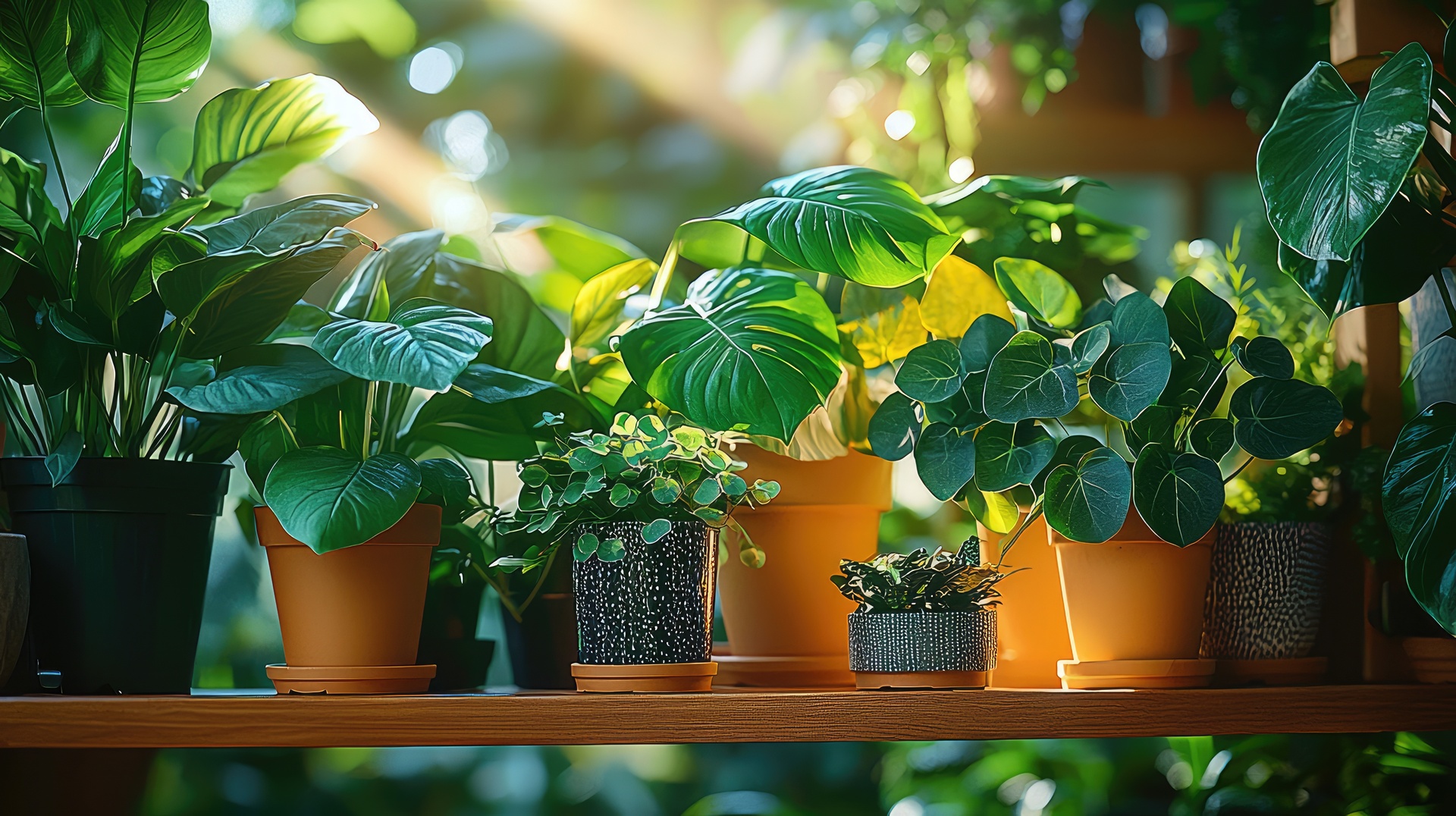
Ribbon Ferns have long, narrow fronds that arch gracefully, creating flowing lines that soften rectangular furniture and harsh corners. The texture is somewhere between the glossy smoothness of a Bird's Nest and the delicate fineness of a Maidenhair: accessible enough to work in most spaces but interesting enough to reward closer attention.
The Eyelash Fern, despite its whimsical name, brings a different kind of texture entirely. The fronds are densely packed and slightly ruffled, creating depth and shadow even in a relatively compact plant. The overall effect is lush without being overwhelming, which makes it perfect for tabletop displays or clustered arrangements where you want visual richness in a contained footprint.
Both of these varieties sit in that sweet spot of being visually interesting without requiring you to reorganize your entire space around them. They're the supporting players that make the whole composition feel complete.
Here's the thing about working with fern textures: it's not about picking one favorite and calling it done. The magic happens when you start thinking about how different textures play off each other and the non-living elements in your space.
A sleek, modern apartment with lots of glass and metal surfaces? That Bird's Nest Fern will create stunning contrast while echoing the clean lines you already have. A cottage-style space with soft textiles and warm wood? Maidenhair ferns will amplify that gentle, lived-in feeling. An industrial loft with exposed brick and high ceilings? A mounted Staghorn brings exactly the kind of organic irregularity that keeps the space from feeling too austere.

The tonal aspects matter just as much. Deep forest greens like you'll find in mature Bird's Nest ferns add weight and grounding: they anchor a space emotionally. The brighter, fresher greens of Maidenhair and young Ribbon ferns lift and lighten. That silvery-sage quality of a Staghorn? It bridges cool and warm tones, making it surprisingly versatile for spaces with tricky color palettes.
And because ferns shift with the seasons (even indoors), they create a living rhythm in your space. New fronds unfurling in spring, the slight shift in tone as they mature, the way light catches them differently as the angle of the sun changes through the year: these subtle variations keep your space feeling dynamic rather than static.
Of course, all this talk of aesthetics only works if you can actually keep these plants healthy. The good news is that most ferns want similar things: consistent moisture, moderate to high humidity, and indirect light. The specifics vary (Maidenhair needs more babying than Bird's Nest, for instance), but the general care approach remains steady.
What this means for texture planning is that you can group different fern varieties together, creating layered displays where contrasting textures complement each other while sharing similar care requirements. A Bird's Nest anchoring the arrangement, some Ribbon ferns adding flowing movement at the edges, maybe an Eyelash fern tucked in for density: suddenly you've got a living composition that works both practically and aesthetically.
The textural changes also give you feedback about plant health. When a Maidenhair's delicate fronds start to crisp, when a Bird's Nest's glossy leaves lose their shine, when a Staghorn's fuzzy coating looks dull: these textural shifts tell you something before more obvious problems develop. You're not just decorating; you're developing a relationship with living organisms that communicate through texture and tone.
This is where ferns separate themselves from static décor. A painting or sculpture stays the same day after day. Ferns grow, shift, respond to care (or lack thereof), and in doing so, they keep your space feeling alive and evolving. That's not just aesthetic value: that's connection to something beyond yourself, even in the middle of a city apartment.
Your space already has a rhythm, whether you've thought about it consciously or not. The question is whether you're ready to introduce the kind of living texture that makes that rhythm visible, that turns abstract design concepts into something you can touch, tend, and watch transform over time. The ferns are ready when you are.


