
Spring Cleaning: Prepping Your Pitchers for Bug Season
, by Brian Tant, 5 min reading time
, by Brian Tant, 5 min reading time
Late March of 2026 is prime Sarracenia haircut season. Your pots may look rough right now. Brown pitchers lean sideways. Old traps collapse into the crown. Everything has that wintered-over look that makes new growers panic. Do not take the bait. A sleepy Sarracenia in early spring often looks worse right before it starts growing again.
This stage is normal. Dormancy did its job. The plant rested. The rhizome held onto stored energy. Now the light is changing, the days are getting longer, and fresh growth is close. In many cases, flower buds show up before the new pitchers do, so this short window is the best time to prune. You can see what is dead. You can avoid cutting fresh growth. You can also clean up the plant before bug season kicks off in April 2026.
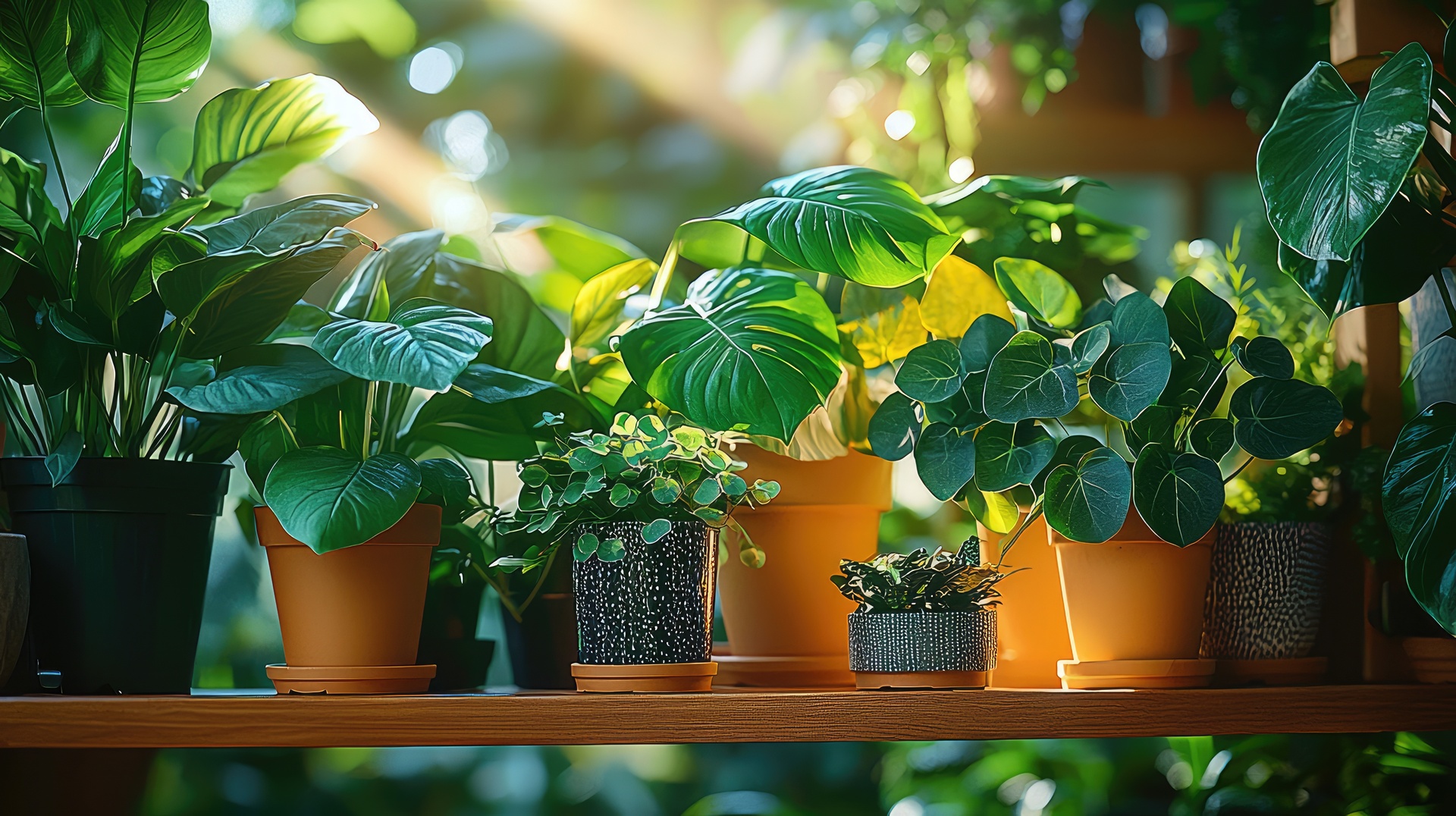
A look at our healthy greenhouse stock at Frond and Fang. Photo by Frond and Fang.
Start with clean, sharp scissors or pruning snips. Skip the dull kitchen scissors if they mash the tissue instead of cutting it. Wipe your blades before you begin. Dead pitcher tissue can hold mold, and spring wounds heal better when the cut stays clean.
Cut fully brown pitchers back to about an inch above the rhizome. That little stub protects the crown from an accidental slip. Work slowly around the plant and pull away loose debris as you go. The goal is simple. Clear out dead growth so light and air can reach the center of the plant.
You will also see phyllodia on some Sarracenia. These are flat leaves instead of upright traps. They often stick around through winter, and they still help the plant photosynthesize. Leave them in place if they are green. Trim only the dead portion if the tip turned brown and the base still looks healthy. A half-green phyllodium still earns its keep.
Check the rhizome once the old growth is out of the way. A healthy rhizome feels firm. The visible tissue near the base usually looks white, pale cream, or faintly pink. Mushy spots are bad news. Black rot is worse. If you spot a soft patch, isolate the problem area fast and keep an eye on the plant. If the rhizome is firm, you are in good shape for spring. If you want a refresher on recovery and warning signs, our guide to carnivorous plants for beginners can help.
Soil deserves a quick look too. Sarracenia do best in an open, nutrient-poor mix. Old peat and perlite break down over time, and tired media turns dense and swampy in the wrong way. If your pot has been sitting in the same mix for more than two years, spring is a good moment to inspect it. Dark sludge on the surface, heavy compaction, or a stubborn green film can all point to a mix that needs replacing. Use a plain carnivorous plant mix with no added fertilizer. Standard potting soil is a fast way to cook the roots.
Spring is also a good time to flush the pot. Water moving through the mix helps wash out mineral buildup near the top. Use rainwater or distilled water and let it run freely through the drainage holes. Think of it as rinsing winter residue out of the root zone. The plant starts the new season with a cleaner setup.
Fresh Sarracenia growth emerging in a bog environment. Photo by Mark Timberlake on Pexels.
After pruning, shift your watering back toward active growth. During dormancy, you want the mix damp. In April 2026, you can let the tray method do more of the work again as light levels rise. Give the pot a shallow reservoir of pure water and keep the mix evenly moist. Sarracenia are bog plants. They want wet feet once they wake up.
Hold off on feeding right away. Fresh pitchers need time to open and harden. Outdoor plants usually catch their own meals once insects start moving again. Indoor growers can wait until the traps are fully formed before offering anything at all. There is no prize for rushing this part.
Keep an eye on new growth as spring moves along. Aphids love tender Sarracenia tissue. Twisted pitchers, stunted buds, or sticky patches can be the first clue. Check close to the crown and inside folded new growth. A firm spray of water often handles a light infestation. Use only products labeled safe for sensitive plants if you need extra help, and keep sprays out of the soil as much as possible.
Care note: This is general guidance for carnivorous plant care. Use only insect-safe practices and avoid fertilizers/“miracle” additives unless they’re specifically labeled safe for carnivorous plants. Standing water and high humidity can increase mold/algae: monitor and adjust as needed. If you have pets/kids, keep plants and any feeder insects out of reach.
This whole job feels dramatic the first time you do it. You cut away a pile of dead tubes, stare at the rhizome, and hope for the best. Then the spring pitchers start pushing up, and the plant looks alive again almost overnight. That is the rhythm of Sarracenia. Winter makes them look finished. Spring proves otherwise.
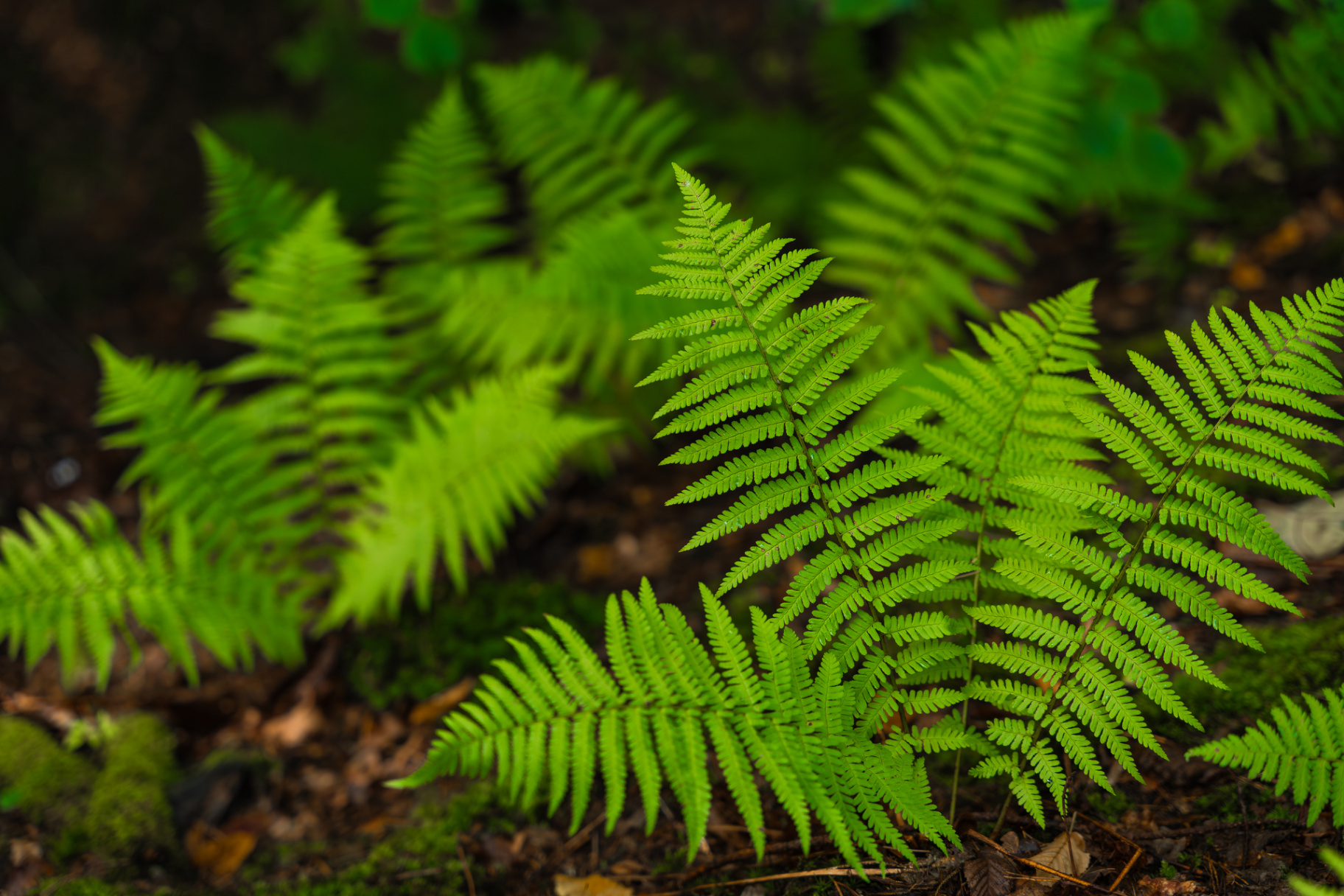
Lush growth in the shop shows the rewards of proper seasonal care. Photo by Frond and Fang.
If your Sarracenia still looks messy in early April 2026, you are not behind. Grab clean snips and start with the dead stuff. Leave the green tissue. Check the rhizome. Flush the pot. Get the tray ready for spring. That simple cleanup gives your plant the best shot at a strong season, and it makes those first fresh pitchers stand out even more. If anything looks off, reach out to us at Frond and Fang. We are always happy to talk carnivorous plants.


