Nepenthes Care in Fall: Why Your Tropical Pitcher Plant Skips the Winter Nap
, by Brian Tant, 9 min reading time
, by Brian Tant, 9 min reading time
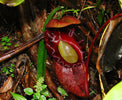
Photo by Dick Culbert via Wikimedia Commons (License: CC BY 2.0). https://creativecommons.org/licenses/by/2.0/. Changes: none.
If your Nepenthes starts making fewer pitchers in fall, resist the urge to tuck it into a chilly corner and call it dormancy. Tropical pitcher plants have different seasonal rules from Venus flytraps and Sarracenia. They may slow down as the days shorten, but they do not need a cold winter nap.
Good nepenthes care in fall means keeping the plant comfortable and adjusting your routine around indoor conditions. Give it steady warmth, bright light, suitable humidity, and careful watering. You are not putting the plant to sleep. You are helping it handle a season with less sunlight and much drier air.
Venus flytraps and many Sarracenia come from temperate regions. Their winter dormancy is part of their natural yearly cycle. Nepenthes come from tropical and subtropical parts of Southeast Asia, where growing conditions do not shift into a deep freeze.
A typical indoor Nepenthes should stay active year-round. It might grow more slowly in fall and winter, especially if it receives less light, but chilling it for several weeks can cause serious stress. A cold windowsill is not the same thing as a healthy seasonal rest.
That distinction matters for anyone learning carnivorous plant care. The label “carnivorous plant” describes how a plant gets extra nutrients. It does not mean every species wants the same temperature, water, or winter routine.
Keep most Nepenthes above roughly 55°F at night, especially if you are still learning the plant’s identity and growing preferences. Move outdoor plants indoors before cold nights arrive. A brief cool spell may not cause immediate damage, but repeated exposure to temperatures in the 40s can slow growth and damage leaves, roots, and developing pitchers.
Your plant notices fall even when your home stays warm. Daylight becomes shorter. Sunlight through a window loses intensity. Heating systems begin drying the air. Glass can become surprisingly cold at night, even when the room itself feels comfortable.
Those changes often show up as slower pitcher production. A tendril may form but fail to inflate. A new leaf may take longer to open. The plant can look perfectly healthy while simply moving at a slower pace.
Start by checking light. Bright, filtered light is ideal, though a little gentle morning or late-afternoon sun can help. A bright east window often works well. South or west windows may need a sheer curtain if the leaves receive harsh direct sun through glass.
A grow light can make fall care much easier. Set it above the plant and provide roughly 10 to 14 hours of light each day. Keep the light close enough to support sturdy growth, but follow the fixture’s distance recommendations so the leaves do not scorch. If the leaves stretch toward the window and new pitchers disappear, low light is a more likely culprit than a sudden need for dormancy.
Rotate the pot every week or two if the plant leans toward one direction. Nepenthes are natural climbers, so a little leaning is not a crisis. A dramatic stretch toward weak light is a sign to make an adjustment.
Heating season can turn a comfortable room into a desert for a tropical pitcher plant. Nepenthes often grow best when humidity stays around 60% to 80%, though many adaptable hybrids can manage lower levels if the light, water, and temperature remain consistent.
A hygrometer gives you useful information. Guessing by feel is difficult, and a room that feels comfortable to you may still be dry enough to stop pitcher production.
Group plants together to create a slightly more humid pocket. A cool-mist humidifier can help, especially in a dry bedroom or office. Leave space around the plants so air can move. Still, damp air without circulation can invite mold and algae.
A pebble tray may add a small amount of local humidity. Keep the water below the pot base, and never let the container sit directly in standing water. The tray should humidify the nearby air, not turn the Nepenthes pot into a tiny bog.
Misting does not replace a stable humidity setup. The moisture disappears quickly, and frequent wet leaves can encourage spotting or fungal problems. Put your effort into room humidity, airflow, and consistent care. Your plant will appreciate the boring reliability.
Nepenthes prefer an airy, moisture-retentive growing medium. Keep the mix evenly moist, but do not keep it saturated. The goal is closer to a wrung-out sponge than a glass of water.
Fall often reduces water use because growth slows and evaporation drops. Check the pot before watering instead of following the same summer schedule. If the top of the medium is beginning to feel less damp, water thoroughly and let excess drain away.
Do not allow the plant to dry out completely. Nepenthes roots are sensitive to both mineral buildup and extreme swings between dry and soggy conditions. Use distilled water, rainwater, or reverse-osmosis water whenever possible. Hard tap water can leave minerals behind and damage the roots over time.
Avoid the long-term tray method used for many Venus flytraps and Sarracenia. Nepenthes do not need to sit in water. Standing water around the pot can reduce airflow through the medium and keep the roots wetter than they need to be.
Care note: This is general guidance for carnivorous plant care. Use only insect-safe practices and avoid fertilizers/“miracle” additives unless they’re specifically labeled safe for carnivorous plants. Standing water and high humidity can increase mold/algae, so monitor and adjust as needed. If you have pets/kids, keep plants and any feeder insects out of reach.
An older lower leaf may turn yellow, then brown, as the plant shifts energy toward newer growth. An old pitcher can also dry from the top down after several months. This is normal plant housekeeping, not an automatic emergency.
Wait until a leaf or pitcher is fully brown before trimming it. Use clean scissors and leave green tissue alone. Nepenthes can look a little untidy while they grow, especially during a slower season.
Look more closely if several leaves turn brown in quick succession, the newest growth collapses, or the stem becomes soft. Those signs can point to cold damage, root trouble, poor water quality, or a major watering problem. Check the potting mix, inspect the growing point, and move the plant away from a cold window if needed.
A single old leaf is a note in the margin. A whole cluster of failing leaves deserves your attention.
Nepenthes catch insects in their pitchers, but feeding is not the main driver of healthy growth. Light, water quality, temperature, and humidity matter more.
If your plant continues producing fresh pitchers, you can offer one small insect to an open pitcher every few weeks. Choose prey that fits comfortably inside the pitcher. A tiny insect is plenty. You do not need to fill every pitcher, and you should never pack one with food.
Reduce feeding when the plant slows down or stops making new pitchers. Old pitchers are less useful for feeding, and uneaten insects can decay inside them. Let the plant focus on maintaining its leaves and roots.
Skip regular houseplant fertilizer. Nepenthes naturally grow in nutrient-poor conditions, and fertilizer poured into the growing medium can damage the roots. A plant that looks hungry usually needs better light or more stable conditions, not a stronger meal.
Not every Nepenthes has the same temperature preference. Highland species grow in mountain habitats with warm days and cooler nights. They can appreciate a noticeable nighttime drop, often into the 50s, as long as the change is gradual and the plant stays above its safe minimum.
A highland Nepenthes may benefit from a cool room, a well-ventilated terrarium, or a naturally cooler fall night. That does not mean placing it outside during freezing weather or next to an open window during a hard cold snap.
Lowland species usually prefer warmer nights and more stable heat. Intermediate hybrids often tolerate a wider range. If you know the species or hybrid name, look up its temperature group before making seasonal changes. When the label is missing, choose steady moderate warmth rather than guessing.
The Nepenthes rajah pictured above is a highland species from Mount Kinabalu. Its natural habitat helps explain why some Nepenthes enjoy cool nights while others do not. The genus includes plants from several climate zones, so “tropical pitcher plant” is useful shorthand, not a complete care sheet.

Image: Wikimedia Commons (Public Domain).
Nepenthes can be a rewarding choice for carnivorous plants for beginners when you understand their basic rhythm. They do not need the same fall routine as a Venus flytrap. Sundews vary by species, and some need seasonal changes of their own. Ferns and moss follow different moisture and light routines, too.
If your plant collection includes several types, avoid giving every pot the same treatment. A Venus flytrap or other carnivorous plant may need a different winter plan from a Nepenthes. A sundew may want consistently moist conditions and strong light, while an indoor fern has its own humidity preferences.
Fall Nepenthes care is mostly about resisting dramatic changes. Keep the plant warm enough for its type, make up for lost daylight, protect it from dry heated air, and water with a light hand. Fewer pitchers during the darker months do not mean you have failed. Give the plant steady conditions, and new growth can return when the environment improves.


