
Maidenhair Ferns Don't Have a Death Wish: The Self-Watering Secret to Success
, by Brian Tant, 8 min reading time
, by Brian Tant, 8 min reading time
If you've ever scrolled through plant care forums or casually mentioned to a plant-loving friend that you're thinking about getting a maidenhair fern, you've probably been met with wide eyes and a dramatic warning: "Oh, those are impossible." They've earned a reputation as the drama queens of the fern world, temperamental, finicky, and destined to brown out the moment you look at them wrong.
Here's the thing, though: maidenhair ferns (Adiantum species) don't actually have a death wish. They're not sitting in your living room plotting their own demise. The problem isn't that they're complex or high-maintenance in some mysterious, unknowable way. The problem is actually refreshingly simple: they hate, and I mean hate, to dry out.
That's it. That's the secret. Once you crack the moisture code, these delicate-looking beauties become surprisingly manageable. And the best part? There's a stupidly simple solution that takes the daily guesswork completely out of the equation: self-watering pots.
Let's talk about why maidenhair ferns fail in the first place, because understanding the problem makes the solution feel less like magic and more like common sense.
Most people kill their maidenhair ferns through dehydration, not complexity. You water it, it looks great for a few days, then you get busy with life. Maybe you forget to check the soil for a day or two. Maybe you're traveling for the weekend. By the time you remember, the delicate fronds have crisped up like autumn leaves, and you're standing there wondering what you did wrong.

Here's the kicker: overwatering a maidenhair fern is actually really difficult. Unlike many houseplants that throw a fit if their roots sit in soggy soil, maidenhairs are surprisingly forgiving when it comes to moisture. They evolved in environments where their roots stay consistently damp, think forest floors near streams, shaded grottos with high humidity, places where "dry" just isn't part of the vocabulary.
The moment the top layer of soil starts to dry, your maidenhair is already stressed. By the time the soil is actually dry an inch down (the classic houseplant watering test), your fern is basically on life support. This is why they get labeled as "difficult", because the margin for error is razor-thin, and our busy human lives don't always sync up with a plant that needs checking multiple times a week.
Self-watering pots aren't new, but they're criminally underused for ferns. If you're picturing some complicated contraption with pumps and timers, relax, it's way simpler than that. We're talking about basic physics here, specifically something called capillary action.
Think about how a paper towel soaks up spilled coffee. The liquid travels up through the fibers against gravity because of the way water molecules interact with the material. Self-watering pots use this same principle with a wick system. There's a water reservoir at the bottom of the pot, completely separate from where your plant sits. A wick, usually made of cotton, nylon, or another absorbent material, extends from the soil down into that reservoir. As the plant uses water from the soil, the soil naturally wicks more water up from the reservoir to replace it.
The genius is in the consistency. Your maidenhair gets exactly the amount of water it needs, exactly when it needs it, without you having to monitor it like a helicopter parent. The soil stays consistently moist (not waterlogged, not soggy, just evenly damp, like a wrung-out sponge) without any effort on your part beyond refilling the reservoir every week or two.
Here's where people sometimes stumble: not all self-watering setups are created equal, and how you set yours up makes all the difference between thriving fronds and crispy disappointment.
First, ditch the dense potting soil. Maidenhairs need a light, fluffy potting mix that allows oxygen to reach the roots while still holding moisture. Think something peat-based or coco coir-based with plenty of perlite mixed in. The fluffiness matters because even though these plants love moisture, their roots still need to breathe. Dense, compacted soil can stay wet while simultaneously suffocating the roots, not the vibe we're going for.

When you set up the pot, make sure the plant's root ball sits above the water reservoir. This is crucial. Only the wick should be in contact with the water, not the pot itself. Many self-watering planters come with a platform or insert that keeps the inner pot elevated, use it. The capillary action does all the work; you don't need the pot sitting directly in water.
Most self-watering containers have a gauge or window that shows you the water level. Keep that level between the minimum and maximum marks at all times. When it dips toward empty, top it off through the fill tube (usually built into the side of the pot). And here's a critical tip that seems counterintuitive: once your self-watering system is established and working, stop watering from the top. Add water only to the reservoir. Top-watering in addition to the reservoir can actually lead to overwatering, which is one of the few ways you can harm a maidenhair. Let the system do its thing.
While we're solving the watering drama, let's address the other half of the maidenhair equation: humidity. These ferns come from environments where the air is thick with moisture. Your average indoor space in 2026, with central heating, air conditioning, and all the modern comforts, is basically a desert to a maidenhair fern.
The beautiful thing about consistent soil moisture from a self-watering system is that it creates a slightly more humid microclimate around the plant through evaporation. It's not enough on its own if you're in a particularly dry climate or during winter when indoor heating sucks every bit of moisture from the air, but it helps.
Grouping plants together amplifies this effect. Multiple plants transpiring and evaporating moisture in the same area create their own little humid ecosystem. This is where our Desk Sanctuary bundles actually shine, not just as aesthetic desk décor, but as functional humidity hubs. When you cluster a few ferns and moisture-loving plants together, they essentially help each other out.
If your home is particularly dry (we're talking under 40% humidity), you might still need to supplement with a small humidifier nearby or a pebble tray under the pot. But the self-watering setup dramatically reduces how much you need to fuss with these additional measures.
When your maidenhair is happy, you'll know. The fronds stay vibrant green and delicate-looking, with that distinctive fan-shaped leaflet pattern that makes them so appealing in the first place. New growth appears regularly: tender, bright green fiddles unfurling from the center of the plant. The older fronds might eventually yellow and die back (that's natural aging, not failure), but they're constantly replaced by fresh growth.
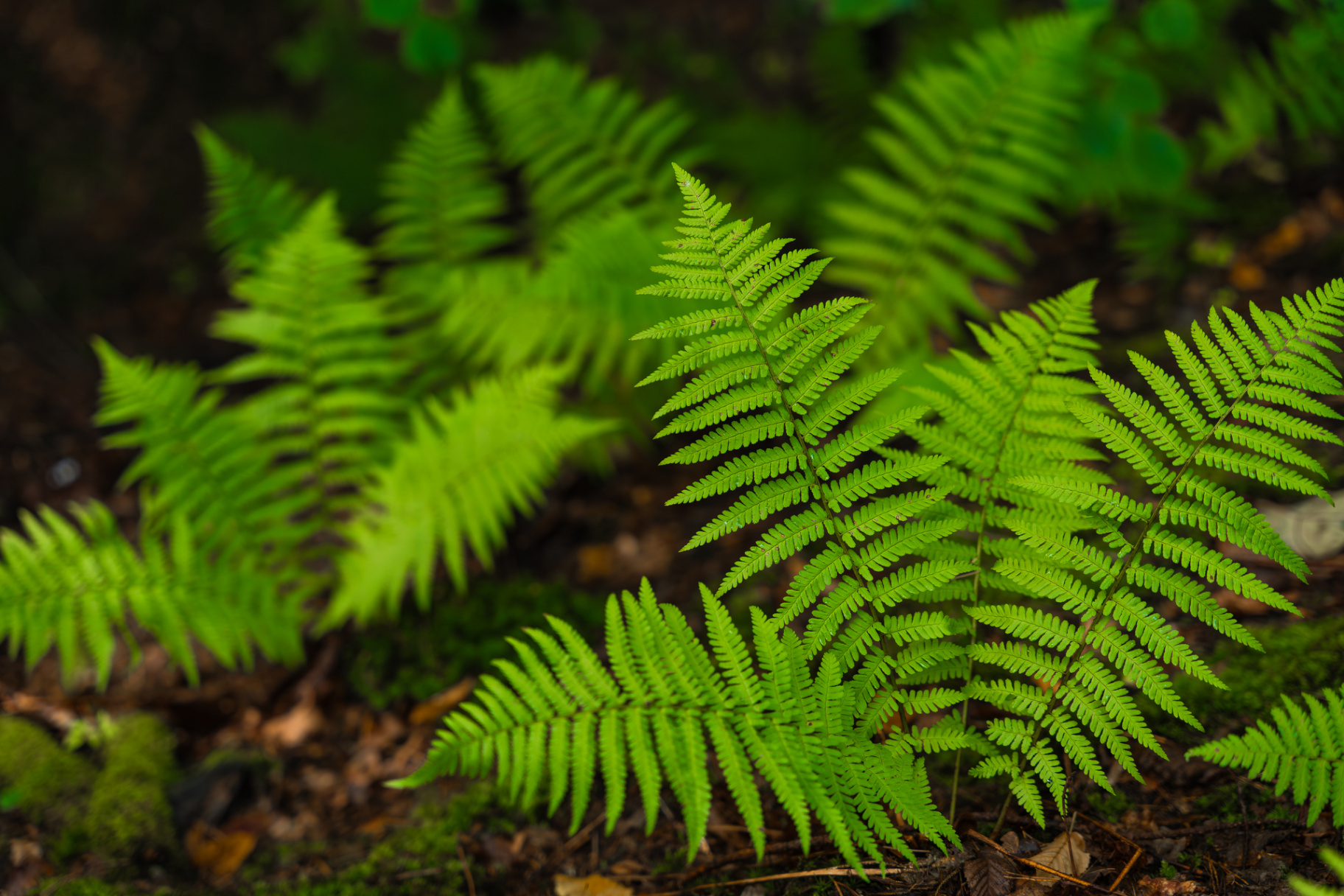
A thriving maidenhair in a self-watering setup basically maintains itself. You check the reservoir once a week, maybe twice if it's particularly warm or the plant is growing actively. You trim off any completely dead fronds to keep it tidy. That's it. No daily soil-poking, no anxiety about whether you watered too much or too little, no coming home from vacation to a crispy brown mess.
The reputation these ferns have for being difficult is really about their unforgiving need for consistent moisture meeting our inconsistent human schedules. We get busy. We travel. We forget. And maidenhairs don't have the built-in drought tolerance of a succulent or the forgiveness of a pothos.
Self-watering pots bridge that gap. They're not cheating: they're just automating the one thing that matters most to these plants in a way that actually mimics their natural environment better than traditional watering ever could. Consistent moisture, delivered passively through capillary action, without flooding the roots or creating standing water issues.
If you've been intimidated by maidenhair ferns or you've killed one before (no judgment: we've all been there), consider this your permission to try again with a better setup. These plants aren't inherently difficult. They just need what they need, and once you provide that consistently, they're actually pretty chill.
Looking for the best ferns for indoors that won't make you neurotic about watering schedules? Maidenhairs in self-watering pots are genuinely a game-changer. Check out our fern collection to find varieties that'll thrive in your space with way less drama than their reputation suggests.
Your maidenhair doesn't have a death wish. It just has standards. Meet those standards with a self-watering setup, and you'll finally understand why people fall in love with these delicate, ethereal plants despite all the warnings.


