
How to Choose the Best Ferns for Indoors (Compared)
, by Brian Tant, 8 min reading time
, by Brian Tant, 8 min reading time
Deep in the heart of 2026, the indoor garden aesthetic has shifted from the sterile minimalism of the past toward something much more primal. We are calling it the Bog Dweller vibe. It is a mood defined by dappled shadows, heavy humidity, and the ancient, feathery silhouettes of plants that have existed since the time of the dinosaurs. Ferns are the undisputed kings of this aesthetic. They do not just occupy a corner of your living room; they transform it into a damp, quiet sanctuary. Choosing the right fern is about more than just picking a green plant off a shelf. It is about matching your personal level of dedication to the specific needs of these prehistoric beauties. Some ferns are generous and forgiving, while others will drop their leaves the moment you look at them with an empty watering can. Understanding the differences between the major varieties ensures that your home stays a thriving oasis rather than a collection of dried, brown sticks.
The Maidenhair fern is arguably the most beautiful plant you will ever struggle to keep alive. With its dark, wiry stems and fan-shaped leaflets that look like green lace, it embodies the fragile grace of a forest floor. If you are looking for the Lisa Maidenhair Fern, you are looking for a plant that demands your undivided attention. It does not tolerate mistakes. This fern is the ultimate test for the committed Bog Dweller. It thrives in high humidity and consistent moisture, making it the perfect candidate for a bathroom windowsill where the steam from your shower can mimic the mist of a tropical glen.
Image: Unsplash (CC0/Public Domain).
The soil in a Maidenhair pot must stay evenly damp at all times. If the soil dries out even once, the delicate fronds will shrivel into crispy husks almost instantly. You might feel tempted to cut your losses when this happens, but there is hope. Cutting the dead fronds back to the soil level and maintaining high humidity can sometimes trigger new growth from the rhizomes. These plants are the dramatic actors of the botanical world, always ready for a tragic exit but capable of a stunning comeback if the conditions are right. They hate direct sunlight, which can scorch their thin leaves in a matter of hours. Bright, indirect light is the only way to keep them happy.
If the Maidenhair is a fragile poem, the Boston fern is a bold, sprawling epic. It is the classic choice for hanging baskets and pedestals because of its long, arching fronds that spill over the sides of the container. The Gold Boston Fern offers a slightly different take on this traditional look, bringing a brighter, more vibrant green to the table. These ferns are much more robust than their Maidenhair cousins, but they still require a steady hand when it comes to care. They are the quintessential porch plants in the summer and the perfect indoor mood-setters in the winter.
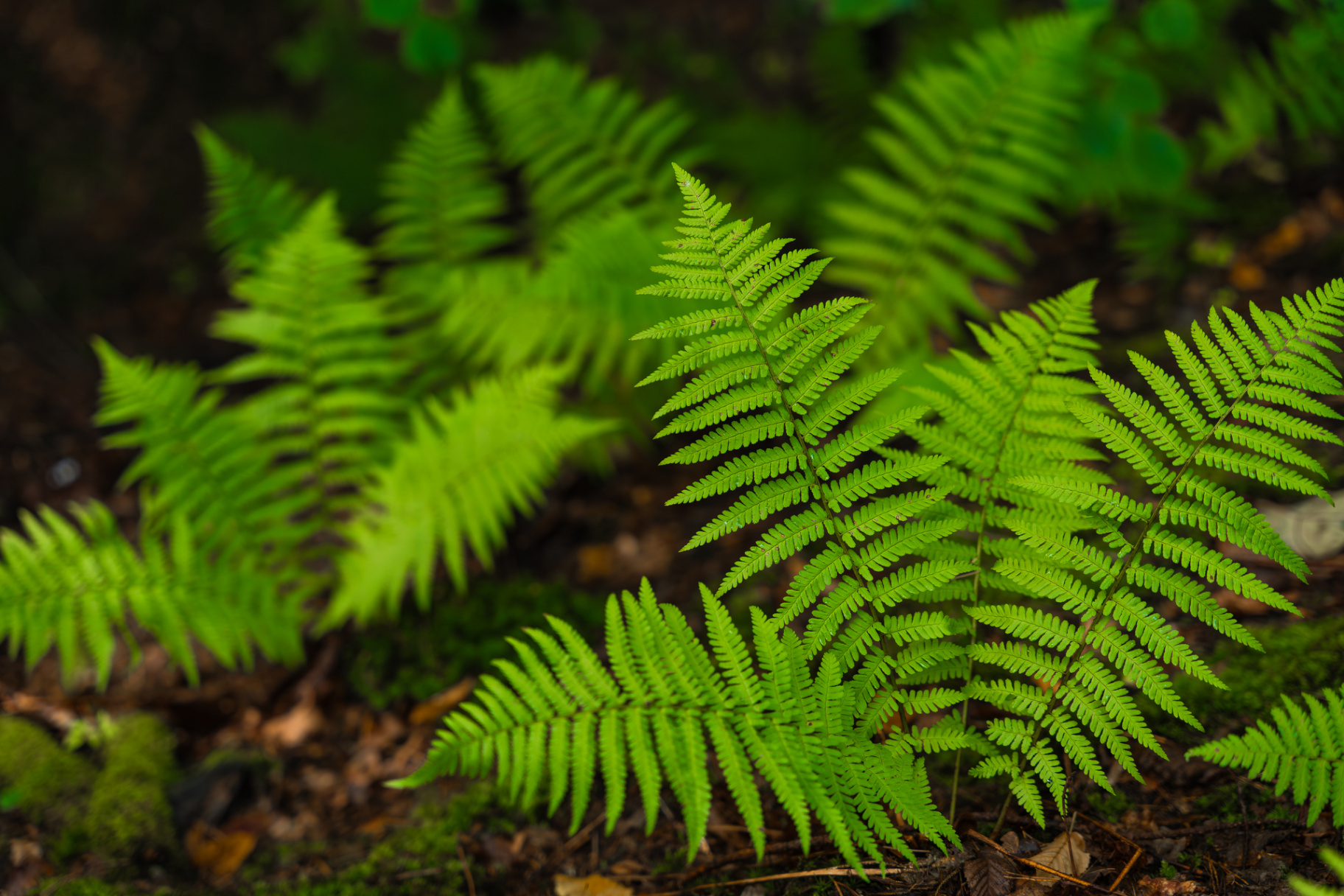
Boston ferns are particularly sensitive to dry air. When the humidity drops in a heated home during the winter of 2026, these plants often start shedding their tiny leaflets, leaving a mess on your floor. You can combat this by placing them in a room with a humidifier or by giving them a frequent misting. They also dislike being moved around. Once you find a spot where your Boston fern is happy, leave it there. They appreciate a consistent environment and will reward you with massive, bushy growth that can eventually take over an entire corner of your room. Keeping the soil moist is important, but they can handle a slight drying of the top inch of soil better than most other ferns.
For those who love the idea of a fern but lack the time for daily misting, the Bird's Nest fern is the ideal companion. It looks significantly different from the feathery varieties most people imagine. The Birdsnest Fern grows in a rosette of broad, leathery fronds that often have rippled or wavy edges. It gets its name from the center of the plant, which looks like a small, fuzzy bird's nest where new fronds emerge. This structure makes it an architectural centerpiece that fits well in modern or moody interiors.

This variety is much more forgiving of lower light levels and occasional forgetfulness with the watering can. The thick leaves hold moisture better than the thin leaflets of a Boston or Maidenhair. You should still aim to keep the soil moist, but the plant will not collapse if the top of the soil dries out. One unique care requirement for the Bird's Nest fern is to avoid watering directly into the center of the "nest." Water trapped in the crown can lead to rot, which will quickly kill the plant from the inside out. Always pour water onto the soil at the base of the leaves instead. It is a slow grower, but its sturdy nature makes it one of the most rewarding long-term residents for your indoor bog.
The Staghorn fern is a true outlier in the fern world. In nature, these plants are epiphytes, meaning they grow on the sides of trees rather than in the ground. They have two types of fronds: the flat, shield-like fronds at the base that protect the roots and the long, antler-like fronds that give the plant its name. Because of this growth habit, they are often sold mounted on wooden boards or in wire baskets filled with sphagnum moss. They represent the artistic side of the Bog Dweller lifestyle, turning a plain wall into a living, breathing sculpture.
Image: Unsplash (CC0/Public Domain).
Caring for a mounted Staghorn fern requires a different approach than a potted plant. Instead of pouring water into a pot, you usually need to take the entire mount to the sink and soak the moss and shield fronds in water for ten or fifteen minutes. Once it has drained, you can hang it back on the wall. They love bright, indirect light and high humidity. If your home is particularly dry, the antler fronds may start to turn brown at the tips. They are surprisingly tough once you get the hang of their soaking routine. They add a vertical dimension to your plant collection that traditional pots simply cannot match.
Successful fern ownership comes down to three pillars: light, humidity, and water. Most people assume that because ferns grow in the forest, they want to be in total darkness. This is a common mistake that leads to leggy, weak plants. Ferns need bright, indirect light to thrive. Think of the light that filters through the canopy of a tree. It is bright enough to read a book by, but it never shines directly onto the leaves. A north-facing window or a spot a few feet back from an east-facing window is usually the sweet spot for most species.
Humidity is the secret sauce for any thriving indoor garden in 2026. Ferns breathe through their leaves, and if the air is too dry, they lose moisture faster than their roots can replace it. Misting is a popular hobby, but it only raises the humidity for a few minutes. A more effective method is to use a pebble tray. Fill a shallow tray with stones and water, then set your fern pot on top of the stones. Make sure the bottom of the pot is not actually touching the water, as this can lead to root rot. As the water evaporates, it creates a small microclimate of humid air around the plant.
Watering is where most plant parents go wrong. Ferns do not like to sit in stagnant water, but they also hate to be bone dry. The finger test is your best tool. Stick your finger an inch into the soil. If it feels dry, it is time to water. If it feels damp, wait a day or two. When you do water, do it thoroughly until water runs out of the drainage holes at the bottom of the pot. Always use pots with drainage holes. Without them, water collects at the bottom and drowns the roots, which is a one-way ticket to a dead plant.
Care note: This guide is for general plant care. Conditions vary by home and season. If you have pets/kids with sensitivities, use extra caution and place plants out of reach. Avoid chemicals or fertilizers unless you’re sure they’re carnivorous-plant safe.
Creating a moody indoor garden with ferns is a journey into a slower, more deliberate way of living. Whether you choose the resilient Bird's Nest or the high-maintenance Maidenhair, you are bringing a piece of ancient history into your home. These plants require patience and attention, but the reward is a living space that feels alive, fresh, and deeply connected to the natural world. Take the time to observe how your ferns react to your home, and they will tell you exactly what they need to thrive.


