
Building a Summer Terrarium with Ferns, Moss, and Carnivorous Species
, by Brian Tant, 5 min reading time
, by Brian Tant, 5 min reading time
Summer brings a relentless surge of warmth and bright daylight that transforms indoor spaces into thriving jungles. Creating a sealed or semi-closed glass vessel filled with greenery offers a wonderful way to capture that vibrant energy without risking outdoor pests or unpredictable weather. Combining ferns, moss, and carnivorous species inside a single terrarium might sound tricky due to their seemingly conflicting requirements. Yet bringing these contrasting plants together creates a balanced ecosystem that thrives under the right conditions. You get the delicate fronds of shade lovers alongside the striking traps of bog dwellers, all sharing a single miniature landscape.
Success starts with choosing species that can tolerate similar moisture levels while maintaining their unique habits. Ferns provide lush, cascading foliage that fills the upper and middle layers of your glass container with soft textures. You might look at charming selections like the Lisa Maidenhair Fern or the textured Rabbits Foot Fern for your canopy framework. These humidity-loving plants anchor the background while diffusing harsh light.
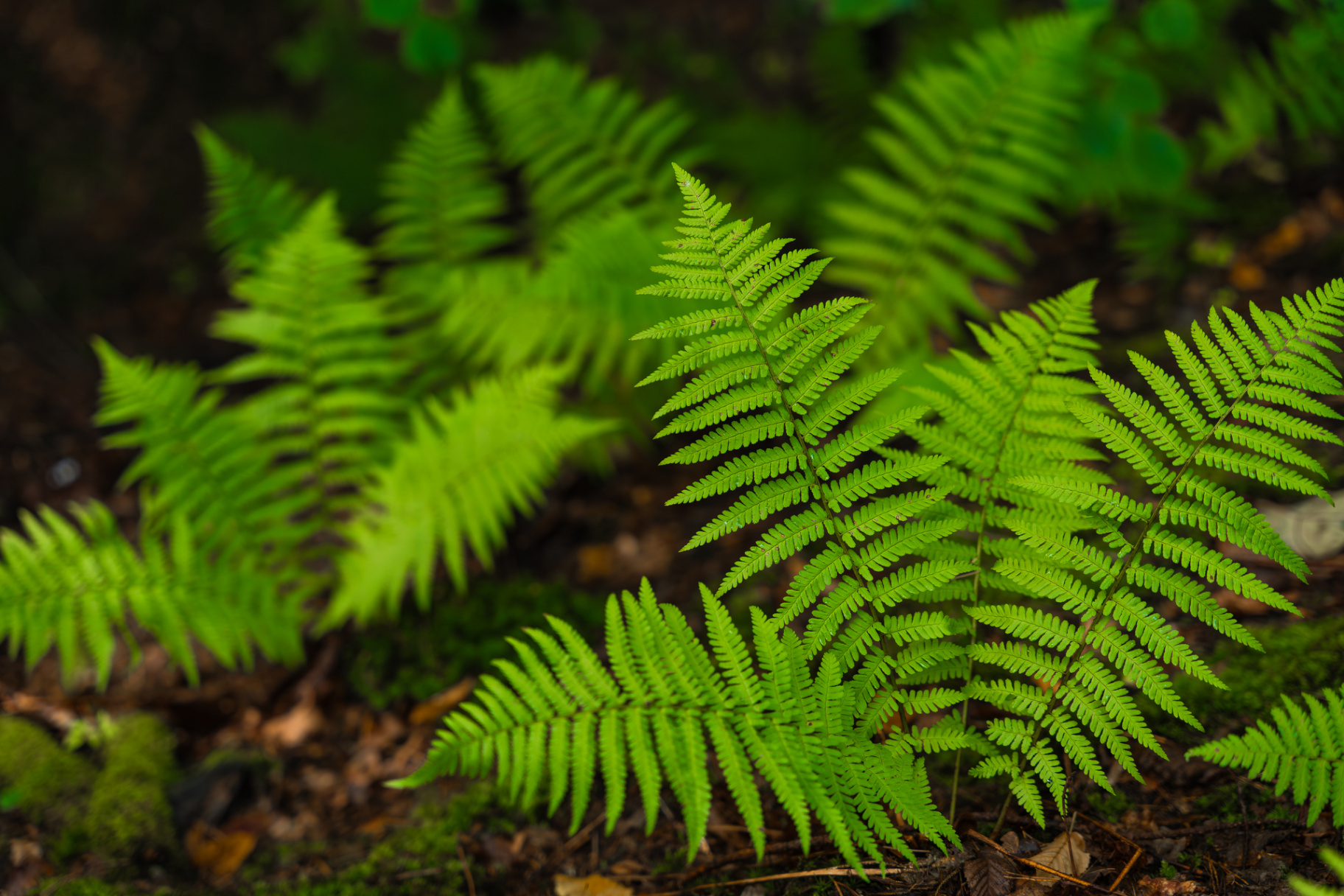
Beneath the fern canopy, velvety moss blankets the soil surface to create a living green carpet that holds moisture and stabilizes the ground. Living moss adds an immediate sense of age and wonder, making your fresh glass container look like a forgotten forest floor. To complete your trio, carnivorous plants introduce dynamic movement and fascinating traps that contrast sharply with soft fronds. While Venus flytrap care gets plenty of attention, you can also include dainty sundews or miniature tropical pitcher plants that adapt wonderfully to enclosed, humid spaces.

Bridging the gap between nutrient-hungry ferns and nutrient-sensitive carnivorous plants requires a clever substrate strategy. Carnivorous species despise rich soils and chemical fertilizers because their natural bogs offer virtually nothing in the way of standard plant nutrients. They rely on poor, acidic media composed primarily of peat moss, sphagnum, and coarse sand. Fortunately, many small ferns and mosses tolerate low-nutrient, acidic mixes remarkably well, especially when moisture is consistent.
You can construct a shared substrate by blending two parts peat moss or milled sphagnum with one part coarse horticultural sand. Avoid standard potting mixes or anything containing added plant food, as these will quickly damage delicate carnivorous roots. Beneath this soil mix, lay down a solid drainage layer consisting of small lava rocks, pumice, or expanded clay pellets. This bottom layer prevents waterlogging during heavy summer watering sessions and keeps the roots from sitting in stagnant pools.

Setting up your glass vessel requires patience and a steady hand, especially when reaching through a narrow opening. Begin by washing your container thoroughly with warm water, making sure to rinse away every trace of soap residue that could harm sensitive microbes. Pour in your lava rock drainage layer so it occupies roughly ten percent of the total container height. Add a thin mesh or a layer of dry sphagnum directly over the rocks to keep the soil from washing down into the drainage basin.
Sprinkle a light dusting of activated charcoal across the sphagnum layer to keep the interior fresh and prevent musty odors during humid summer months. Spoon your custom peat and sand mixture on top of the charcoal, shaping gentle slopes and hills to create visual depth. Plant your taller ferns near the back or center of the container so they command the background without blocking light. Position your carnivorous rosettes closer to the front where they receive optimal illumination and plenty of visibility.

Summer sun can turn a glass container into an unintended oven within minutes, making careful placement your top priority. Keep your terrarium in bright, indirect light rather than placing it directly on a sunny windowsill where glass magnification can scorch leaves. An east or north facing room provides the gentle ambient brightness these plants crave without the risk of overheating.
Hydration requires pure water such as distilled, reverse osmosis, or collected rainwater, since tap water contains dissolved minerals that build up and poison carnivorous roots. Mist the interior lightly after planting, then seal the top with a glass lid or clear wrap while leaving a tiny gap for ventilation. This minor opening prevents excessive condensation and keeps fresh air moving across the foliage. Check your ecosystem weekly during the warm months to ensure the substrate stays evenly damp without becoming waterlogged.

Maintaining a multi-species terrarium becomes second nature once you establish a reliable rhythm of observation and minor adjustments. Trim away any fading fronds or old leaves promptly to discourage fungal growth and keep your miniature landscape looking pristine. Watching your ferns unfurl new fronds while your carnivorous plants catch stray gnats brings a rewarding sense of accomplishment all summer long. Take your time, enjoy the process, and watch your self-sustaining botanical world come alive.
Care note: This is general guidance for carnivorous plant care. Use only insect-safe practices and avoid fertilizers/“miracle” additives unless they’re specifically labeled safe for carnivorous plants. Standing water and high humidity can increase mold/algae: monitor and adjust as needed. If you have pets/kids, keep plants and any feeder insects out of reach.


