
Your Quick-Start Guide to Spring Venus Flytrap Care: Do This First
, by Brian Tant, 7 min reading time
, by Brian Tant, 7 min reading time
If you’re here, you already know that keeping a Venus flytrap isn’t just about owning a plant; it’s about hosting a tiny, prehistoric guest in your home. There is something undeniably cool about a plant that fights back against the local fly population. Now that it is March 9, 2026, we are officially shaking off the winter chills and looking toward the bright, buggy days of spring. If your flytrap has been looking a little sad, small, or sluggish over the last few months, don't panic. It has likely just been in dormancy, the plant version of a long winter nap. But the sun is out, the days are getting longer, and it is time to wake up your green little monster.
At Frond and Fang, we believe that bringing exotic nature into your living room shouldn't require a PhD in botany. Our mission has always been to make these incredible species accessible to everyone, whether you are a seasoned collector or just starting your journey into the world of carnivorous plants. Helping your Venus flytrap transition from its winter slumber into a vigorous growing season is a great way to build your confidence as a plant parent. It is mostly about getting back to the basics and making a few easy-peasy adjustments to their environment.
The very first thing you need to address is the hydration situation. During the winter, you probably cut back on watering to prevent the rhizome from rotting while the plant wasn't doing much. Now that the light levels are increasing, your flytrap is going to get thirsty. It is time to resume the tray method, which is the gold standard for most bog-dwelling species. You simply place your pot in a shallow tray filled with about a centimeter of water. This allows the soil to wick up moisture from the bottom, keeping the roots happy without drowning the crown of the plant.
It is vital to remember that these plants are extremely sensitive to the stuff coming out of your kitchen faucet. Tap water is usually loaded with minerals like calcium and sodium that will eventually "burn" the sensitive roots of a Venus flytrap. You should always use distilled water, rainwater, or reverse-osmosis water. Think of it like this: your flytrap is a high-performance athlete that only drinks the purest stuff. If you keep the soil feeling like a wrung-out sponge, damp but not a literal swamp, you are off to a perfect start.

Once you have the water flowing, you should take a good look at the soil. Early spring is the absolute best time to consider repoting. If your plant has been in the same peat-and-perlite mix for more than a year or two, the media might be starting to break down and become too acidic or compacted. Fresh carnivorous plant soil provides the aeration those roots need to stretch out. When you pull the plant out of its old home, you’ll see the rhizome, the white, bulb-like part at the base. As long as that is firm and white, your plant is healthy and ready for a growth spurt. If you happened to store your flytraps in a refrigerator for dormancy, now is the time to tuck them back into some fresh moss or peat and get them into the light.
Speaking of light, this is the most important ingredient for those iconic red traps. During dormancy, your plant might have lived in a cool garage or a dim windowsill, but that won't cut it for the 2026 growing season. Venus flytraps are sun-worshippers. They need about four to six hours of direct sunlight every single day to thrive. If you are growing them indoors, a south-facing window is usually your best bet. Without enough light, the new traps will grow in skinny, weak, and green. If you see them starting to turn a beautiful, deep red inside the "mouths," you know you’re giving them exactly what they crave.
As you move your plant back into a warmer, brighter spot, you might notice something surprising: a long, thin stalk growing straight up from the center, ending in a cluster of small white flower buds. This is the plant's way of celebrating spring. However, producing flowers takes an enormous amount of energy. If your flytrap is still small or looks a little weak from the winter, many growers recommend snipping that flower stalk off as soon as you see it. This tells the plant to put all its energy into making bigger, faster traps instead of seeds. Of course, if you want to see the flowers and your plant is a beast like the Venus Flytrap B52, feel free to let it bloom.
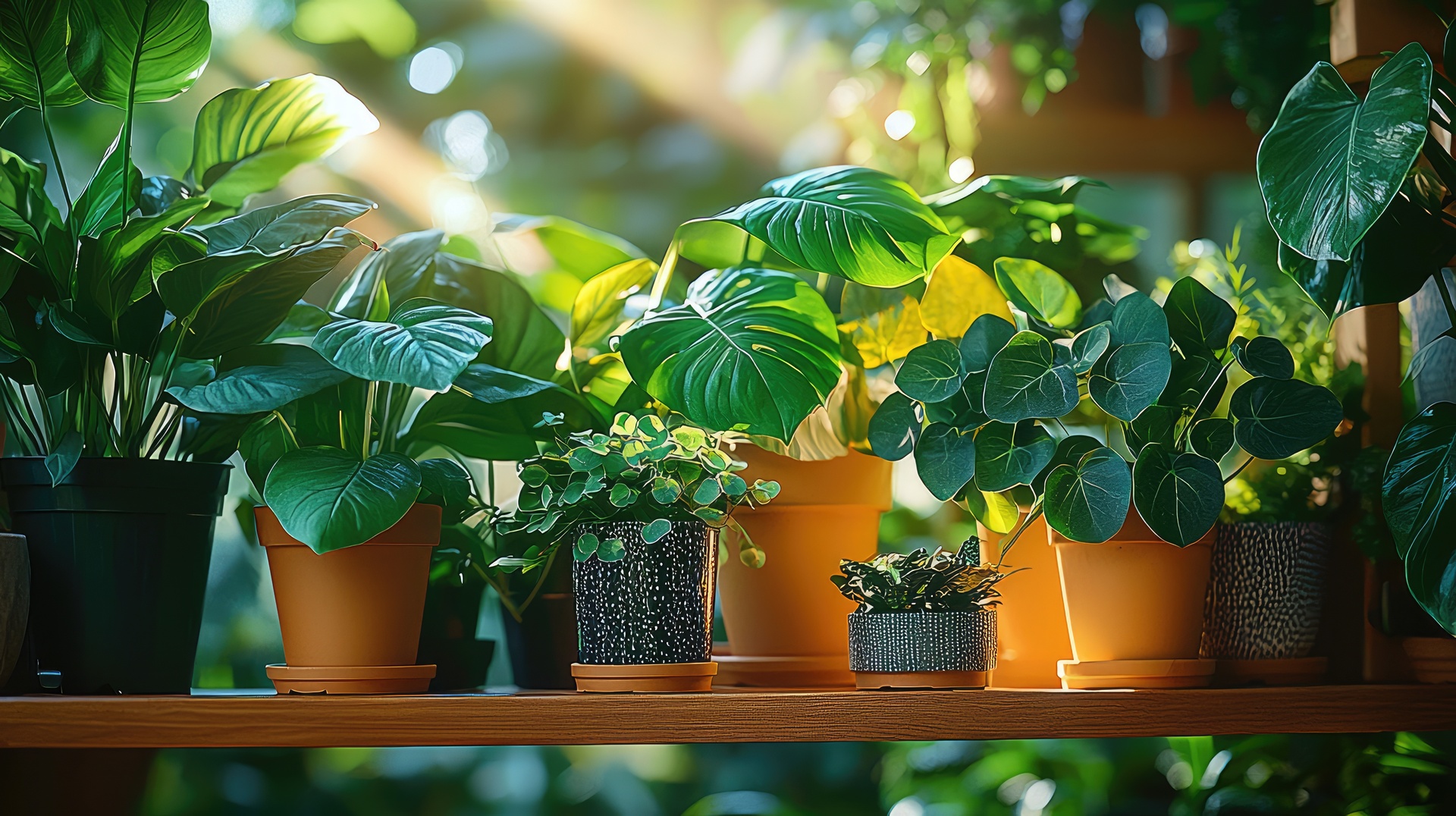
Now, let's talk about the fun part, feeding. It is tempting to start tossing bugs into the traps the second you see a new leaf, but try to be a little patient. Wait until the plant has produced a few fully formed, functional traps before you offer it a snack. And remember, "feeding" is more like fertilizing for these plants. They don't need to eat every day. One bug per month is usually plenty for a single plant. While it is incredibly satisfying to watch the Venus Flytrap Red Dragon snap shut, don't overdo it. And please, for the love of all things green, don't feed them hamburger meat or cheese. They can't digest human food, and it will just rot the trap. If you can, let the plant catch its own dinner outside or on a sunny porch.
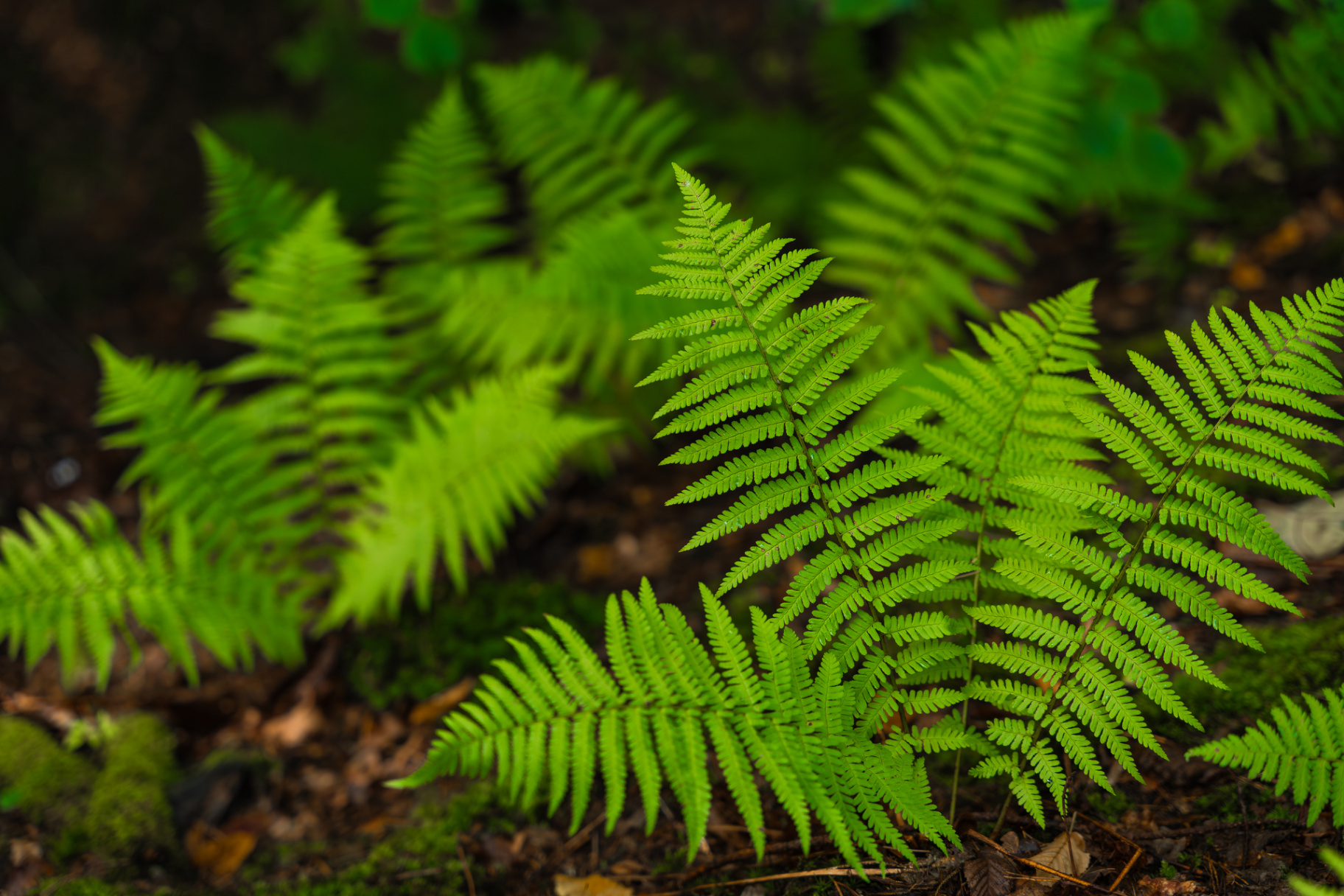
While we love a good VFT, Frond and Fang is all about the variety that makes a collection feel like a true indoor jungle. If you find that the high-light requirements of a flytrap are a bit much for your specific space, you might want to explore our collections of ferns. Plants like the Birdsnest Fern or the Lemon Button Fern are much more forgiving when it comes to light and can live happily in those shadier corners where a flytrap might struggle. They provide that lush, tropical vibe without the need for a direct sunbeam.

If you are really digging the carnivorous vibe but want something that stays active year-round without a big dormancy period, the Cape Sundew is a fantastic companion. They use sticky tentacles to catch gnats and are generally considered the "easy mode" of the carnivorous plant world. Mixing different species: like putting a flytrap next to some vibrant green moss or a delicate fern: creates a beautiful, layered look that mimics a real ecosystem.
Maintaining a Venus flytrap through the spring transition is really a lesson in observation. Watch the new growth. If the traps are coming in fast and the colors are vivid, you are doing everything right. If things look a bit stunted, check your water quality or move the pot a few inches closer to the window. It likely won't kill them if you make a small mistake, but they will certainly let you know if they are unhappy.
By taking these few steps: resuming consistent watering, refreshing the soil, and maximizing sunlight: you are setting your plant up for a spectacular year. The goal is to make these exotic beauties feel right at home in your space. We want everyone to experience the "wow" factor of a snapping trap or the intricate dew of a sundew without feeling overwhelmed by technical jargon or impossible care routines.
As we head further into the 2026 season, keep an eye on your bog garden. Spring is a time of massive change, and before you know it, your flytrap will be the centerpiece of your collection again. If you run into any weird issues or just want to show off your new traps, don't hesitate to reach out. We love seeing how our plants are thriving in their new homes.
Brian, can you take a quick look at this and approve the content so we can get it scheduled? I want to make sure the links to the carnivorous plants collection are working perfectly before this goes live on Thursday. Happy growing, everyone!


